

This story, by Report for America corps member Carly Berlin, was produced through a partnership between VTDigger and Vermont Public.
Facing federal funding cuts, local housing authorities are asking state lawmakers to help fund a key assistance program that helps thousands of Vermonters pay the rent.
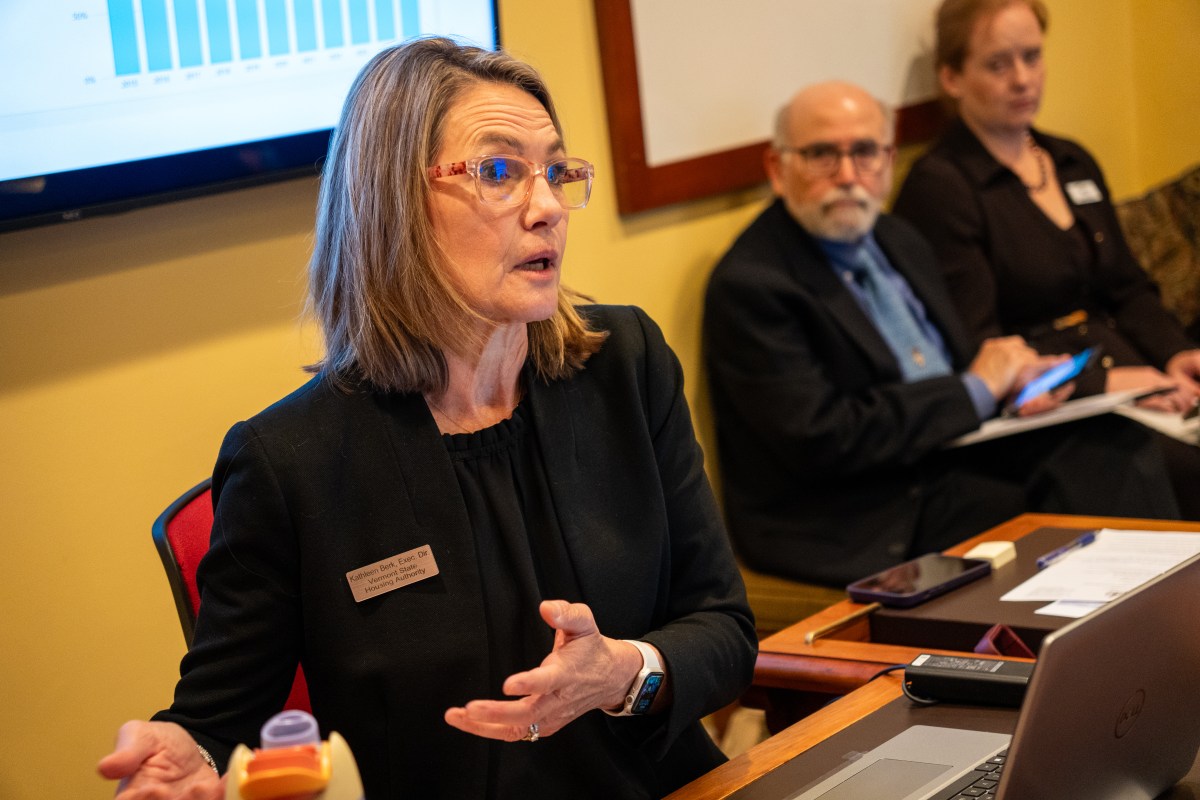
Five of the nine public housing authorities that administer federal Section 8 housing vouchers in Vermont anticipate a budget shortfall totaling over $1 million in December, according to a presentation Kathleen Berk, executive director of the Vermont State Housing Authority, gave to lawmakers on Wednesday.
“Simply put, there’s not enough money in the checkbook to make housing assistance payments for all households that are currently enrolled in the program,” Berk said in a subsequent interview.

The shortfall comes even after the local housing authorities tried to curtail spending. In January, Burlington Housing Authority suspended vouchers from people who were searching for a place to use them and vowed to give tenants who violated the rules fewer second chances before rescinding their rental aid. In May, the Vermont State Housing Authority stopped issuing new vouchers off its lengthy waitlist, effectively shelving vouchers after people gave them up.
Those measures were not enough to get the housing authorities within their budget authority set by Congress, however.
As Vermont faces steep housing costs and persistently high levels of homelessness, federal housing vouchers play a crucial role in sustaining housing for low-income people who can’t afford market-rate rents. Voucher recipients pay a third of their income toward rent; a local agency administering the federal program pays for the rest. The vouchers offer one of the few avenues out of homelessness for the thousands of Vermonters sleeping in shelters, motels and outdoors.
The housing authorities have no plans to rescind vouchers to make up the budget gap, Berk said – at least for now.
For the month of December, the Vermont State Housing Authority, the largest housing authority in the state, plans to pool administrative funds to cover its budget gap, Berk said. Burlington Housing Authority, the second largest, plans to do the same, and expects the U.S. Department of Housing and Urban Development might repay them with special shortfall assistance funding, said BHA director Steven Murray.
A more dire situation could follow after the turn of the year, if Congress fails to pass a spending package. Public housing authorities are only funded through the end of 2025, Berk said. If the housing authorities do not have a budget by Jan. 1, they will not be able to make payments, she said. Berk doesn’t anticipate that situation to come to pass, however; she expects Congress to pass a short-term spending bill and for the federal government to reopen before that point, she said.
Instead, she asked lawmakers to help staunch the slow bleed of Vermont’s voucher rolls with a one-time funding injection next year.
The federal government bases future years’ Section 8 voucher funding on past years’ spending by local housing authorities. That means as Vermont’s housing authorities cut vouchers this year, they’ll likely see reduced funding levels next year, leading to a “downward spiral” in the number of vouchers available to Vermonters, Berk told lawmakers.
The ask: an $18 million investment by the state to intervene on that spiral and fund 1,233 housing vouchers, maxing out Vermont’s voucher ceiling that’s currently authorized by the feds.
Berk hopes Vermont lawmakers will pass such a funding bill soon after the Legislature reconvenes in January.
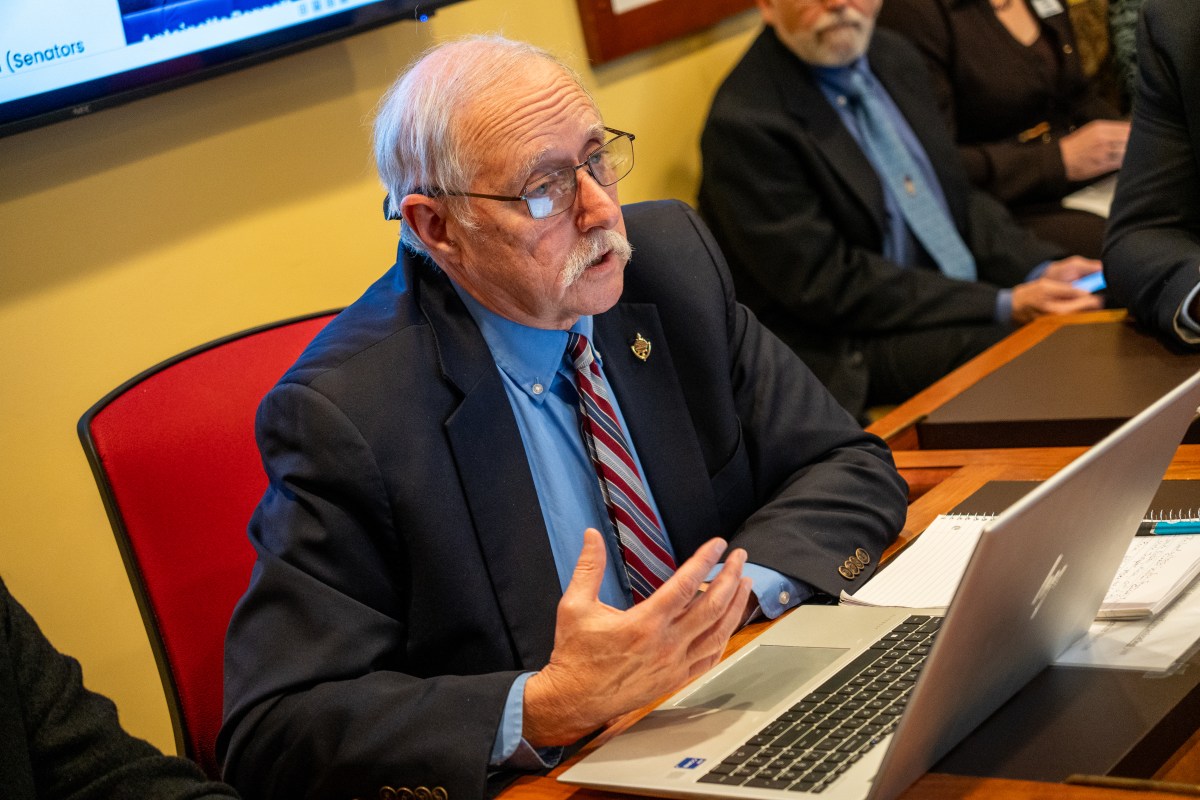
The chairs of the House and Senate committees on housing said they need to clarify exactly what the housing authorities need to stay afloat before committing to advocating for state funding for Section 8 vouchers. But they said they recognize they need to act.
“I think there is a growing consensus that … we have to use state funds to see if we can stop or slow this downward spiral loss of Section 8 vouchers,” said Rep. Marc Mihaly, D-Calais, chair of the House Committee on General and Housing.
If that loss isn’t stemmed, advocates fear Vermont will have fewer and fewer chances to transition people out of homelessness.
“If we have many less vouchers, moving people from being unhoused into housing is going to become nearly impossible,” said Gus Seelig, director of the Vermont Housing and Conservation Board.
