


Vermont, the first state in the country to legalize civil unions, has a storied history supporting LGBTQ rights. Last week, a crowd gathered to hear speakers illuminate historical figures who championed the cause, and hear about a gathering place that served as a safe haven for the LGBTQ+ community.
The Andrews Inn, run as a restaurant, inn, gay bar and disco club from the 1973 to 1984 at the heart of downtown Bellows Falls, was a magnet for people from all corners of the East Coast and southern Canada. But the inn, which served as a safe space for the LGBTQ+ community in Bellows Falls for a decade, is largely unknown in the collective imagination of Vermont today, said Andrew Ingall.
Ingall is a scholar and performer who organized a series of talks this fall, sponsored by the Vermont Humanities 2025 Fall Festival “Resilient Patterns,” on his family history, Andrews Inn and legacy of LGBTQ+ caregiving in the state.
Around 45 people poured into the Rockingham Free Public Library in Bellows Falls on Oct. 25 to learn about and remember the stories of older LGBTQ+ adults and ancestors in Vermont’s history.
Thom Herman, one of the former innkeepers and owners, said the gathering was a cathartic experience, remembering the many joyful and meaningful experiences at the inn such as the Yellow Rose Ball, which was held in honor of a local high school girl who died.
“When I left April Fool’s Day, 1984 and closed the inn, I left with a lot of trauma,” Herman said. “I never would have imagined that 40 years later, people would be celebrating and giving me a chance to heal and appreciate some of the wonderful things, friendships that still are happening to this day.”
As much as Andrews Inn was a LGBTQ+ community hub, it also drew detractors and homophobic attacks from the local community. The tension heightened after a male prostitution sting operation played out at the inn in 1983, said Gail Golec, a historian and member of the Bellows Falls Pride group.

The news tarnished the Andrews Inn’s reputation and economic viability, even though the inn’s owners did not know about the activities, the subjects of the raid had never visited the inn prior, and all charges were eventually dropped, Golec said. The building shuttered a year later.
Golec has produced a podcast series and is working on an upcoming documentary on the Andrews Inn. She said she was intrigued by the Andrews Inn’s setting in a rural, economically disadvantaged Vermont community amid the AIDS crisis and growing LGBTQ+ rights movement.
“I think it’s a fascinating history of the inn, but it’s also the wider story is about how people take care of each other,” Golec said. “It’s about how everybody looked after each other and how people found family and found community.”
Jeremy Youst, Herman’s partner and the other former inn owner, said opening the inn in Bellows Falls was “nourishing.” He told the crowd creating spaces for community connection helps remind people “we’re a part of something bigger than ourselves.”
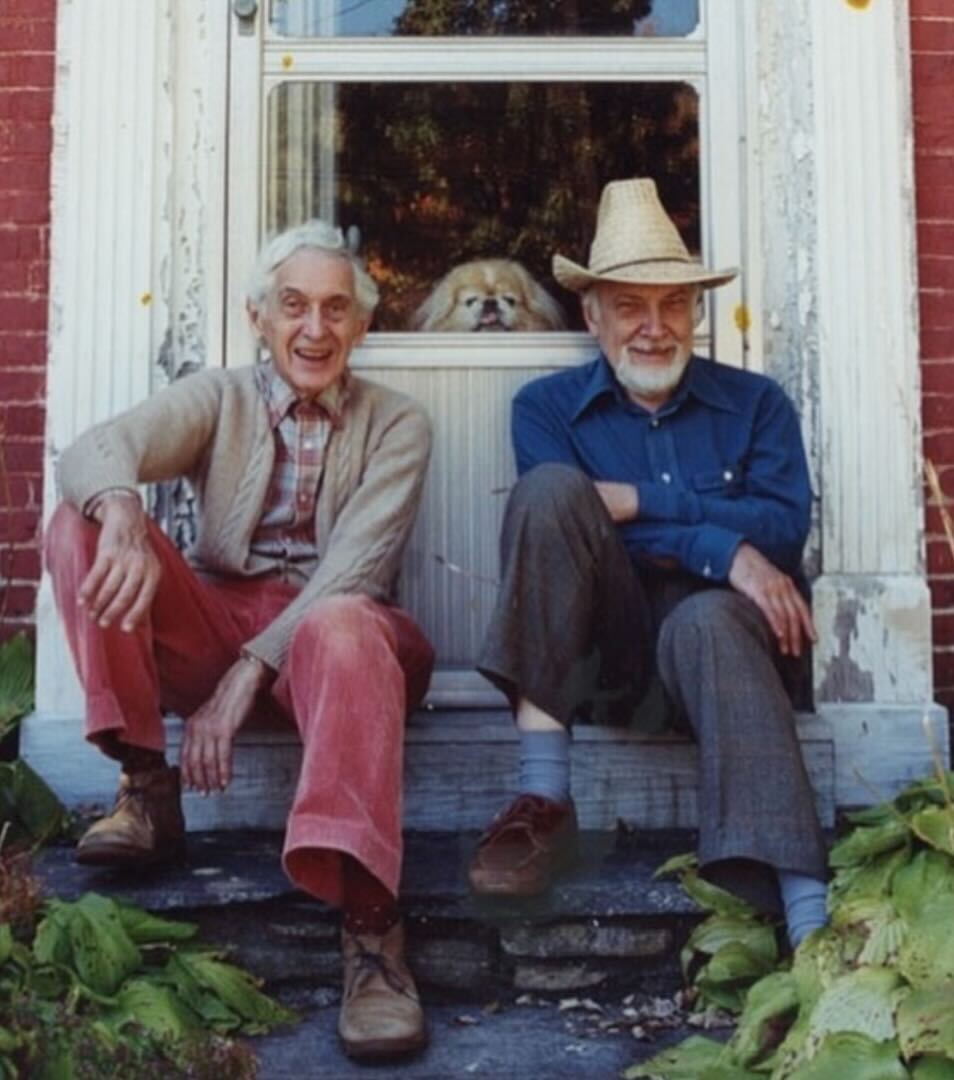
Tracing his own family tree, Ingall found that his father’s cousin, Léon Ingall, settled not far from Bellows Falls in Townshend in 1980 with lifelong partner Warren Kronemeyer. The couple opened an European antique shop called Warlé, which is the namesake of his research, the “Warlé” project.
Ingall said Léon was a fashion designer who escaped Nazi Germany, and enlisted in the U.S. Army. During his service in World War II, Ingall said Léon met Warren, who worked as a journalist in France. The couple opened an interior decor shop in New York City before moving to Vermont, Ingall said.
Ingall said Warren and Léon’s property has been transformed into an affordable senior living community called Valley Village. The center is LGBTQ+ affirming and inclusive, Ingall said, and a “beautiful legacy” of his ancestor and partner.
Ingall also discussed research into a couple named Charity and Sylvia, who were considered a married couple in Weybridge under the term “help-meet” in the 19th century, long before civil unions or gay marriages were legal in the state. In the Shaker tradition, Charity and Sylvia used an adult-sized “granny cradle” to rock their partners during illness, a profound symbol of LGBTQ+ caregiving, Ingall said.
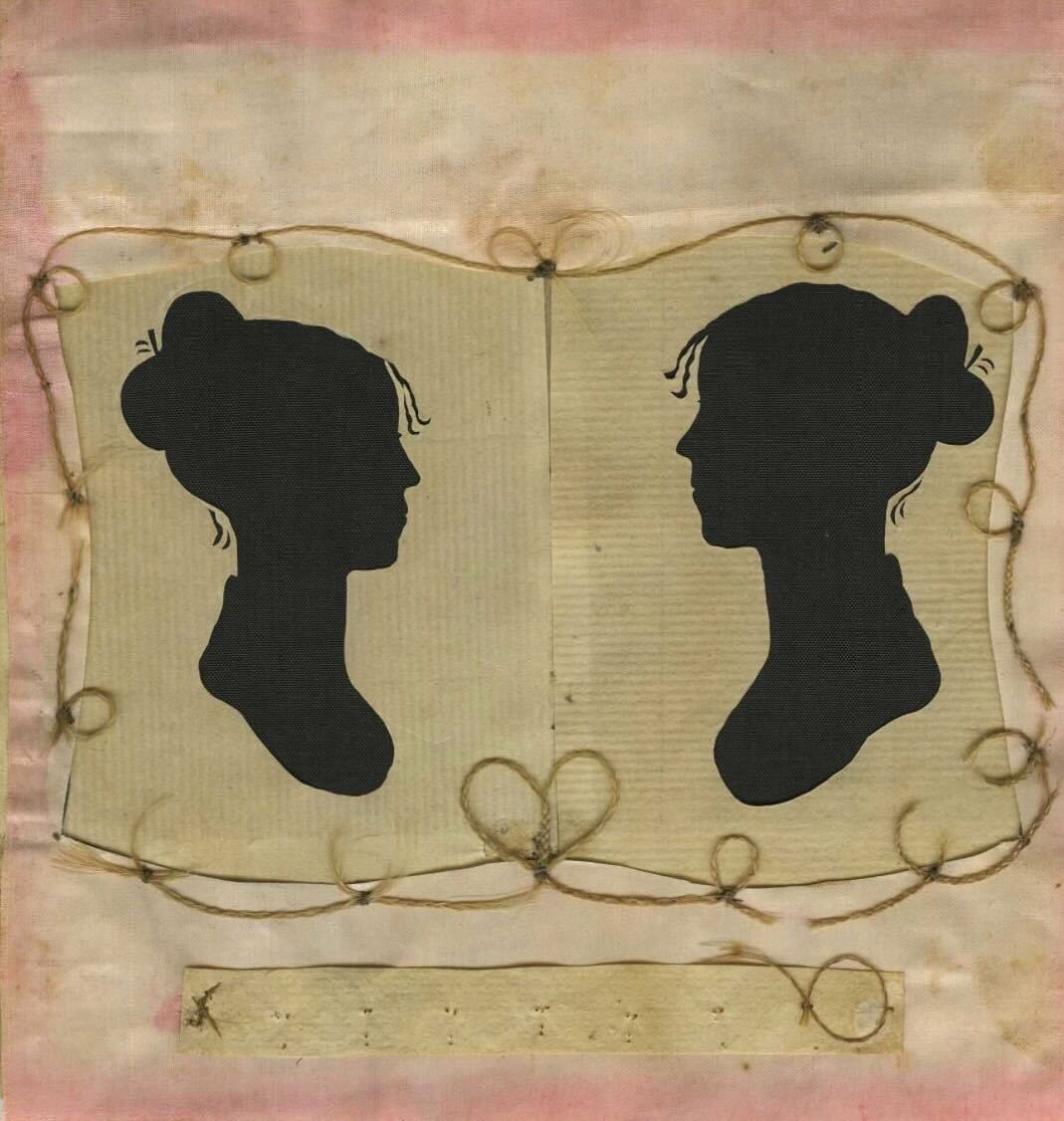
An upcoming event on Nov. 8 in Middlebury will highlight the research on Charity and Sylvia, along with bringing the story of Warren, Léon and the Andrews Inn to life. The event will bring together speakers from the Henry Sheldon Museum of Vermont and performer Dr. François Clemmons, best known for his role in the PBS television show “Mr. Rogers’ Neighborhood.” Ingall said he hopes to again weave together these stories to help foster social connection and appreciation of older LGBTQ+ adults and ancestors.
Community hubs and spaces like the Andrews Inn serving the LGBTQ+ community in rural Vermont are even more needed today after the loneliness epidemic was declared a public health crisis by the U.S. surgeon general in 2023, Ingall said.
Ingall noted there are higher rates of economic insecurity, food insecurity, anxiety, depression and social isolation for older LGBTQ+ adults, and he hopes the discussion will spark ideas of what community care could look like in the future.
“I also see the theme of care and caregiving as a common thread between Warren and Léon, Thom and Jeremy and Charity and Sylvia,” Ingall said. “These LGBTQ+ folks made their mark in Vermont history, but there are so many others upon whose shoulders we stand, those who aren’t as well known or haven’t yet been discovered.”
Correction: A previous version of this story identified Dr. François Clemmons by his stage name.
