

Vermont is among a dozen states pushing back against new restrictions placed by the U.S. Department of Homeland Security on emergency preparedness grant funding. The states facing the funding restrictions had all refused to allocate law enforcement resources for federal immigration activities.
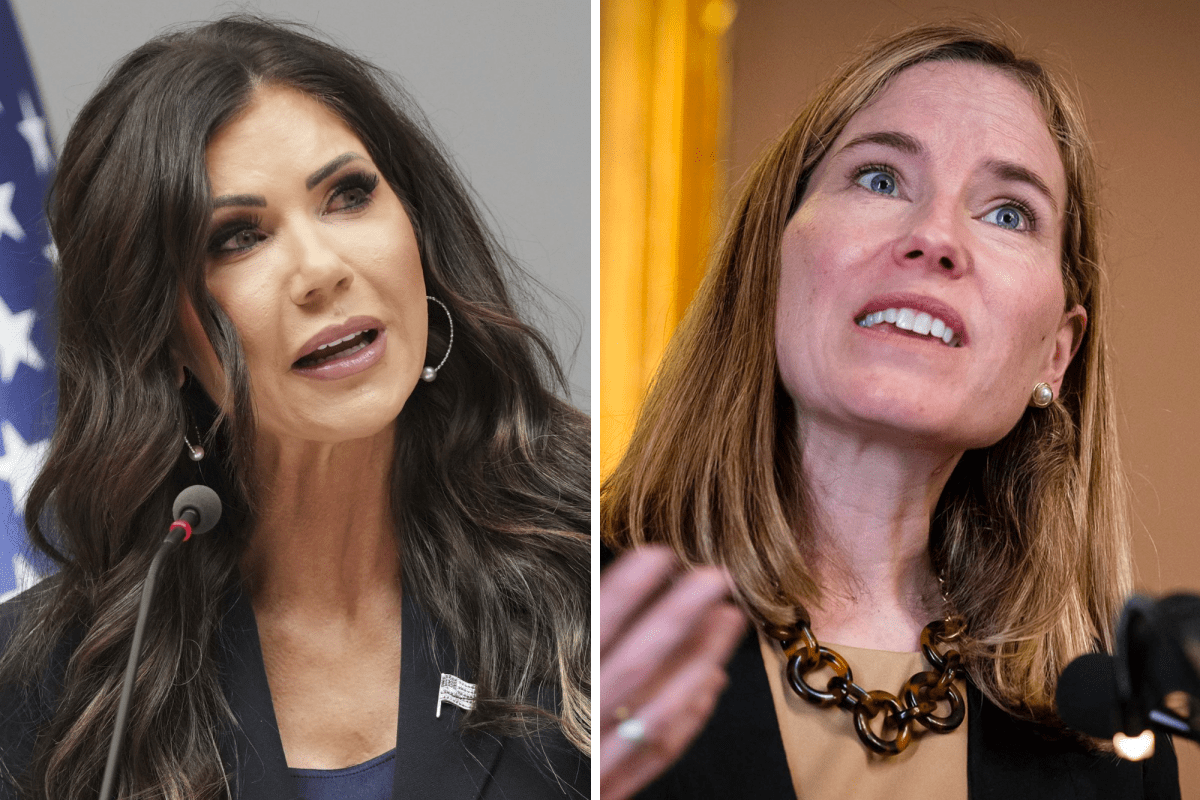
State Attorney General Charity Clark joined her latest lawsuit Monday against President Donald Trump’s administration, calling the new rules and grant allocations unconstitutional. Attorneys general from 11 other states, including Rhode Island, Massachusetts and New York, are also participating in the lawsuit. The lawsuit specifically names Homeland Security Secretary Kristi Noem and top Federal Emergency Management Agency official David Richardson, both in their official capacity.
At issue in the lawsuit are two grant programs run by the Federal Emergency Management Agency, one targeting homeland security, the other emergency preparedness. The former, the Homeland Security Grant Program, is FEMA’s largest grant program, allocating nearly $1 billion to states and municipalities each year.
FEMA had previously notified the 12 states that they would receive $459 million through the Homeland Security program, according to a press release from Clark’s office. But on Saturday, the states were collectively awarded $226 million — a more than 50% reduction of what the states were promised. The administration also cut the period of time that all states are allowed to spend the allocated funds from three years to one.
A FEMA press release announcing the reduced funding on Monday said, “Recipients of grants will no longer be permitted to use federal funds to house illegal immigrants at luxury hotels, fund climate change pet projects, or empower radical organizations with unseemly ties that don’t serve the interest of the American people.”
Vermont received all of its previously allocated funds, but now will have only one year to put them to use. The large majority of the federal grant money is awarded by the state to municipal subgrantees such as towns or water districts, which are often on different budgetary timelines. The shortened timeframe could pose significant hurdles to the funds’ implementation, the Attorney General’s Office said.
Vermont receives approximately $4.5 million through the Homeland Security Grant Program and approximately $2.75 million through the Emergency Management Performance Grant, according to the Attorney General’s Office.
“The Trump Administration is trying to unlawfully reallocate federal homeland security funding based on a state’s willingness to comply with the Administration’s political agenda,” Clark wrote in a press release.
“But under the Constitution, it is Congress – not the President – who has the power of the purse,” she added. “This reallocation also includes an unlawful attempt at drastically shortening the timeframe during which funds must be spent, effectively setting states on a race against time to use the funds before one year is up.”
Vermont Emergency Management oversees the implementation of the grant funding in the state. In an email, Vermont Emergency Management spokesperson Mark Bosma relayed a message from the homeland security unit of the department, saying, “They are in the process of evaluating the award conditions for this grant, so it would be premature for them to discuss it.”
Vermont has refused to use its law enforcement to assist in the federal government’s aggressive immigration crackdown. Gov. Phil Scott twice declined to send the Vermont National Guard to assist the Trump administration this summer. The first request was explicitly to assist the U.S. Immigration and Customs Enforcement in its work. Also, Vermont law forbids local and state law enforcement agencies from participating in federal immigration enforcement actions. State lawmakers went even further to tighten the statute earlier this year.
The lawsuit argues that cutting congressionally allocated funding for political aims — such as punishing states that are not assisting the Trump administration in its immigration enforcement activities — is in stark violation of the Constitution.
The changes made to the grant awards and timeframe also violate the Administrative Procedure Act, a statute that lays out specific protocols federal agencies must follow when changing regulations or programs, the lawsuit said. The law essentially aims to establish best practices in regulations and prevent this kind of political whim from dictating agency actions, as legal experts have outlined.
