
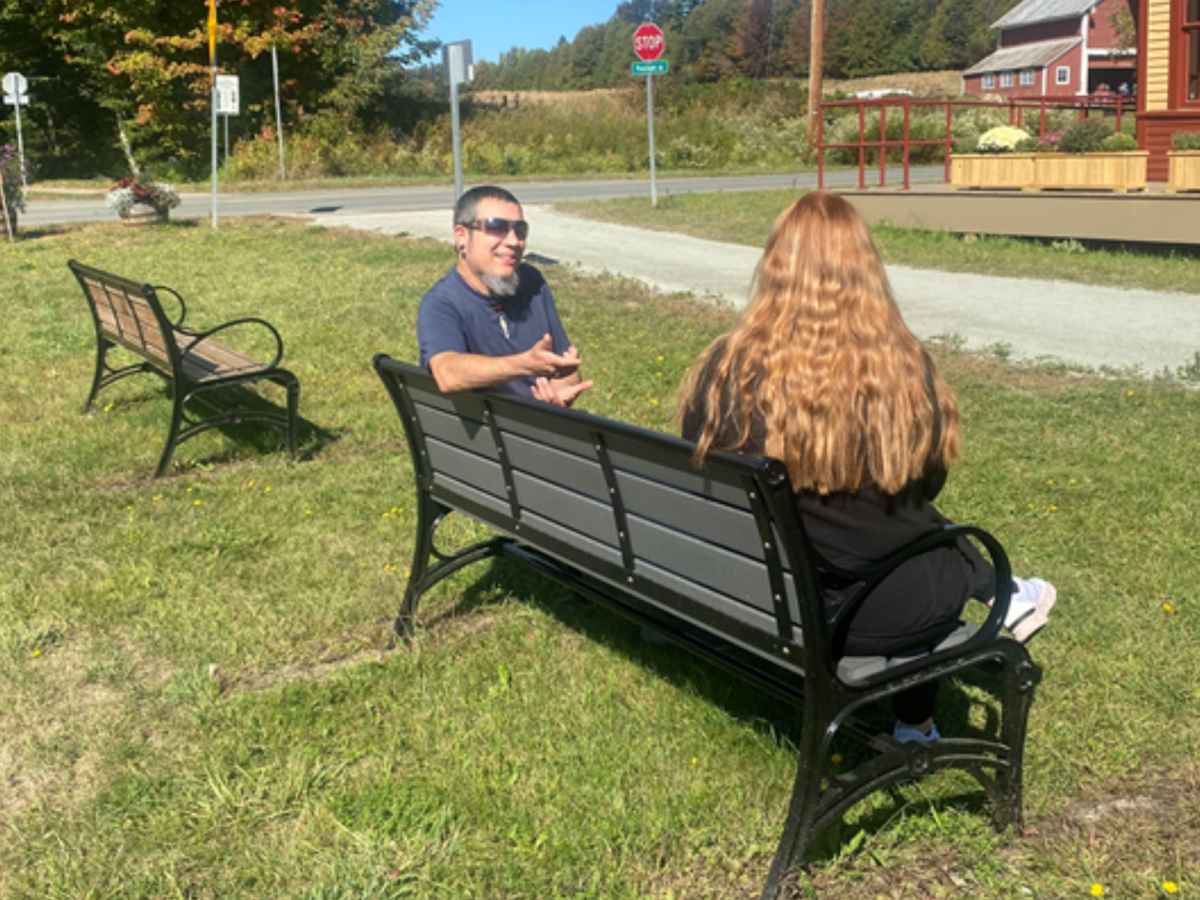
Walking Beside You, Not Ahead of You
NCHC’s Peer Support Workers have lived through their own struggles and are trained to walk alongside you through life’s toughest moments.
Meet Neil Goerz, Peer Support Worker at NCHC’s Danville Health Center.
“I had a struggling client walk in once in full withdrawal mode. They were desperate to stop using and were scared and frustrated. I shared a little about my own past struggles and how I overcame them. Right away, they relaxed—they realized I truly understood what they were going through,” says Neil.
That connection made all the difference. With Neil’s ongoing support, the patient stayed engaged in their recovery, secured a steady job, and recently bought their first truck.
What Peer Support Is—and Why It Matters
Peer support is built on mutual understanding. It connects people who’ve experienced mental health or substance use challenges with others facing similar struggles. NCHC Peer Support Workers have lived experience navigating the system themselves and know how overwhelming it can be to do alone. That shared experience creates trust, hope, and encouragement.
Peer Support Workers:
- Have lived experience with recovery.
- Offer non-judgmental, strengths-based support.
- Provide encouragement, practical strategies, and resources that make a difference.
- Walk with you on your recovery journey—without pressure, requirements, or stigma.
At NCHC, Peer Support Workers are also Community Health Workers. This means they know the area’s assets, and are able to coordinate the right resources, at the right time for the situation, and for the patient. This includes connecting patients to resources for things like transportation, food, intimate partner violence support, housing, and employment.
Peer support does not replace clinical care. Instead, it enhances it by breaking down barriers of stigma and fear, making it easier to take the next step toward healing.
“I’m a regular person reaching out with support and honesty to regular people who sometimes are too proud or embarrassed to ask for help,” says Neil.
The Benefits of Peer Support
Decades of experience—and growing research—show that peer support helps people stay engaged in recovery and lowers relapse risk. Patients who connect with peer support often experience:
- Better quality of life and self-management.
- Stronger engagement with health services.
- Fewer hospitalizations and ER visits.
- Greater use of supportive, outpatient services like primary care.

As Dr. Emily Oleson, Family Physician at Danville Health Center, explains:
“Neil has been invaluable in supporting our most vulnerable patients. He makes it easier for patients to connect with care—and he makes my job easier, too.”
Kathryn Burnell, Family Nurse Practitioner, adds:
“Neil is an amazing asset. He’s generous with his time, always available to listen, and provides seamless support in the office—even during a crisis.”
Expanding Access in the Northeast Kingdom
For nearly 20 years, NCHC has led the way in integrating behavioral health into primary care. With clinics across the Northeast Kingdom—and new funding from HRSA—NCHC has added Peer Support Workers at multiple sites, including walk-in Express Care locations in Newport and St. Johnsbury.
This means more patients have easier, more immediate access to high-quality and specialized support—right where they already receive care.
Speaking about Express Care Peer Support Worker, Rachel Cutler; Abby Provost, Family Nurse Practitioner reflects:
“Yesterday at Express Care, Rachel worked with a patient with significant mental health needs who often uses the ER. She coordinated with his case worker, arranged transport to Front Porch, and spent two hours ensuring appropriate care—preventing an unnecessary ER visit. This was her first case in the new role, and she effectively used resources to provide quality care.”
As for the patient Neil spoke about at the beginning, he added, “I am very proud of them, this story, and hope they can continue to face the world head on.”
Ready When You Are
Recovery is a journey. Whether you’re just beginning, rebuilding, or working to stay on track, NCHC’s Peer Support Workers are here for you. No judgment. No stigma. Just real people offering real support—close to home.
Ask your provider about meeting with a Peer Support Worker at your local clinic in Concord, Danville, Hardwick, Island Pond, or St. Johnsbury.
Learn more at www.nchcvt.org or call your Northern Counties clinic today.

About Northern Counties Health Care
Northern Counties Health Care (NCHC), Vermont’s first Federally Qualified Health Center, was established in 1976. NCHC’s Mission is to provide high-quality, accessible, patient-centered health care to the medically underserved, 2,000+ square mile rural region of VT known as the Northeast Kingdom (NEK). Annually, NCHC provides quality care to over 20,000 individuals; nearly one-third of the residents of the NEK. Over 64,000 encounters are made each year through a rural network of seven community health centers – including two walk-in primary care clinics, three dental centers, and a home health care and hospice division. All NCHC Health Centers are Patient Centered Medical Homes, recognized by the National Committee for Quality Assurance (NCQA). From preventative care, gynecological care, chronic disease management, and behavioral health services to dental care, physical therapy, home care and hospice, we provide complete, compassionate care for the whole family, in our home or yours. Learn more at www.nchcvt.org
For more information about Peer Support:
· Substance Abuse and Mental Health Services Administration (SAMHSA)
References:
Evidence for Peer Support, Mental Health America (2019)
Peer Support Services Improve Clinical Outcomes by Fostering Recovery and Promoting Empowerment, Optum (2016)
Peer Workers in the Behavioral and Integrated Health Workforce: Opportunities and Future Directions, Gagne, Cheryl A. et al. American Journal of Preventive Medicine, Volume 54, Issue 6, S258 – S266 (2025)
Value of Peers, Substance Abuse and Mental Health Services Administration (SAMHSA) (2017)
The Health Resources and Services Administration (HRSA), Department of Health and Human Services (HHS) provided financial support for this article as part of the FY 2024 Behavioral Health Service Expansion (BHSE) grant. The award provided 76% of total BHSE program costs and totaled $600,000. The contents are those of the author. They may not reflect the policies of HRSA, HHS, or the U.S. Government.

