This story, by Report for America corps member Carly Berlin, was produced through a partnership between VTDigger and Vermont Public.
Water utilities across the nation will have to replace all lead pipes within a decade under a new federal rule aimed at tackling a toxin that is particularly dangerous to young children.
In a state with aging infrastructure, Vermont officials are working to assess the implications of the mandate, which the White House finalized earlier this week.
Already, communities across the state have been undertaking a painstaking inventory of all of their service lines to comply with an existing federal rule, said Ben Montross, drinking water program manager with Vermont’s Department of Environmental Conservation. That means they must survey all of the service lines connected to the water system and document what materials they’re made of. Those results are due back to the state next week.
That effort has ranged from tiny village schools – which often are distinct public drinking water systems – to larger city water districts, Montross said. Lead from decades-old pipes that connect water mains to buildings can leach into the drinking water supply, posing significant health risks.
“One of the reasons why we need to do these inventories is it’s really hard to guess and to predict where these service lines are,” Montross said.
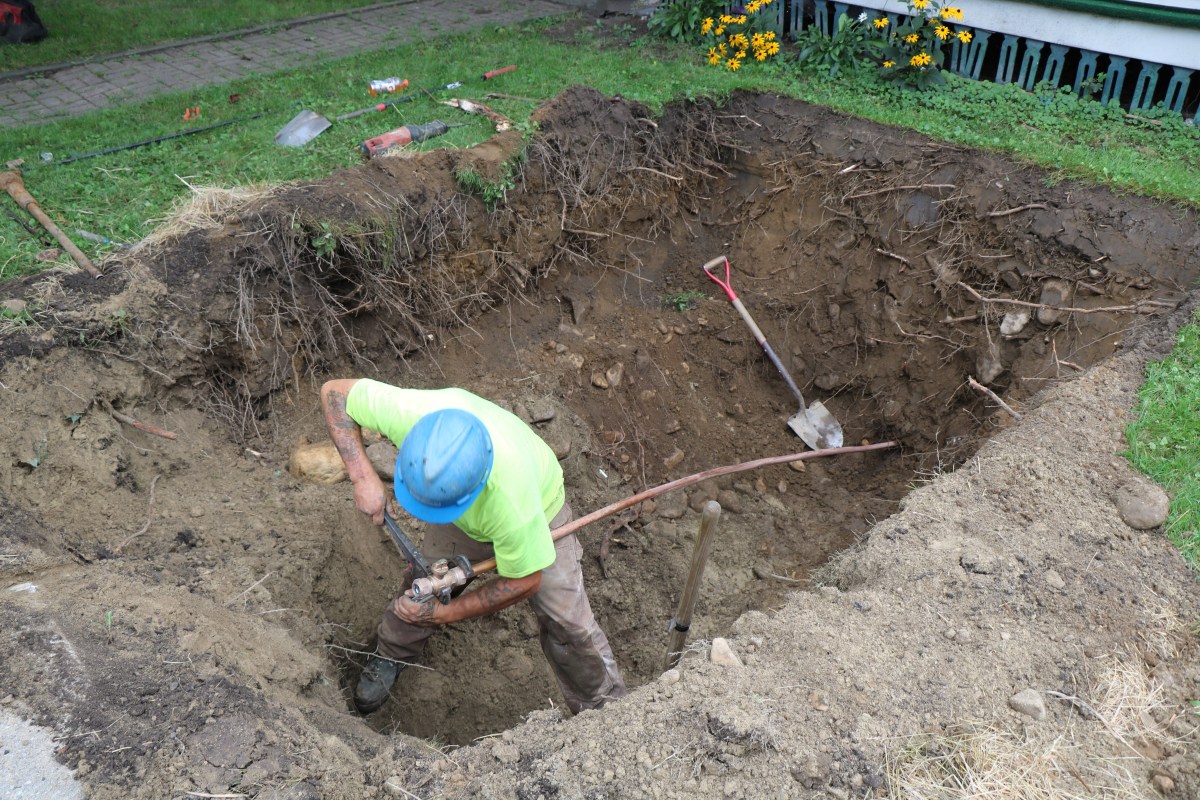
Getting a sense of where lead pipes might be situated underground has required sifting through old land records and building permits, along with door-to-door visits to inspect water hookups in residents’ homes, said Thomas Garofano, water division manager and chief operator for Rutland City.
But that process has delivered encouraging results: The city has found no lead service lines, Garofano said. It has identified a minimal number of old galvanized pipes – typically steel and coated with a substance meant to prevent corrosion – that will be slated for replacement.
“For the City of Rutland, we look like we’re in pretty good shape,” Garofano said. Public works administrators in Montpelier and Brattleboro gave similar responses on Thursday.
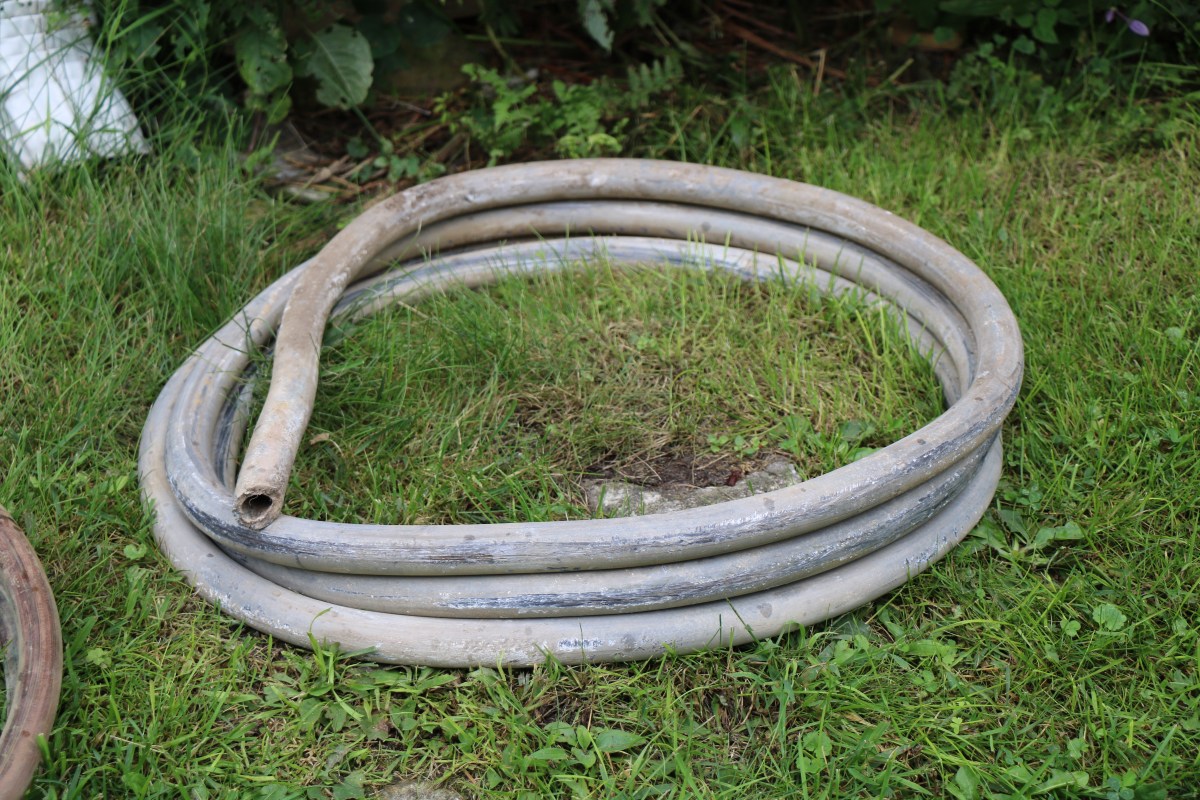
Right now, DEC’s understanding is that Vermont does not have “copious amounts of lead service lines statewide,” Montross said. Aside from Bennington – which has worked to remove its extensive network of lead service lines over the last several years – the state has not thus far detected other large concentrations of lead lines.
Based on the inventories the department has received already, along with conversations with contractors and consultants completing the work locally, Montross does not expect many “big surprises” when the inventories come in next week.
“We are cautiously optimistic that we have a good sense of what is in store,” Montross said. “But that’s not to say there won’t be, you know, lines that we didn’t know about that we get notified about next week.”
Detecting any lead service lines soon is key. Vermont received an influx of federal cash from the 2021 infrastructure law for replacing lead lines over a five-year period. That funding covers replacements for both the “system-owned” portion of water lines, on municipal land, and the privately-owned portions connecting to homes and other buildings.
Once that money runs out, there will no longer be funding available to address the customer side of the lines, Montross said.
“So it’s in the water system’s best interest to do it now while the money’s there,” Montross said.
The new mandate rolled out by the Environmental Protection Agency this week to remove all lead lines in 10 years only makes that work more urgent. Currently, if a water system has lead service lines and elevated lead levels in drinking water samples, the operators are required to install treatment – like adjusting pH levels at a water treatment plant or using “corrosion inhibitors,” Montross said. If those interventions don’t work, then they must replace the lead lines.
The new rule goes a step further. “The new regulation isn’t waiting around for treatment,” Montross said. “It’s not allowing the lead lines to stay.”
There is no safe level of lead exposure in children, according to the Centers for Disease Control and Prevention. Health risks from even low levels of lead exposure can be long-lasting and irreversible, and include developmental delays, difficulty learning, and behavioral problems.
The new EPA rule lowers the level of lead contamination that will trigger government enforcement. It also requires lead testing in schools that get their water from public utilities. Vermont has had a similar requirement on the books since 2019.
In a separate announcement on Thursday, several Vermont municipalities will receive funding from the U.S. Department of Housing and Urban Development to mitigate lead exposure in homes.
Burlington has been awarded a $4.8 million grant to address “lead and other housing hazards in 96 housing units,” and Windham County has been awarded a $1.1 million capacity-building grant to develop a program “to determine the prevalence of childhood poisoning, identify and train local contractors to address lead hazards, and create a strategy to incorporate lead hazard control into existing and future housing repair programs.”