

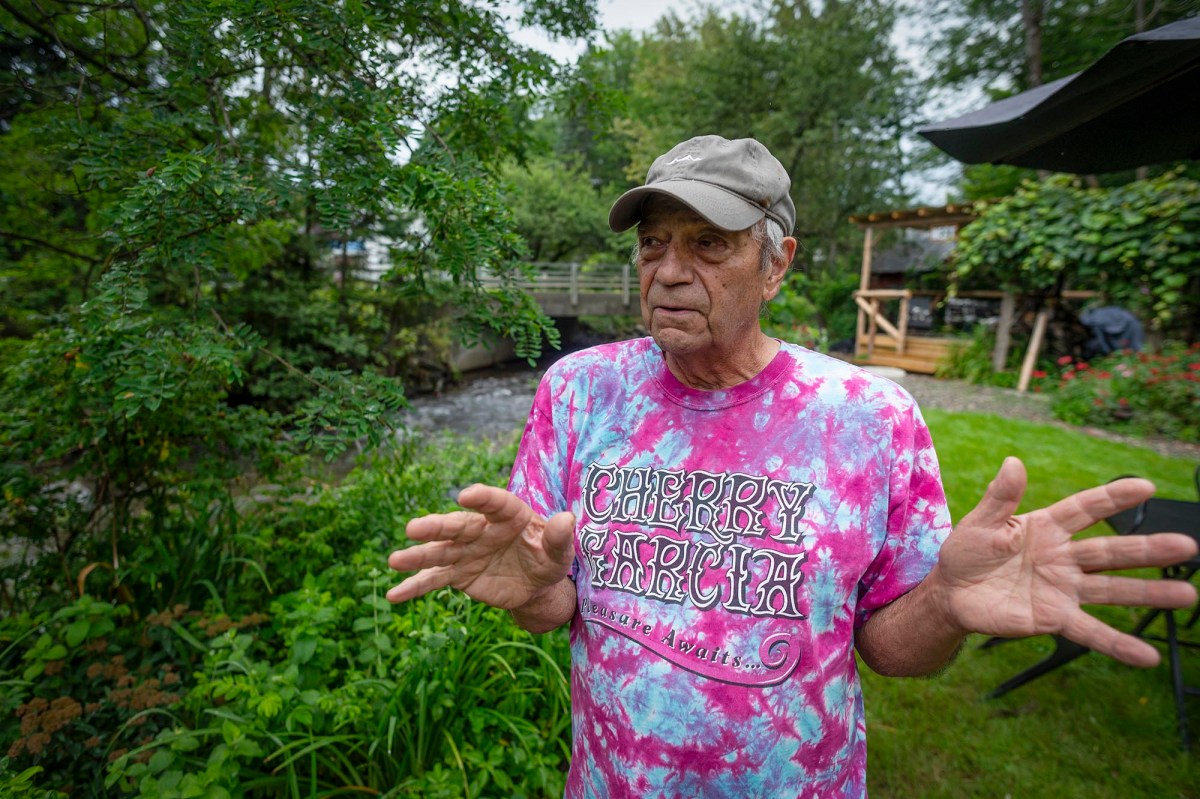
Doug Safford, a Glover survivor of last year’s historic flood, has a message to share with those now dealing with flood damage from two July storms: Your mental health will be impacted, and you’re not alone.
Images of the “unbelievable force” of the Barton River — which jumped its banks in July 2023 and destroyed Safford’s yard, barn and basement — haunted him for months after the flood, he said in a recent interview with VTDigger.
“When you wake up in the middle of the night and you’re talking to yourself about the same problem over and over, then you start to have to sense that, ‘I just need to let this loose. I can’t live with this pent-up feeling,’” he said.
Even though he has found support from friends and neighbors over the past year, he still experiences a rekindling of flood trauma every time he hears a forecast of rain on the local weather report.

“There’s this anxiety when they talk about rain,” he said. “It makes you want to shut off the TV and run away. It sets off that feeling that, ‘Oh my god, are we going to go through this again?’”
Safford isn’t alone. For many Vermonters, flood damage doesn’t disappear after the last floodwaters recede, the last potholes are patched, or the last floorboards are replaced. It lives on in memories that fuel anxious thoughts, said Terri Lavely, director of training, development and advancement for Northeast Kingdom Human Services.
“When you have these extraordinary circumstances that weigh heavy on you, it impacts your mental health and your physical health, and you get stuck,” she said. “There’s no shame in being stressed out right now. We really just need to normalize that.”
Door-to-door outreach
Mental health providers with regional nonprofit organizations from across the state have been hitting the road in recent weeks to bring mental health services to Vermonters’ doorsteps, rather than waiting for victims to seek help. Talking with affected residents, they are looking for specific symptoms while offering a helping hand.
Common physical manifestations of trauma include feeling like you can’t take a full, deep breath, not being able to focus on tasks, and losing normal sleeping and eating habits, said Sherry Marcelino, community support manager for Lamoille County Mental Health Services. If not addressed, stress caused by traumatic experiences such as natural disasters could lead to long-term mental health illnesses — including anxiety disorders, depression and PTSD — and cause higher rates of suicidal ideation, violence and substance use, she added.
The outreach services are important because some Vermonters don’t know how to evaluate their mental health — and even if they do, they don’t have time to call their doctor to talk about their concerns when they are busy mucking out their basement, Marcelino said.
“A lot of people are either not connected with their emotions regarding the impact of the flood, or they’re in denial that they need any kind of mental health support, or they’ve never experienced a need for mental health support in the past, so they don’t recognize any of the warning signs,” she said.

Marcelino’s work — and that of other organizations offering similar services to Vermont communities — is largely supported by Starting Over Strong Vermont, a FEMA-funded program that connects communities to a variety of recovery resources via local outreach teams. Organizations across the nine counties that received disaster declarations for the July 2023 floods received grants to be able to run the outreach services and receive disaster response training. Those grants expired on July 31, Lavely said, but programs received an extension until October 31 to address this summer’s flooding.
Heather Slayton, communications coordinator for Washington County Mental Health Services, said outreach workers’ focus is making sure locals’ basic needs are met. In the two weeks after the July 10 storm, her outreach team logged more than 200 acts of service, she said — doing everything they could to “help people keep their oxygen mask on while they’re in crisis mode.”
“Something as simple as being able to get dressed in the morning matters to your mental health,” she said. “So that’s where we start.”
The Starting Over Strong program is non-clinical — meaning outreach workers do not diagnose individuals or keep case files on their situations — which makes care more accessible to those who may be hesitant to ask for mental health assistance, Marcelino said.
The program could not have nearly as wide of an impact this summer without help from volunteers, Lavely said. Last July, Northeast Kingdom Human Services only had a “skeleton crew” of five to eight staff members to run outreach efforts every day. Since including volunteers in the program this year, hundreds of representatives from 15 organizations were canvasing each day in the immediate aftermath of the floods, she said.
“It’s still not enough” to address local needs, she said, when everyone has been affected by the floods in different ways.
And the bulk of their work in mental health care hasn’t even begun, she added.
“Our work as mental health providers, we’re not going to be able to start that for a couple of weeks,” Lavely said. “We’re still in crisis mode, and it’s just about getting people connected to the resources they need. People aren’t in a place to process right now, and when they are, I hope we can keep up.”
The truth is, Marcelino said, most of Starting Over Strong’s work has nothing to do with mental health counseling in a traditional sense. Instead, outreach workers are helping locals file insurance claims, replace waterlogged items, find emergency shelter, access hot meals and clean water, and more — ultimately trying to limit the stressors that could cause a decline in mental health, she said.
Lavely noted that most days, the largest extent of counseling she performs is helping locals make lists to prioritize one recovery task at a time and acknowledge what is — and isn’t — in their control to fix.
“Any way we can break it down, help people digest it a little easier, can relieve some stress and anxiety,” she said.
Self-care and community support
After helping with immediate needs, outreach workers’ next step, Slayton said, is to connect locals with support groups and counselors so they have an outlet to talk when they feel ready. Getting feelings off your chest, she said, is one of the most important elements of both short and long-term mental health recovery.
Outside of Starting Over Strong’s outreach, professional mental health help can be accessed for free via numerous hotlines, including the national suicide and crisis hotline at 988, and the disaster distress hotline at 800-985-5990.
In-person emergency care is also accessible through Mobile Crisis of Vermont, which dispatches clinical counselors and peer supporters to help Vermonters assess their mental health needs and make plans for future care.
But professional counseling is not the only avenue for strengthening your mental health, Lavely said. In fact, simply “know(ing) you’re not alone” by talking with and supporting fellow community members can be one of the best ways to move past the stress of a natural disaster, she said.
The key to supporting others, however, is to recognize that you are just as deserving of care, Lavely said: Vermonters are quick to volunteer, she said, but often not as quick to acknowledge that they, too, are struggling.
“A lot of folks think about their neighbors and their friends in the sense of, like, ‘My situation could be worse, so I’m only going to worry about my neighbor,’” she said. “But that’s not always healthy if you don’t address what’s going on with yourself.”
Being involved in your community through volunteering or simply checking in on your neighbors is especially critical because trauma from multiple floods has added up in recent months, Slayton said.
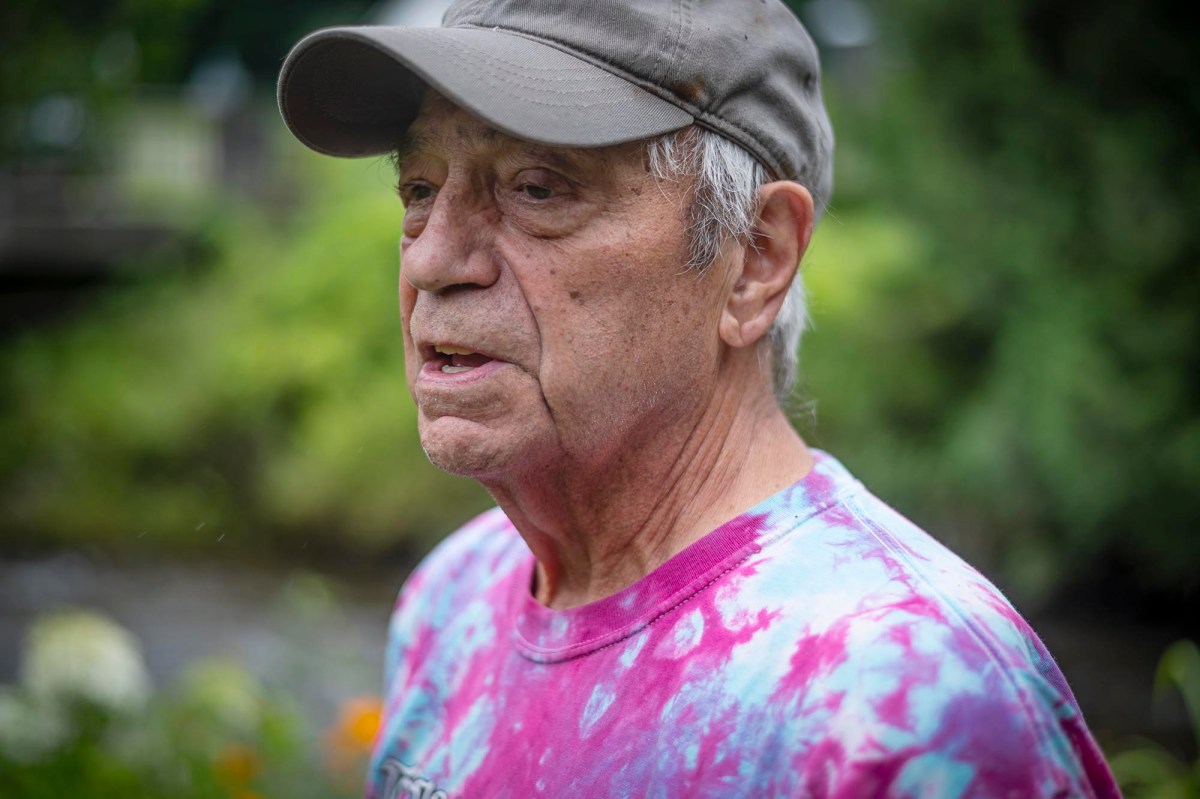
While July 2023 and July 2024 floods were widespread across the state, some towns saw additional flooding in December and again last week. That much repeated trauma in the span of a year, she said, makes it easy to feel defeated if you don’t repeatedly rebuild and strengthen community morale.
For Safford, talking with friends and neighbors has been key in his path to recovery — and he recommends it to all Vermonters, especially those who may not feel ready to seek professional help.
“Talking about things takes that anxiety away from you and relieves the pressure that you’ve built up in yourself,” he said. “And then you find out that sometimes, when you do that, it actually leads someone else to release anxiety they have, too.”
