

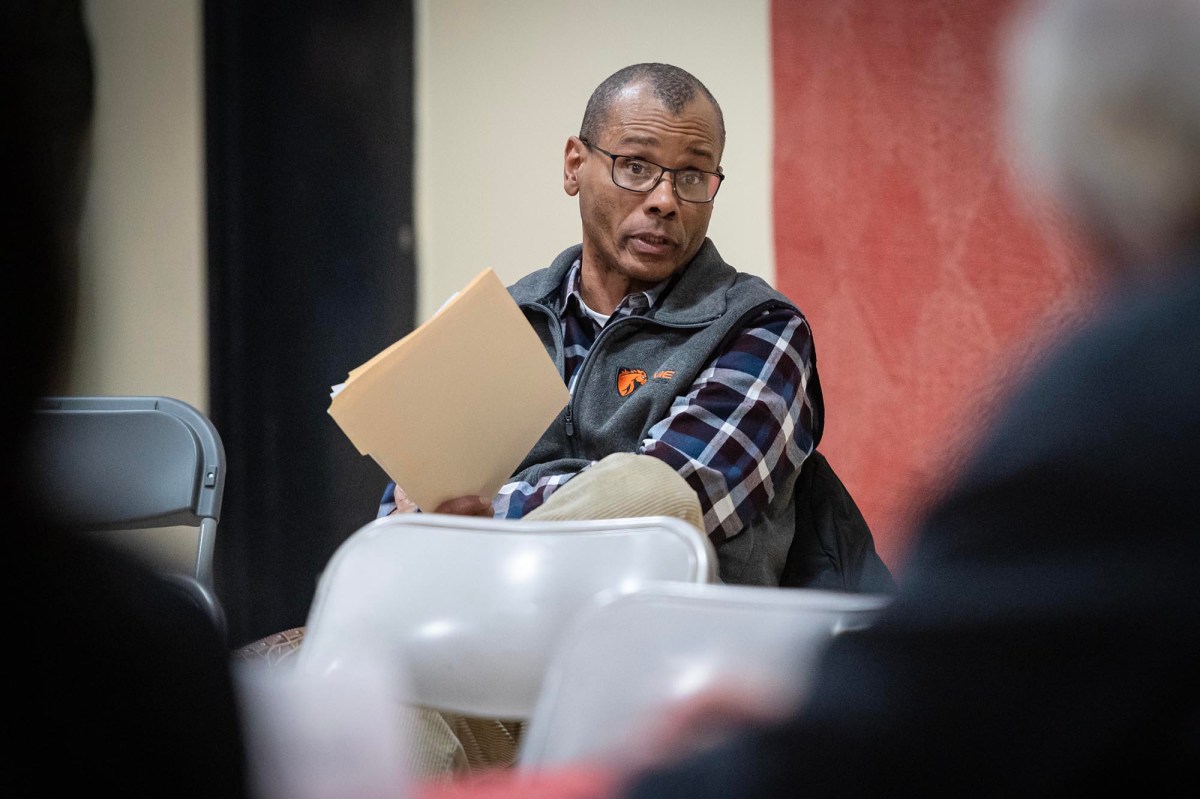
More than two-thirds of the Vermont Senate has signed on to legislation that would add an equal protection clause to the state’s constitution. In calling for the change, the bill’s proponents have cited attacks on marginalized communities nationwide and U.S. Supreme Court rulings that have whittled away key federal protections.
Proposal 4, sponsored by 23 senators, seeks to amend Article 7 in Chapter 1 of the Vermont Constitution to say that “the government must not deny equal treatment and respect under the law on account of a person’s race, ethnicity, sex, disability, sexual orientation, gender identity, gender expression, or national origin.”
The amendment would expand upon existing language within Chapter 1 that describes all people as being “born equally free and independent.” The new addition would further establish the principles of equality and liberty “by ensuring that the government does not create or perpetuate the legal, social, or economic inferiority of any class of people,” according to the Proposal 4 statement of purpose.
The U.S. Constitution’s 14th Amendment already contains an equal protection clause, but Rev. Mark Hughes, executive director of the Vermont Racial Justice Alliance, told the Senate Judiciary Committee last week that Proposal 4 is “urgently needed” to advance protections to every resident in Vermont given “emerging federal challenges.” Pointing to recent U.S. Supreme Court rulings overturning Roe v. Wade and affirmative action in education, Hughes said policies that protect marginalized groups are at risk across the United States.
Amending the Vermont Constitution is an arduous process — first the Legislature must pass a proposal in two successive biennia before sending it to voters. And so far another proposed constitutional amendment, Proposal 1 — which would allow the legislature to establish qualifications for sheriffs and other county officials — has attracted more attention in the Statehouse.
But in an interview last week, Sen. Dick Sears, D-Bennington, the Senate Judiciary Committee chair, said Proposal 4 ranks high among the committee’s priorities and seems to have “a great deal of support” among his colleagues.
“In light of United States Supreme Court rulings regarding the 14th Amendment, I think it would be important to try to get a statement of equal rights into the Vermont Constitution,” he said.
Vermont Law and Graduate School Professor Peter Teachout, who specializes in constitutional law, told the committee in testimony that adding an equal protection clause is important “for the simple reason that there isn’t one in the Vermont Constitution right now.”
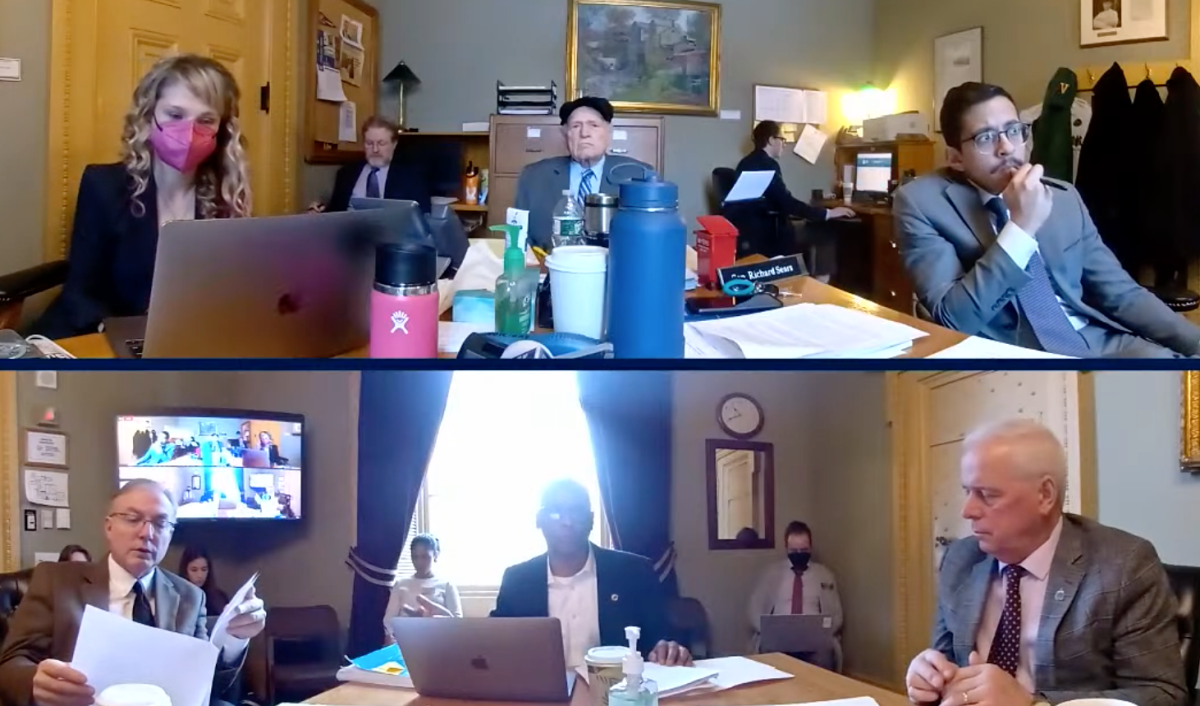
Article 7 is “not an adequate substitute,” Teachout wrote in a memo submitted to lawmakers, noting that it was never intended to serve as an equal protection clause. Adding such a clause would provide stronger constitutional backing for the Legislature to pursue “policies and programs aimed at countering the effects of ‘systemic racism’ at the state and local level,” he wrote, particularly in the current political context “where we can no longer count on the federal government to do that work under the 14th Amendment.”
However, in his testimony to lawmakers, Teachout took issue with the language of the clause and recommended creating a separate article for the equal protection language, rather than weaving it into Article 7 as currently proposed, in order to underscore its independent significance.
Jay Greene, a policy and research analyst in the state Office of Racial Equity, and Big Hartman, executive director of the Vermont Human Rights Commission, also offered comments in support of the new addition.
“Our office supports Proposal 4 because it creates an explicit commitment in the state constitution to the work of dismantling systemic racism,” said Greene who urged legislators to consider protections “based on equitable treatment and not just equal treatment.”
Greene shared an example of a program giving free bicycles to everyone who shows up. But if it only offers adult-sized, foot-powered bicycles, it leaves out, and consequently discriminates against, children and wheelchair users. “So equity is when you give people (the kind of) bicycles they need,” Greene said, noting that this may cost more or take more effort.
One of the bill’s primary sponsors, Sen. Ginny Lyons, D-Chittenden Southeast, told the judiciary committee the amendment was especially needed now in light of a “radical change” in public attitude towards certain people and groups since the 2016 presidential election. “We know how quickly the culture can change, we’ve seen that,” she said.
Lyons first began discussing an equal rights resolution with Senate colleagues in 2017 and put forward an amendment with the support of several groups in 2019, but it did not advance, she said.
“I think you have an opportunity really to help move this along,” she told the judiciary committee last week, “and I sincerely hope that you will take it up.”
