


Since 2020, Vermont lawmakers have been trying to ban the sale of flavored tobacco.
Seeking to protect children and youth from getting hooked on enticing flavors in vaping liquid, legislators drafted bills that would prohibit stores from selling all flavored tobacco products.
In past years, the legislation faltered amid the Covid-19 pandemic, stiff opposition from retailers and the tobacco industry, and a surge of turnover in the Statehouse. But this year, a ban appears to have a strong tailwind. The bill, S.18, passed the Senate last year and landed in the House Human Services Committee, where it is scheduled for a review and markup later this week.
Now, backers hope it can finally become law.
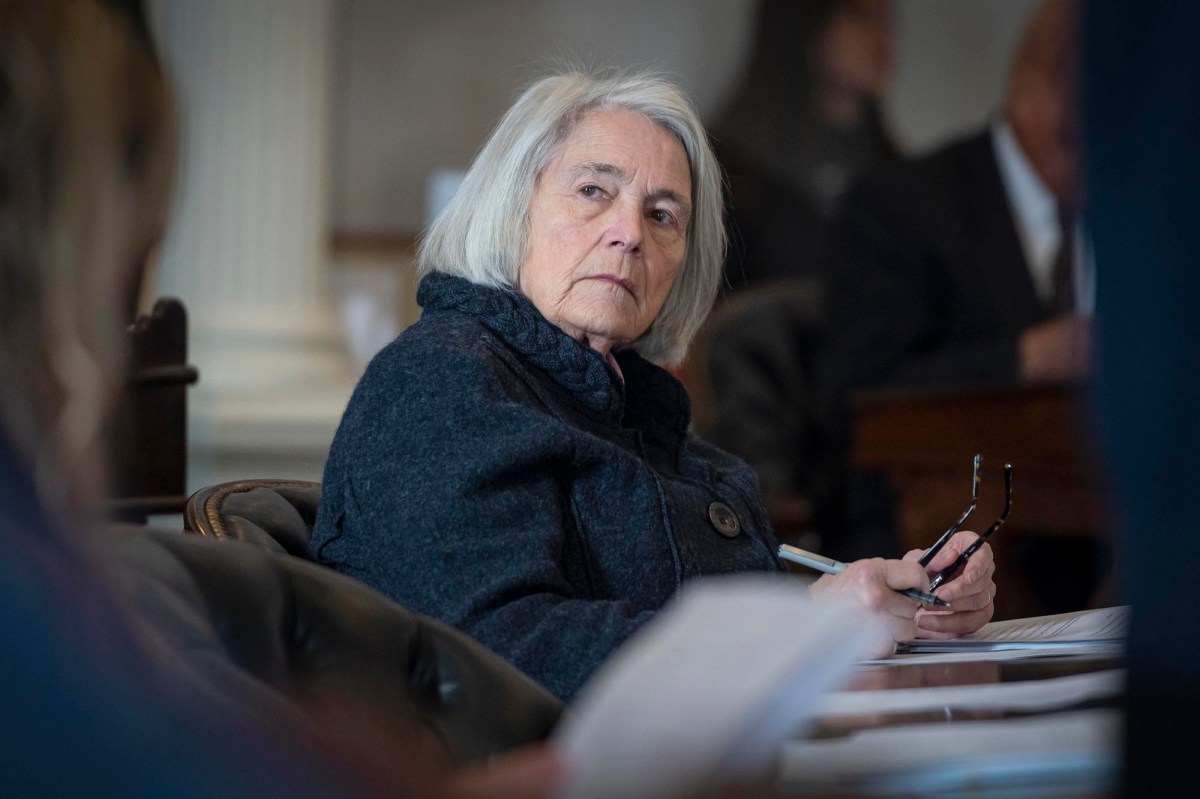
“It’s a really must-pass bill,” said Sen. Ginny Lyons, D-Chittenden Southeast, the chair of the Senate Committee on Health and Welfare and the primary sponsor of the bill. “We can’t let this go. It’s too important for children.”
As currently written, the bill would ban the sale of all flavored tobacco. Prohibited flavors include “tastes or aromas relating to any fruit, chocolate, vanilla, honey, maple, candy, cocoa, dessert, alcoholic beverage, mint, menthol, wintergreen, herb or spice, or other food or drink, or to any conceptual flavor that imparts a taste or aroma that is distinguishable from tobacco flavor but may not relate to any particular known flavor,” the bill reads.
Violators would be fined up to $100 for a first offense and up to $500 for future sales. It’s not yet clear when a law would go into effect — the ban passed by the Vermont Senate last spring was originally scheduled to begin Sept. 1.
Medical organizations, education officials and prominent state nonprofits have rallied in support of the bill.
School officials have described an epidemic of vaping among their students, a trend that medical professionals say is strongly influenced by the availability of flavored tobacco products, especially vapes.
“Vermont pediatricians are really concerned about the extent of vaping that we’re seeing in young people,” Lauren Faricy, a pediatric pulmonologist at UVM Medical Center, told lawmakers in the House Human Services Committee on Thursday.
“I’ve seen this progression play out in my patients,” Faricy said. “Where flavors start as a hook and then lead to a dependence.”
In November, a coalition of backers of the bill released a poll they say shows strong support in Vermont for such a ban.
But the bill has run into opposition from retail and grocery organizations, who have argued that the legislation would fail to achieve its health goals and would instead simply drive consumers to find flavored tobacco products in other states or on the illegal market.
VJ Mayor, the executive director of the Northeast Wholesalers Association, pointed to data showing that a 2020 Massachusetts ban on flavored tobacco led to spikes in flavored tobacco sales in neighboring states.
“Due to cross-border dynamics, Vermont will still be paying for smoking-related illnesses,” Mayor told lawmakers Thursday. “The only true outcomes are revenue loss and tax loss for the state.”
Last spring, an analysis by Vermont’s Joint Fiscal Office estimated that the ban would cost the state $5.6 million in tax revenue in its first fiscal year, though that number is expected to decrease slightly over time.
Critics of the bill also argued that flavored vapes can help many people quit smoking cigarettes — and that enacting a ban while allowing the sale of flavored alcohol and cannabis products would amount to a double standard.
Lawmakers in the House Human Services Committee are currently taking testimony on the bill, and it’s not clear what changes they might make to the legislation.
One potential point of contention has been menthol, a popular mint flavor used in vapes and cigarettes.
As written, the bill would ban the sale of menthol along with other flavors. But witnesses and lawmakers have noted data showing that Black and Hispanic people disproportionately smoke menthol-flavored tobacco.
That’s led to questions about the scope of the ban: Would banning menthol flavoring unfairly target people of color? Or would a menthol exception itself be a form of racial injustice?
With the markup scheduled for later this week, the committee expects to vote on the bill next week.
Rep. Theresa Wood, D-Waterbury, the chair of the House Human Services committee, said in an interview Tuesday that lawmakers might make some changes to the legislation before it leaves the committee.
But, she said, “We’ll be passing a bill out of committee that, you know, is a strong bill.”
