

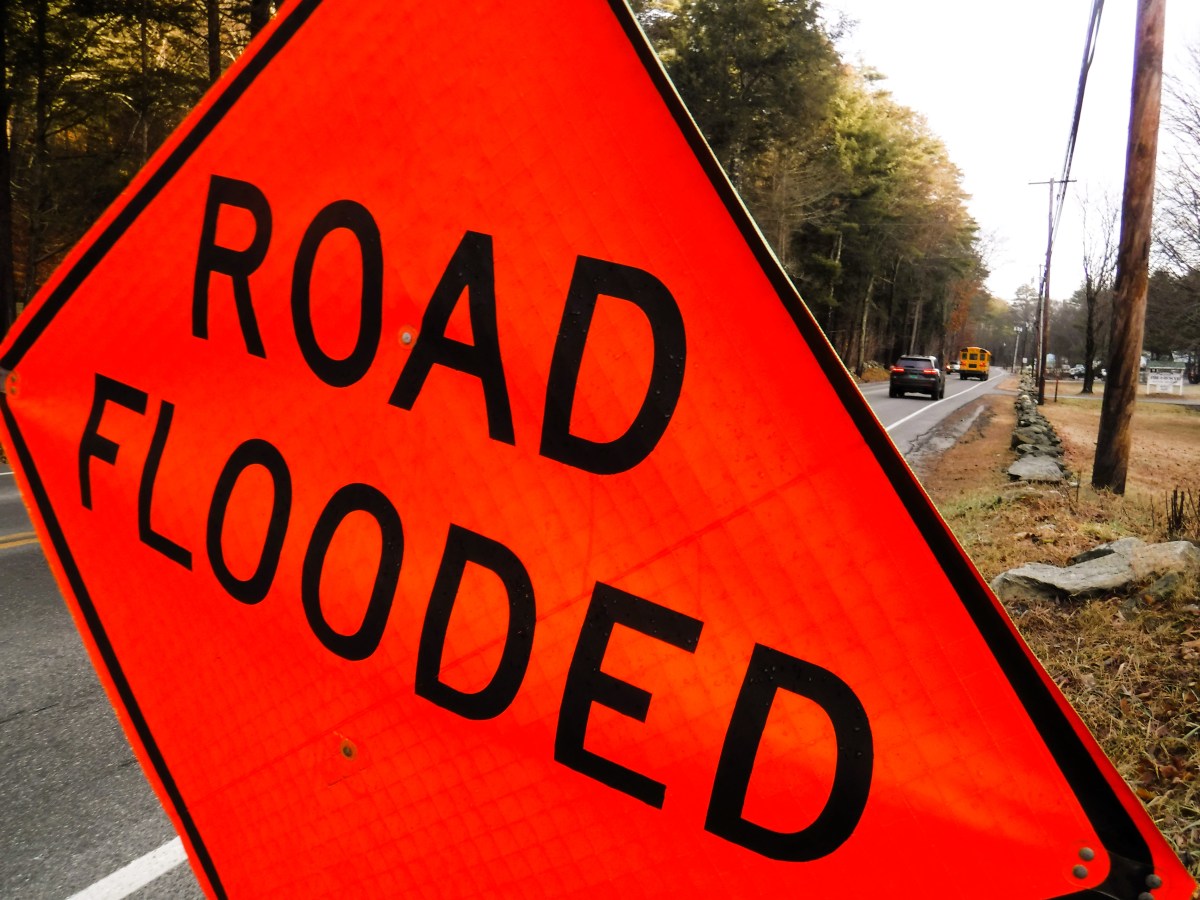
Six months after record rains sparked historic flooding, local leaders drafting municipal budgets for March Town Meetings are reporting a temporary torrent of red ink.
At least 60 of Vermont’s 247 cities and towns — from Athens in the south to Walden in the Northeast Kingdom — are facing deficits because millions of dollars in cleanup bills they paid last year have yet to be reimbursed by the federal and state government, according to a VTDigger survey.
Take Middlesex, population 1,779, where residents thought the worst was the momentary July 2023 closure of their east-west Route 2 and north-south Interstate 89. Then they calculated more than $2 million in emergency spending and the need for another $2.5 million in permanent road repairs and hazard mitigation.
Added up, the total is three times Middlesex’s $1.6 million annual budget.
The Federal Emergency Management Agency will pay 75% of approved costs, while the state could pick up at least half of the remaining 25%. But because the town first has to submit reams of paperwork (down to the GPS coordinates of every damaged culvert) for both federal and state review, it only has received confirmation of a coming check for its first bill: $6,000 for three debris-clearing dumpsters.
As it waits for the rest of the money, Middlesex has drained $1.5 million of a $3 million bank line of credit, leaving officials to consider whether to rack up more debt or ask taxpayers for help in the interim.
“We don’t want to overtax,” Middlesex Town Clerk Sarah Strohmeyer Merriman said. “Then again, we need the money and voters need to know exactly where the town is financially.”
That’s particularly challenging when local leaders don’t know themselves. The Barre City Council, for example, has tapped a $600,000 fund balance and $2 million line of credit as it awaits federal and state reimbursement. In the meantime, councilors decided Tuesday night to limit the city’s March 5 ballot to the state’s presidential primary and area school issues and postpone voting on all other municipal matters until May 14.
“We’re so in flux, because of the flooding and its impact on the budget, we don’t know what those numbers are going to look like,” Barre City Clerk and Treasurer Carolyn Dawes said. “By pushing it out, we’ll hopefully have a much clearer picture and more confidence in the proposal we put forward.”
Last summer’s flooding not only racked up a Barre City cleanup bill of more than $2 million, but also destroyed an estimated 10% of housing for its 8,491 residents — or 4% of the municipality’s assessed property value.
“We’re expecting a significant reduction in the grand list due to flood damage, which will have a negative impact on the tax rate,” Dawes said. “That means everybody else is going to be paying more taxes to keep the same level of services.”
FEMA officials won’t list municipalities they’re working with “for privacy reasons,” spokesperson Joshua Marshall said, but can report they’re assisting 192 applicants from Vermont villages, towns, cities, counties, the state and private nonprofits.
“Because of the different levels of complexity and the need to review for duplication of benefits,” Marshall said in a statement, “the timeline of reimbursement for each category of work will vary by weeks or months, contingent upon how readily FEMA receives information from each applicant to process the documentation.”
A VTDigger survey found waiting and worries statewide. Of the nearly 130 municipalities that responded, small towns ranging from Andover, Barton and Charlotte to Weston, Williamstown and Woodstock expressed the majority of shared concerns.
Marshfield, population 1,583, annually collects about $1 million in taxes, Town Clerk Bobbi Brimblecombe said. Last summer’s flood, in comparison, created $1.6 million in local damage — not counting the future cost to replace four destroyed bridges.
“We hope to get that much in FEMA reimbursements,” Brimblecombe said, “but the timing is unknown.”
Marshfield has taken out a line of credit as it applies for assistance. But since the time when the town sought help after similar flooding in 2011, FEMA is requiring local leaders to provide more specific information, such as how many damaged trees were six or more inches in diameter “at breast height.”
“The number of questions they ask doesn’t seem to end,” Brimblecombe said.
In hopes of helping, the state is offering communities low-interest loans through a new $15 million Municipal Climate Recovery Fund. But the clerks in Barre City, Marshfield and Middlesex don’t expect to receive full support, noting their three requests alone would eat up one-third of the entire fund.
As a result, local staffers continue to await word from FEMA.
“There’s a big lag time,” Middlesex Treasurer Dorinda Crowell said. “Little towns are left hanging in a really tough position.”
