


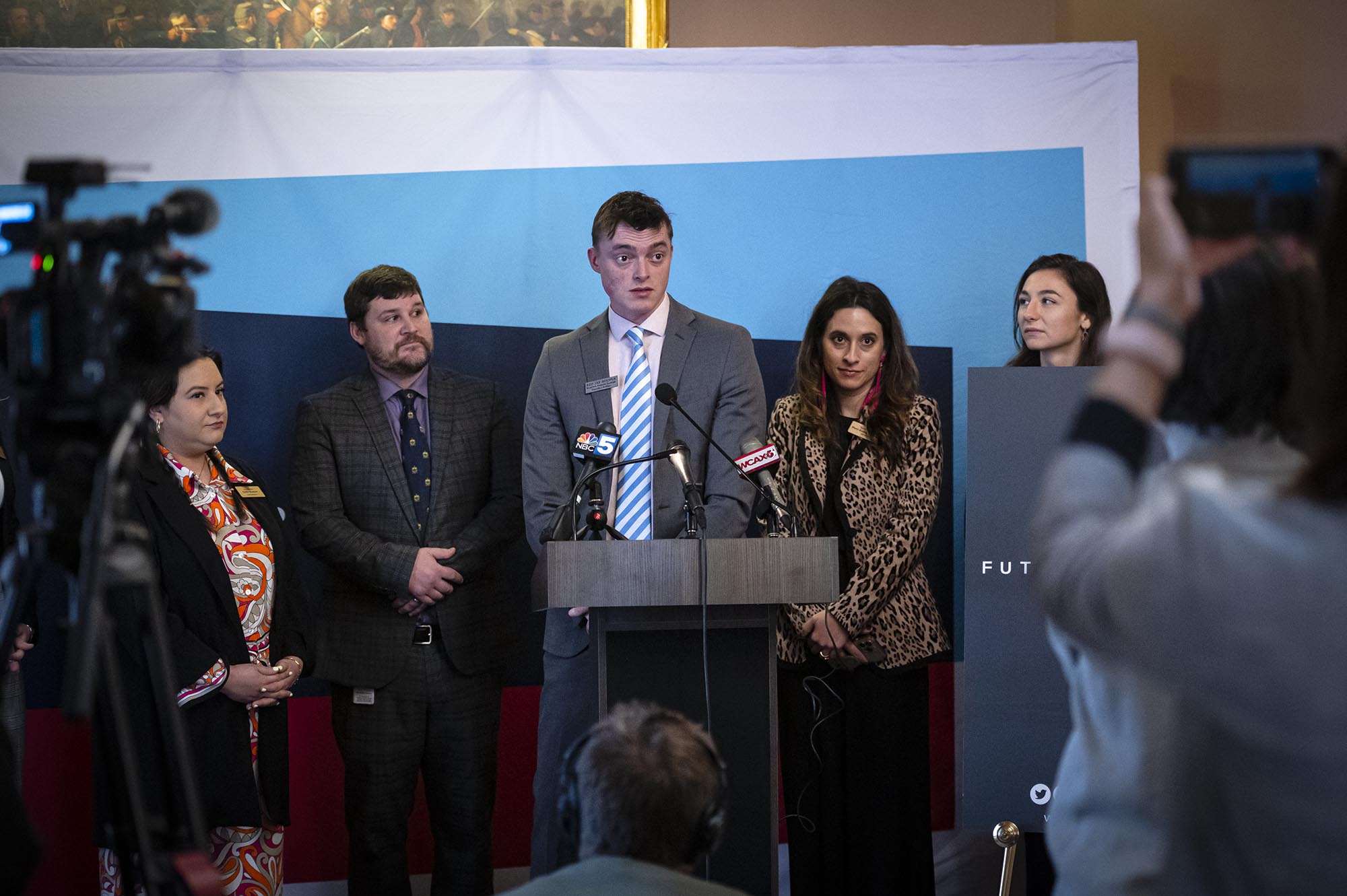
A dozen suits packed into Montpelier culinary gem Capitol Pho on Tuesday afternoon to talk shop over (complimentary) lunch. Unremarkable, you might say, except the wearers of those suits were young folks — by Statehouse standards, that is.
Vermont, meet your Future Caucus. Backed by the national nonprofit organization by the same name, Vermont’s Future Caucus is comprised of lawmakers under the age of 45 (though they’re not going to card you on your way in).
The tripartisan gaggle of lawmakers shares a goal to “tackle political polarization in order to get results for the youngest Vermonters across the state,” according to a Monday press release.
You may be wondering: Is it so notable to be young under the Golden Dome that it warrants an actual, factual caucus? Well, actually… yeah.

It is no secret in Montpelier that Vermont’s Legislature skews older. Rep. Casey Toof, R-St. Albans Town, said at a Tuesday press conference that 38 of the state’s 180 legislators are millennials or zoomers (as I hear they’re called these days). That’s just about a fifth of state lawmakers. Compare that to all Vermonters aged 18 to 44: 34% of the state population, according to a VTDigger analysis of U.S. Census data.
That discrepancy can impact the daily work of legislating, The Youths said Tuesday. “I can tell you that ageism is a daily reality here,” said Rep. Jay Hooper, D-Randolph, “and it goes both directions.”
“In a lot of cases, members who served too long become institutionally territorial,” Hooper continued. “If you think about the time it takes to pass a bill — eight or 12 years, in some cases — by the time we actually succeed, the issue has outpaced our capacity to solve the problem, and therefore the policy is largely obsolete. We, as younger members, look to try and create shortcuts so that that doesn’t happen.”

Nursing their noodles and dumplings (paid for by the national Future Caucus folks who flew to Vermont from D.C.) around a table later that afternoon, The Youngins chatted about some of their policy priorities this session. Criminal justice reform quickly emerged as a promising front on which young Dems and Rs could come together. This session’s splashy “Make Big Oil Pay” bill on the other hand…
— Sarah Mearhoff
In the know
The Scott administration hopes to stand up five temporary emergency shelters before April 1, when the expanded pandemic-era version of the state’s motel housing program sunsets. But many key decisions remain up in the air: Where will these shelters be, exactly? Who will staff them? How many beds will the shelters have – and who will get a spot?
Lawmakers grilled officials from the Department for Children and Families on Tuesday for their lack of a plan.
“I’m having a bad déjà vu feeling,” said Rep. Kathleen James, D-Manchester, during a House Committee on General and Housing meeting, perhaps flashing back to contentious debates last session. “I feel as though the administration has had ample time to get a plan in place.”
The program currently provides shelter for some 657 households — most of whom have disabilities, are families with children, or are people over 60. Even more people are staying in motels under the state’s separate adverse weather conditions policy this winter, which ends March 15.
DCF Commissioner Chris Winters told lawmakers that the state’s motel program is simply too expensive to continue funding as-is. Also, traditional shelters provide better services and outcomes for unhoused people than privately-owned motels do, he argued. Some advocates and experts point to research that suggests non-congregate settings — including motels — provide superior results.
The state expects an uptick in shelter beds in the next year, but even so, Vermont will be left with shelter spots numbering in the hundreds — and thousands of unhoused people.
— Carly Berlin
A handful of activists from FreeHer Vermont greeted lawmakers Tuesday morning in an effort to keep their concerns about building a new women’s prison front and center.
The FreeHer Campaign, a group working to end the incarceration of women and girls, has advocated against replacing the state’s current women’s prison.
“Most people are pretty on board with the idea that things aren’t working,” Jonathan Elwell, a FreeHer organizer, said of Vermont’s current prison system. Plans for a new women’s facility, though, are “not at the top of (legislators’) minds,” he said.
Tuesday’s activity was part of a week of action planned for FreeHer.The group will rally outside of Chittenden Regional Correctional Facility in South Burlington, Vermont’s only women’s prison, on Saturday.
Last year, the Legislature set aside $14.5 million in the capital bill for the development of a new women’s prison and reentry facility, which is expected to cost upwards of $70 million to construct.
The Vermont Department of Corrections believes the current women’s prison’s poor condition and outdated design “is just not meeting the needs of the women that live there now,” Isaac Dayno, who leads the department’s policy and strategic initiatives, said in an interview.
Last week, Jennifer Fitch, commissioner of Buildings and General Services, told lawmakers that the multiyear process is still on schedule, with the state hoping to narrow down possible sites for the prison before the end of the legislative session.
— Ethan Weinstein
On the move
Members of Vermont’s Truth and Reconciliation Commission are asking the Legislature for authority to limit public access to their meetings, at least in part to ensure the safety of those who testify about experiencing racism and discrimination.
A new bill, H.649, would also exempt some of the panel members’ deliberations from Vermont’s Open Meeting Law. The House Committee on Government Operations took up the legislation for the first time Tuesday afternoon.
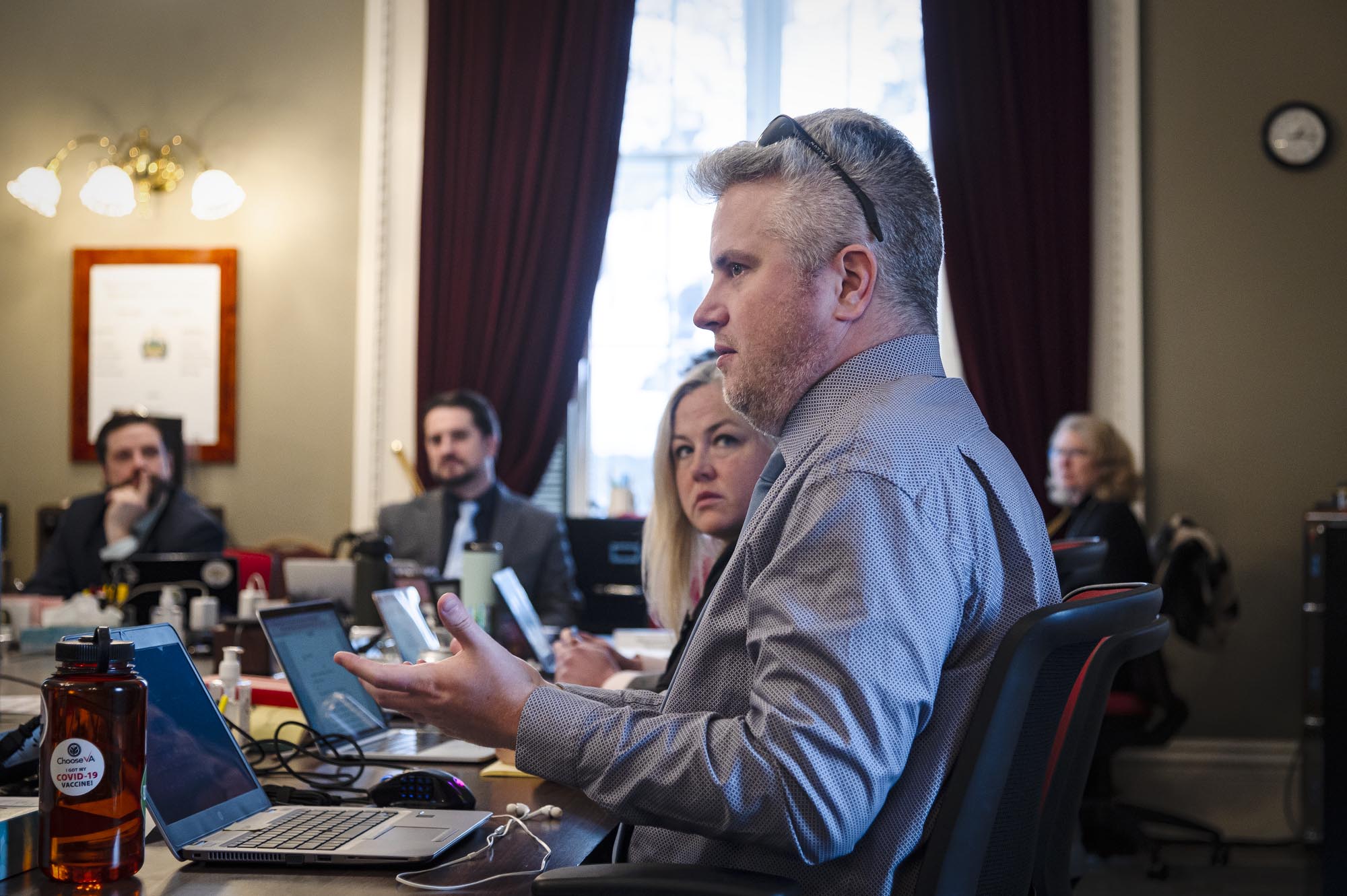
The commission is tasked with studying how racism, discrimination and eugenics have affected Vermont’s laws and suggesting ways the state government could repair those harms. Its work is focused on impacts to Indigenous, French-Canadian and Black people; people of color; and people who have one or more disabilities.
The bill’s proposed exception to the Vermont law ensuring access to public meetings drew criticism Tuesday from the Vermont Press Association.
Read more here.
— Shaun Robinson
Comings and goings
Vermont’s longtime elections director plans to leave his position for a role in the federal government next month, Secretary of State Sarah Copeland Hanzas announced this week.
Will Senning has worked for the elections division for more than a dozen years — 10 of them in charge of the office, which administers state elections and oversees campaign finance reporting and lobbyist disclosure.
Senning’s departure comes on the cusp of a busy election season, with presidential and state primaries on the horizon. Vermont is scheduled to hold its presidential primary on Town Meeting Day, which takes place March 5. State primary elections are scheduled for August and state and federal general elections in November.
“I have a good amount of time to try to set the table as well as I can for my exit, but I have full confidence in my team,” Senning said of the elections division.
Starting Feb. 12, he will be joining the Cybersecurity and Infrastructure Security Agency, a division of the U.S. Department of Homeland Security responsible for national cybersecurity and infrastructure protection, he said.
Read more here.
— Habib Sabet
What we’re reading
10 Years ago, Gov. Peter Shumlin highlighted the opioid crisis. Has Vermont made any progress?, Vermont Public
Some Vermont schools have been without potable tap water for years, VTDigger
Vermont’s congressional delegation rallies for a new post office in downtown Montpelier, VTDigger
