


Lydia Clemmons has “magical” memories growing up on her family’s working farm in Charlotte. One thing that stands out from her childhood, she said, is her father repeating “like a mantra” that the farm was going to be a foundation one day.
“We didn’t know what foundation meant. We didn’t know what he was talking about,” she told VTDigger Tuesday. Now she thinks he was clairvoyant.
Earlier this year, a nonprofit that Clemmons oversees purchased the African American-owned Clemmons Family Farm, which is known for nurturing and celebrating Black culture and community in the state.
The nonprofit, which shares the farm’s name, bought the 138-acre property for $2.5 million in April, according to Clemmons and property records. The organization announced earlier this week that it had completed an 18-month fundraising campaign to fully pay for the purchase. The final piece of funding — the sale of a conservation easement to the Vermont Land Trust and Vermont Housing and Conservation Board — was completed in October, according to Clemmons.
The sale will allow the farm to “secure both its history and its future,” it said in a press release, including as an example of an African American-owned farm in a country where systemic barriers have limited such operations.
Leslie Wells, who grew up in Charlotte and serves on the nonprofit’s board, said that’s a big achievement at a time when there is a national movement working to dismantle race-based education programs and funding.
“Our supporters recognized the way in which the Clemmons Family Farm had a positive impact on the lives of all Vermonters by celebrating differences and commonalities through art,” she said.
This year also marked another milestone: the 100th birthdays of Clemmons’ parents and the farm’s founders, who were among the first African Americans on the University of Vermont’s medical school faculty.
Jackson and Lydia Clemmons (both mother and daughter share the same name) were a doctor and a nurse who moved to Vermont from Cleveland, Ohio, according to the younger Clemmons. The couple purchased the farm in 1962 and maintained it as a working farm with space to share African American history, culture and arts for 61 years.
Clemmons, who has lived and worked in public health in 25 countries in Africa, said she returned to Vermont about 10 years ago because the family was worried about the future of the farm they had built and nurtured.
She helped create the nonprofit Clemmons Family Farm, Inc. in 2019, and serves as its president and executive director, working alongside a diverse board.
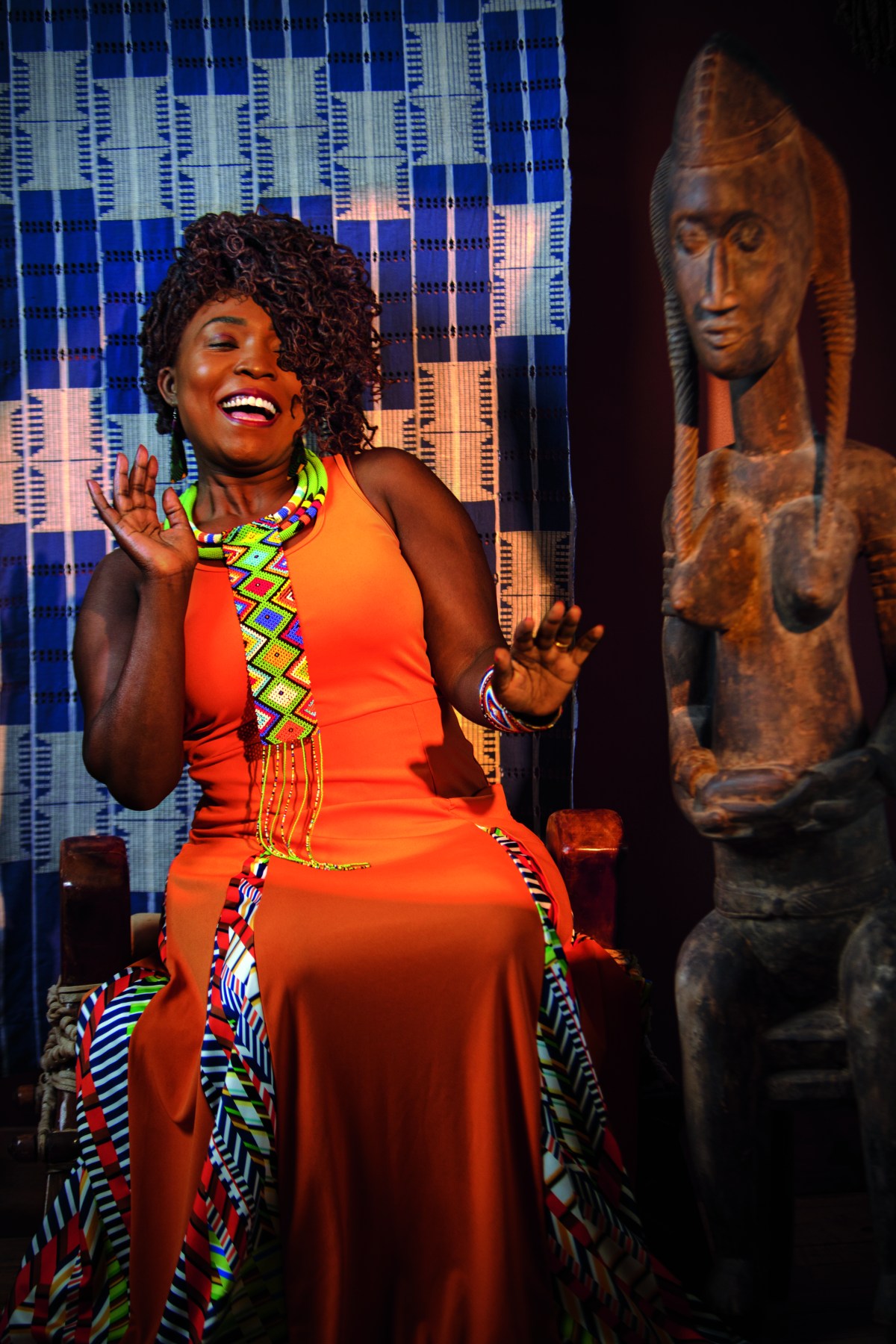
“Growing up, my parents really put a big emphasis on community,” she said. “They loved sharing the farm with their community. They’re very proud of their cultural heritage and loved people to love it … and share African American history and culture.”
The farm includes prime agricultural land, forest and wetlands with six historical buildings, according to the website, and is an official landmark on Vermont’s African American Heritage Trail.
The farm is particularly important in the context of African American history and the Clemmons couple’s personal story, including their ownership of the land and pioneering roles at UVM, said Ebonie Alexander, a founding member of its board of directors and executive director of the Black Family Land Trust based in North Carolina. The organization is one of the nation’s only conservation land trusts dedicated to the preservation and protection of African American and other historically underserved landowners assets, according to Alexander.
“It is so important to preserve the heritage that’s there,” she said, noting there are “so few” farms in the state owned by people who are Black, Indigenous or people of color.
Plus, she said, “It is not a farm that has had a lot of attention from the land grant institution or from the land trust community. And it’s in an area that is developing quickly.”
Land and federal assistance has historically been denied to African Americans in the U.S. and the gap between white and Black farm ownership remains stark. According to the 2017 data from the U.S. Department of Agriculture, African American-owned farms make up less than a half percent of all farms in the United States. And African Americans own less than 2 million acres of land across the country, down from 15-19 million acres in the 1920s, according to Alexander.
In Vermont, only 17 farms and fewer than 4,000 acres of the 1.2 million acres of farmland are owned or operated by African Americans, according to data from the USDA.
Citing these statistics, the Clemmons Family Farm nonprofit called the purchase “an inspiring national model for the preservation of Black-held land and places that hold cultural and historic significance.”
It was a quiet campaign — involving phone calls and word of mouth — at a time when the Covid-19 pandemic had strained funders, Clemmons said.
The Vermont Community Foundation contributed more than $600,000 and the Trust for Public Land gave a $100,000 grant.
Some of the funding came from the sale of the conservation easement, which will permanently protect farmland and wetlands on the property. The American Farmland Trust also contributed funding, and the nonprofit received a zero-interest two-year loan from Foodshed Capital, a nonprofit loan fund based in Virginia.
The remainder of the funding came from Vermont grants and private donations, the release stated.
