


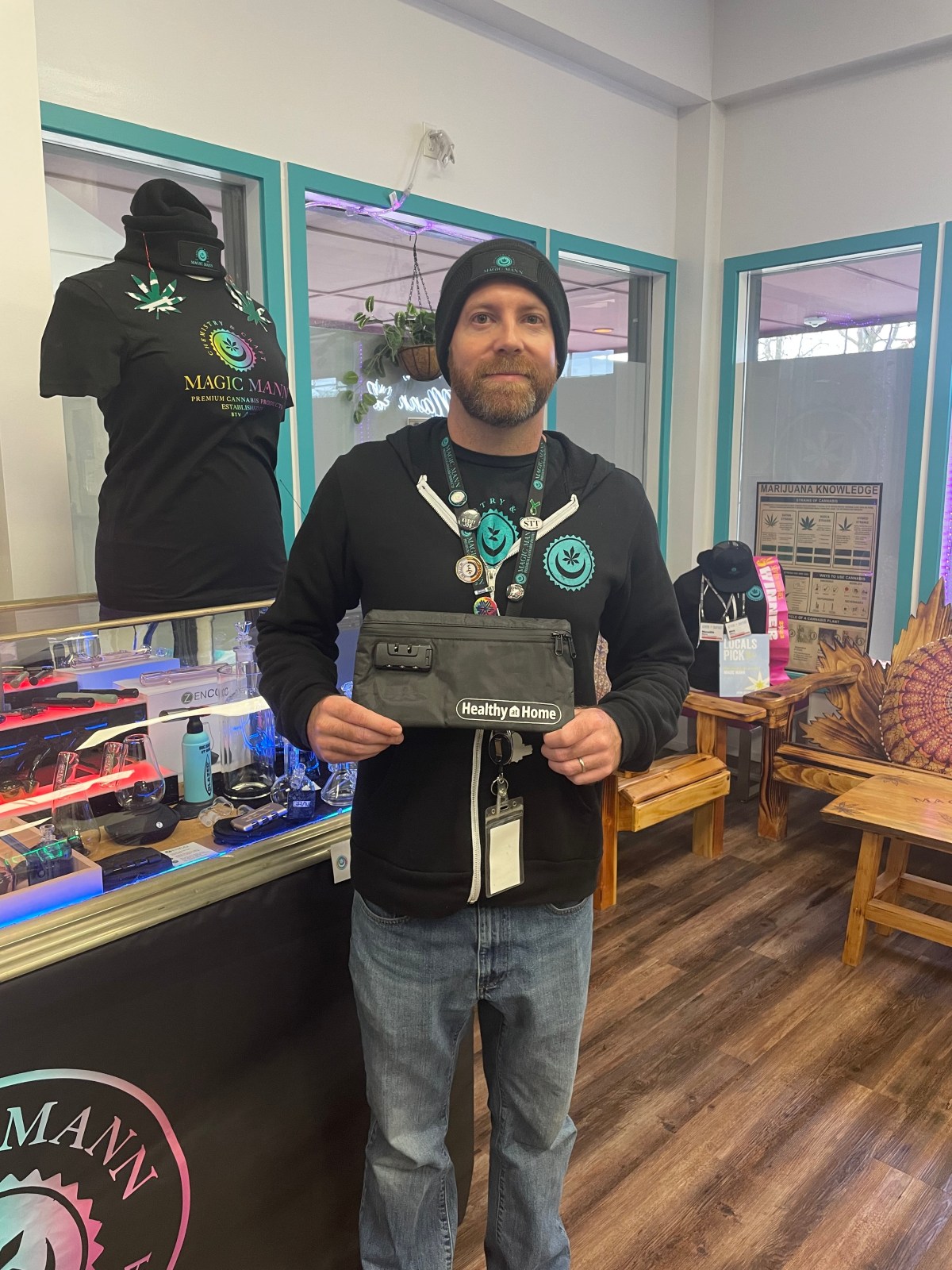
The Vermont Department of Health and the state Cannabis Control Board have launched a pilot project offering free, lockable bags to hold cannabis products and other substances.
The program’s goal is to reduce risks by providing Vermonters a secure, childproof way to store cannabis products and other potentially hazardous items.
The state has already delivered 3,000 bags to select cannabis stores, where they are available on request. No purchase is necessary to receive a bag.
“It’s critical that we safely store all potentially harmful substances, but especially edibles that could appeal to children, like gummies or chocolates,” Health Commissioner Mark Levine said in a press release last week. “These lockable bags make it harder for children to access and consume these products, potentially preventing a trip to the emergency room.”
The project comes in the wake of a recent report from the Vermont Department of Health that shows a rise in the accidental ingestion of substances and unintentional, nonfatal overdoses among children across the state in the years 2018 through 2022.
Nonfatal overdoses among Vermonters under 25 reached their peak in 2020, accounting for roughly 85 per 10,000 emergency room visits, up from 62 per 10,000 visits in 2019. In 2022, they accounted for 74 per 10,000 visits.
The possession and personal cultivation of cannabis has been legal in Vermont since 2018, and the first retailers of the substance opened their doors in the state just last year.
In 2022, cannabis was the third most common substance involved in unintentional nonfatal overdoses among children up to age 4, and the second most common among children ages 5 to 9, according to the report, which was compiled from emergency department data. Prescription medicines, over-the-counter medications and stimulants were also high on the list of substances that contributed to emergency room visits by children that year.
A cannabis-related overdose, “especially for a small child, can be really dangerous,” said Kelly Dougherty, the state’s deputy health commissioner, in an interview. “When presenting to an emergency department, children could be really lethargic, they could be vomiting, they could be nauseous, they could experience dizziness. It can just be a really unpleasant experience.”
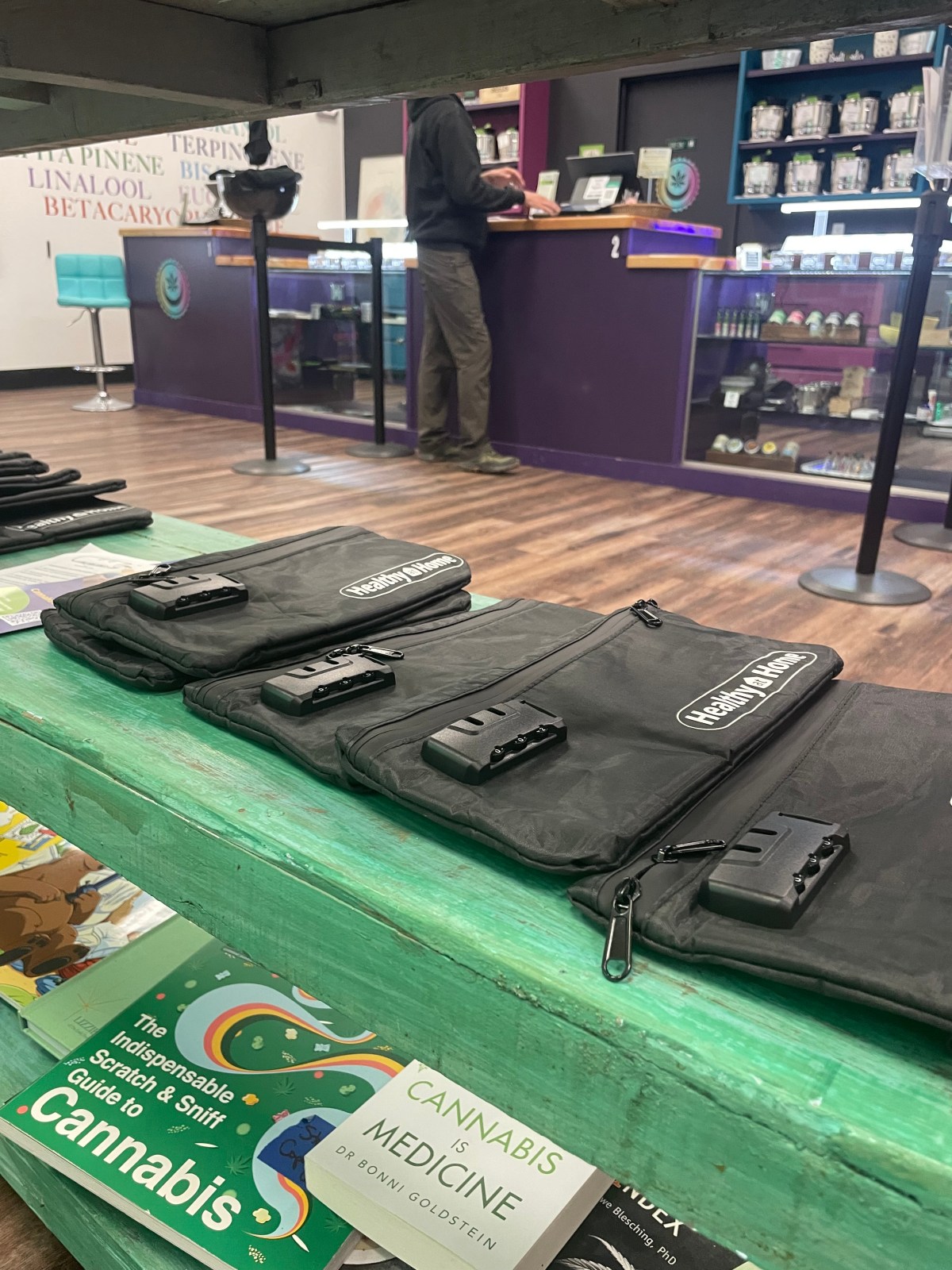
Cannabis products sold in Vermont are already required by law to come in opaque, child-resistant packaging, but the project aims to enhance security even further. “We just want to provide an extra layer of protection,” Dougherty said.
Dougherty said there are no plans to expand the program just yet. The health department wants to see how the pilot project goes before deciding what to do next.
“I think that there is potential to expand the program, depending on what the uptake of these initial 3,000 bags is,” Dougherty said. One store participating in the pilot program has already requested more bags, she said.
Correction: an earlier version of this story misidentified Kelly Dougherty.
