


This story, by Report for America corps member Carly Berlin, was produced through a partnership between VTDigger and Vermont Public.
Jordan and Momoko Antonucci had a problem. The couple own a group of Japanese restaurants at ski resorts, and as their small business grew, housing for their mostly seasonal staff had gotten harder and harder to find. Rental properties were disappearing, more Airbnbs kept cropping up, and they worried about their hiring pool dwindling as a result.
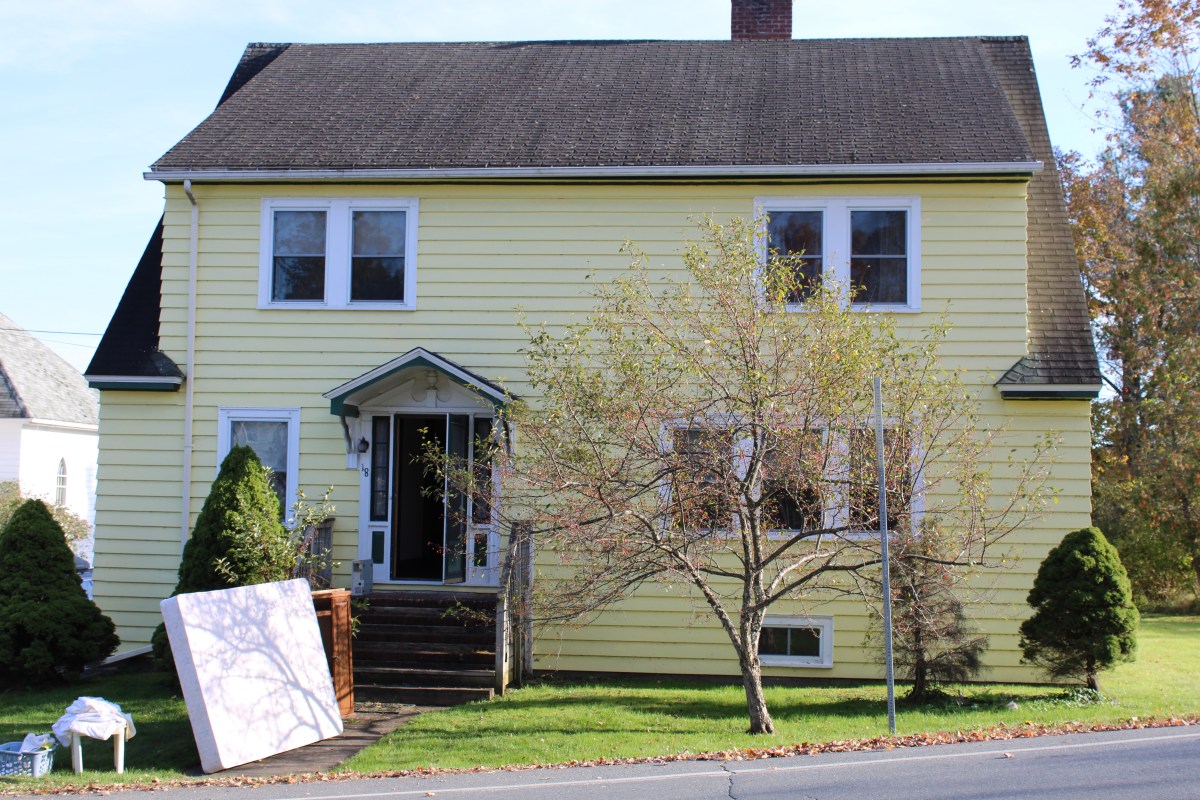
So when an old rectory in the Northeast Kingdom town of Troy came on the market this fall, just a few miles from their flagship shop at Jay Peak Resort, they decided to give it a new life – as housing primarily reserved for their employees. The Antonuccis employ around 20 people during the height of the winter season at five locations: Miso Hungry Ramen at Jay Peak and Miso Toh Kome, which operates at Jay and three other resorts.
In early October, as the couple hustled to put the finishing touches on the new staff house – adding an extra stove and refrigerator, cleaning up the six spacious bedrooms – they buzzed with excitement. The pair, who had met living in staff housing while working as raft guides in Japan over a decade ago, explained that even before it began to feel like a necessity, they had hoped to create something similar for their own employees.
“When we’re looking at the longevity of the business, and being able to support the infrastructure that we’ve built so far, we need to be able to obviously have a certain amount of employees,” Jordan Antonucci said. “Being able to offer housing – we’ve had so many more applicants than we’ve ever had this year. It’s been pretty amazing.”
As Vermont’s housing crunch has intensified, more employers have begun offering rentals to their workers. Many businesses see employee housing as an investment in their future and a hedge against the state’s workforce shortage. But with bosses doubling as landlords, complications can arise.
A new kind of business expense
Employer-provided housing is not exactly new. There was the era of company towns, of course, when a coal or lumber company built homes around its mines or mills. Migrant farmworkers have long lived in employee accommodations in Vermont, at times facing abysmal conditions and few other options.
In recent years, other industries have begun buying up or building employee housing here. The trend started “with businesses that already have that model of putting heads in beds,” such as resorts, hospitals, and colleges, said Megan Sullivan, vice president of government affairs for the Vermont Chamber of Commerce.
But as the state’s housing crisis has worsened over the last few years – with rising rents, razor-thin vacancy-rates and few homes for sale – a wider array of employers have entered the housing game.
“Whether we’re talking to manufacturers or restaurants, financial services – this is a struggle for every industry, every business, for employees at all income levels,” Sullivan said.
Employee housing arrangements can take on a variety of forms, from dorm-style rooms for short-term seasonal gigs to newly-built one-bedroom apartments for long-term jobs. The common thread is employers struggling to retain and recruit employees with so little housing available, Sullivan said. Now, some view housing as a necessary business expense.
“It means that they’re going to have employees who are available to come to work, who don’t have to drive an hour and worry about their transportation costs, worry about ‘Now, I need two extra hours of child care,” Sullivan said.
And a new state program could allow employers to help fund new housing without getting into real estate development themselves. The Rental Housing Revolving Loan Program, authorized as part of the HOME Act earlier this year, will give employers an opportunity to directly invest in housing for workers at certain earning levels.
Out of a job, and a place to live
When housing is tied to a person’s job, it can present a messy dynamic.
Daniel Shannon worked a series of jobs at the Sugarbush Resort from late 2020 through the summer of 2021. While working as a snowmaker and lift operator at the resort, he lived nearby at the Sugartree Inn, which the resort owns and operates as employee housing.
He has many fond memories from that time: He made friends with fellow resort employees from across the world, some of whom he still keeps in touch with. But his experience living in employee housing at the resort ultimately led him to leave the job, and the state.
Shannon said the inn had a number of health and safety issues: uncovered outlets, an unplugged gas line in the kitchen, and a lack of up-to-date fire extinguishers. He also said there was a large mold outbreak at the inn.
He notified the resort about his concerns, and soon after, began feeling sick. When COVID-19 and strep tests came back negative, he became convinced that the mold was the culprit.

Shannon felt that management didn’t take his concerns seriously, and became frustrated with what he described as “negligence” of the property. One day, maintenance employees came to install a dehumidifier, but Shannon felt that wouldn’t really address the root cause of the mold. He quit the job soon after.
The whole ordeal soured him on the idea of employee housing. “The actual concept of having your living tied to your job doesn’t really feel quite right,” Shannon said. “Like, I could make a mistake at work and now instead of just being out of a job, I’m out of a job and a place to live.”
If a Sugarbush employee gets terminated from their position, they have 24 hours to leave employee housing, according to John Bleh, public relations and communications manager for Sugarbush Resort.
The resort conducts regular mold checks of its properties, and recently replaced the carpet at the inn, Bleh said.When concerns arise, they’re brought to the facilities team to get resolved, he said. He also noted that a backlogged process for replacing fire extinguishers during the pandemic delayed the resort’s ability to bring in new ones.
As the resort maintains the employee housing it already has, it’s also looking to expand its options. The resort is currently undergoing the regulatory review process for several new projects that would bring hundreds of new units of employee housing online.
Last ski season, Sugarbush saw a spike in interest for employee housing: 235 workers lived in accommodations the resort either owns or leases, or participated in Tenants for Turns, a program that connects local homeowners with Sugarbush employees for housing in exchange for perks at the resort. That’s up from the season prior, when the resort housed 150 employees, Bleh said. During the winter, the resort now turns one of its hotels typically reserved for guests – a big revenue driver – into employee housing because the need is so extreme.
While Shannon came forward with his concerns, tenants who live in employee housing may feel reluctant to bring issues to their landlords, said Tom Proctor, a housing justice organizer for Rights and Democracy Vermont.
“What it boils down to – it compounds the kind of power that a landlord has over them,” Proctor said.
After leaving Vermont, Shannon moved to Utah, where he now works at a different ski resort. But he’s decided not to live in employee housing there. There had been perks at Sugarbush: He could walk to work, and rent was cheap at $425 a month. Now, he lives a half hour’s drive away from his job, and pays more than twice as much for rent.
“People can only work as much as there’s housing available”
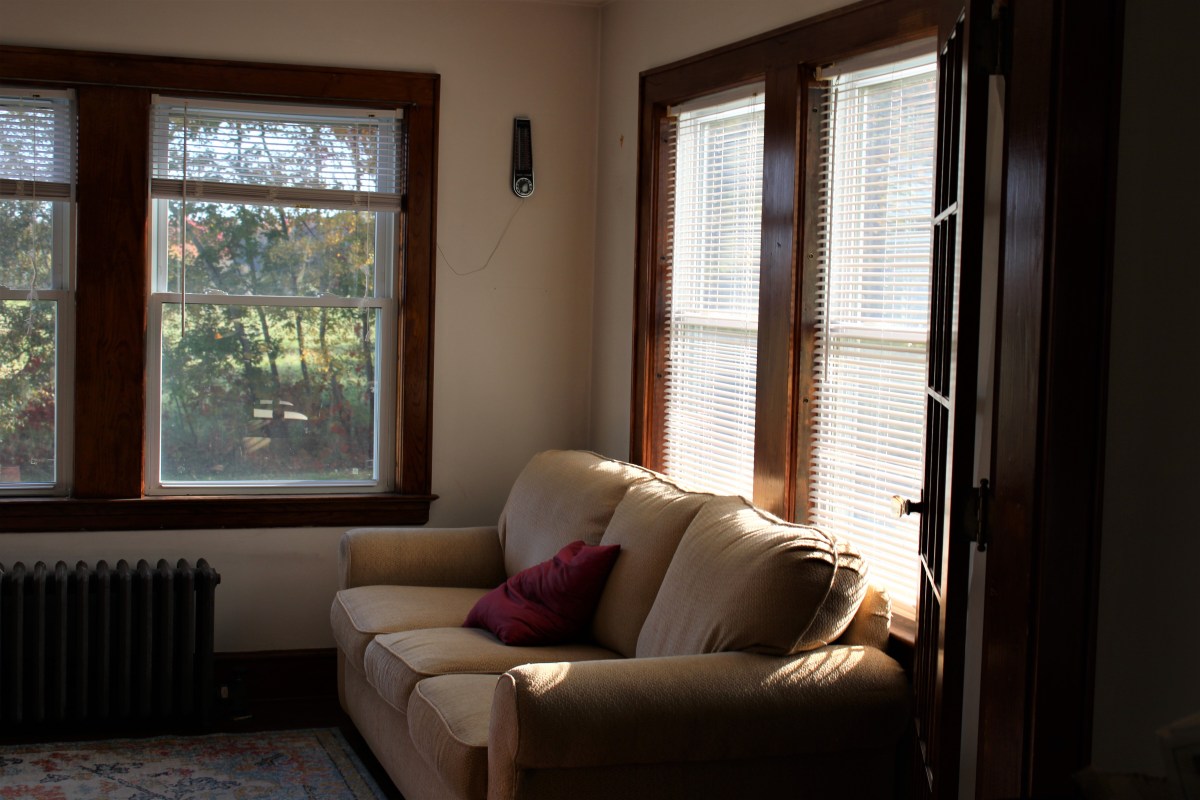
As the Antonuccis gear up for their peak season – and for their new tenants to arrive at the old rectory – they’re figuring out how to handle their new roles as both bosses and landlords.
Rent for the rooms will range from $400 to $600 a month, with six-month and year-long leases available. The Antonuccis won’t deduct rent payments from their employees’ paychecks. They’re finalizing the terms of a new employee handbook that will lay out what happens if they terminate an employee – something they’ve never done in nine years in business – who lives at the house.
But mostly, they’re optimistic about this new experiment. If they don’t fill the rooms with their own employees, the spaces could be an option for workers at nearby Jay Peak, Jordan Antonucci suggested.
“In this area, people, they can only work as much as there’s housing available,” he said. “So we’re hoping to fight back against that.”
