

This story by Aaron Calvin was first published by the News & Citizen on Sept. 28.
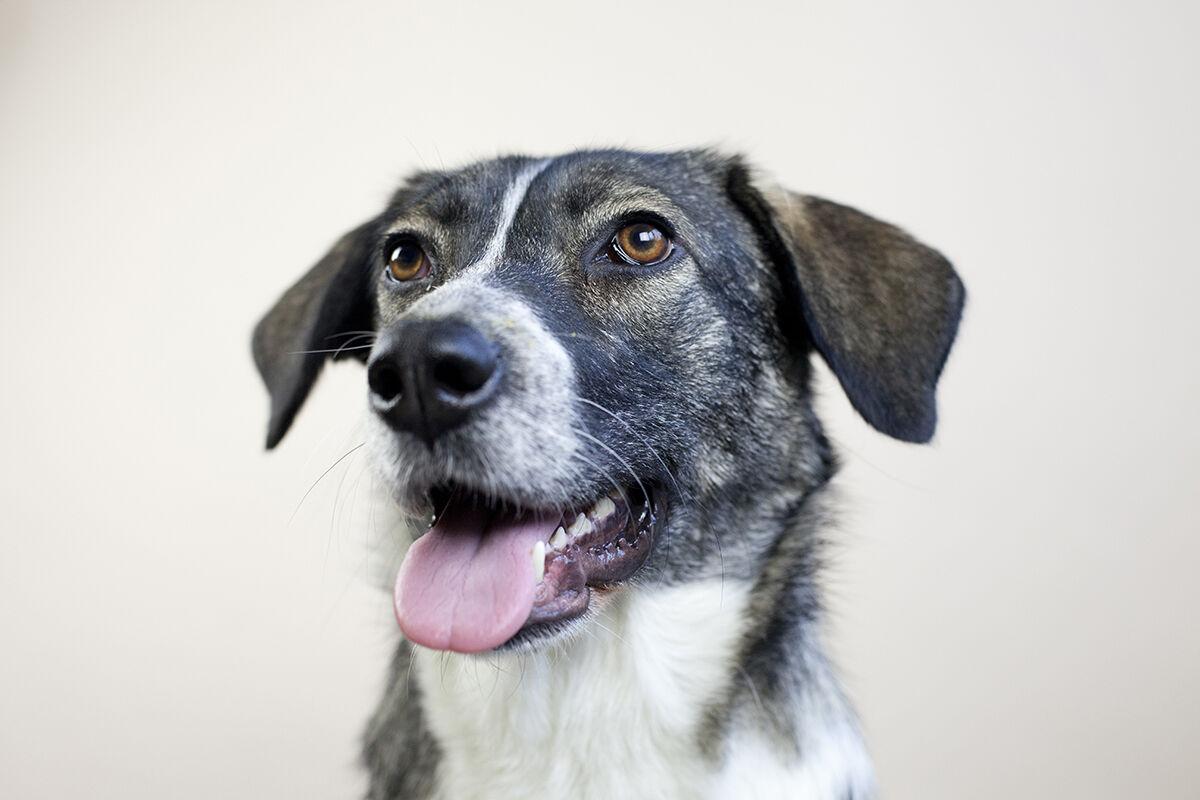
Johnson animal control officer Crystal Earle is currently boarding Jasmine, a 4-year-old American Staffordshire bull terrier or pit bull who was surrendered to her by a resident as the dog had nowhere else to go.
“A beautiful, friendly dog with humans,” Earle said. “They relinquished her due to the fact that she wasn’t good with their animals.”
While Jasmine is right at home with Earle’s 10 other dogs, the Johnson Selectboard isn’t comfortable with the idea of her bearing the burden of taking in every stray that turns up in town.
But right now, there aren’t any clear alternatives.
Jasmine had initially been taken to Lamoille Kennels, which had until recently taken in the majority of the county’s homeless dogs, but the pit bull failed their behavioral test, deeming her unsafe, and had to be turned away.
“We’re obligated to respond to any issues with dogs, whatever they may be, and not having a place to bring them for kenneling and care, whether it be a short transition or a longer stay, is really problematic,” board Chair Beth Foy said.
While a good number of the dogs picked up by officers in the course of their duties are easily reunited with their owners, many need a new home. Prior to recent changes in its policy, Earle would have taken the pit bull to Lamoille Kennels, the Morristown business that used to serve as a repository for the dogs picked up by animal control officers in Lamoille County.
The business now only accepts animals from Morristown, and even then, police must abide by a new set of requirements at the kennels. Morristown is “researching our options to see what will best fit our community needs,” according to police chief Jason Luneau.
Even though Vermont municipalities are legally liable for ownerless dogs or those willfully relinquished by their owners, animal control officers in the county are scrambling for an another home for those animals.
Animal control officers and police in Johnson, Cambridge, Hyde Park and Morristown are actively searching for alternatives now that this once essential lynchpin of municipal dog services is moving in a different direction.
The Stowe Police Department has its own kennels and confirmed that it’s currently experiencing “no issues” with kenneling dogs, according to police chief Don Hull.
The selectboards of Johnson and Hyde Park have expressed interest in an interlocal solution to the problem, while Cambridge’s animal control officer, Melissa Mitchell, is set to speak with that town’s selectboard on the issue next week, according to Cambridge Town Administrator Jonathan DeLaBreure.
“We’re trying to expand the options and think more creatively to make sure we have somebody who can provide this service to us and to somebody who can make sure that the animals are in good care, being tended to and have a safe place while they’re in a transitional state,” Foy said.
Dog problems
For years, Lamoille Kennels served the towns of Lamoille County by taking in unwanted animals, and the decision to step back from this service wasn’t made lightly.
Started in 1978 by Emery Foss and taken up by his son Jeff Foss after his death, Jason McArthur, Jeff’s nephew, and his wife, Betsy Cass, took over the business in April and recently decided they could no longer continue being the temporary home for all the county’s wayward dogs.
With young children at home and faced with a lack of employees, Cass said the facility couldn’t be staffed 24-hours. A recent uptick in dogs brought in needing veterinary care, as well as a “lack of understanding” around who was responsible for vetting the animals brought to the facility, also led to the couple’s decision.
Lamoille Kennels also doesn’t accept surrendered animals — those willingly given up by owners who cannot or will not care for them — as the animal adoption organization North Country Animal League, a frequent partner, won’t accept dogs unless their prior owners provide clear consent directly to the league.
North Country Animal League also cannot serve as an alternative to Lamoille Kennels. It will only consider taking dogs that are well-behaved enough to be adoptable or potentially trainable for adoption due to its facility’s limited space.
“We understand the need for there to be a place these animal control officers can take the animals, and we want to be able to be there. We want to be able to help as many animals as we can, but it has to be on a case-by-case basis,” Director Jacques Du Preez said. “If we have the capacity, and the animal is adoptable, we will absolutely help if we can.”
Du Preez said that any dog owner who feels they must give up or abandon their pet should first consider some of the assistance the animal league offers such as its pet food pantry, monthly health clinics for low-income pet owners and other programs for families struggling to keep pets in their homes.
To Cass, the inability of kennels to meet all the needs of town’s legally mandated responsibilities for animals is an issue the state and lawmakers need to grapple with.
“I did try to get in touch with people on the animal cruelty board, to find out what the laws were around humane officers and things like that are,” Cass said. “I think it’s a problem that our state is going to see grow, because we do have a lot of dogs in our state that are not properly cared for.”
Community solution
As the kenneling issue is affecting the entirety of the county, some, like Hyde Park Selectboard member Susan Bartlett, are hoping for a countywide solution.
“This is where a county government would be a great thing to have,” she said.
Bartlett’s proposal: Towns affected by Lamoille Kennels change of policy should band together to find someone who has a heated space to host the dogs picked up by animal control officers, with some monetary assistance from the towns to cover startup and maintenance costs.
By getting the word out about the towns’ dog problems, Bartlett hopes a willing individual will step forward.
“There are not always going to be dogs there, and sometimes there will be a bunch of dogs there, but somebody could take it on as side business,” she said. “Somebody that may already have animals that they have to take care of several times a day, whether it’s cows or goats or horses or sheep, this might be a nice little add-on that somebody could do.”
Foy said Johnson is looking for someone to step up, with or without the cooperation of other towns.
“If it is something that’s feasible, maybe there’s some way we can support them in applying for grant money or potentially providing,” Foy said.
