


GLASTENBURY — This southern Vermont township, with a population of five, has received around $1,400 a year in new funding from the federal government since 2022. It’s a negligible amount to some municipalities but, in Glastenbury, it’s 6% of town revenue for the past two years — money used to pay for public services such as road maintenance and trash collection.
Town Supervisor Rickey Harrington had asked to have those federal dollars redirected from the Bennington County government to Glastenbury. About 96% of the town’s land area — 27,000 acres — is national forest, and for decades, the U.S. Department of the Interior has sent payments locally to offset the lost property taxes on the nontaxable federal woodlands.
Harrington, the state-appointed town supervisor since 2003, pushed for the payment reapportionment. He concluded not only that Glastenbury was losing out on funding, but also that Bennington County officials weren’t acknowledging the township’s financial contribution to the county.
What Harrington didn’t foresee were the unintended consequences of his request: the federal department’s payments directed to Glastenbury became a fraction of what Bennington County had received.
“They have a formula that’s based on not the number of acres. It’s based on the number of people who live in the town,” Harrington explained. “In this case here, it’s really a travesty, when you really think about it. That’s a lot of land that doesn’t pay taxes.”

Instead of receiving the $76,600 that Bennington County was expecting in 2022, Glastenbury got $1,384. This year, the township received $1,483.
And Bennington County towns have had to finance a bigger share of the county budget to make up for the lost federal dollars.
“It kind of backfired,” Harrington, 70, said in an interview. “I feel, actually, a little bit, maybe, guilty.”
Between February 2021 and January 2022, the Bennington County government received $61,000 from the Department of the Interior for what are officially termed “payments in lieu of taxes” on Glastenbury land administered by the U.S. Forest Service. These federal dollars made up a tenth of the county budget that fiscal year, and the money helped run the sheriff’s department and pay the salaries of county personnel.
The county was expecting to receive $76,600 the following fiscal year for the national forest in Glastenbury, according to its budget records, but the money didn’t arrive in 2022. County officials later learned that the payments had been redirected to Glastenbury.
“This is a huge hit to our revenue,” Bennington County Assistant Judge Mary Frost said in an email. “The County was not aware of the withholding of these funds until late summer of 2022.”
She said county officials then curtailed spending that year so they wouldn’t go over budget. But the permanent loss of the federal dollars — which Frost said Bennington County had been receiving for more than 25 years — resulted in increasing local municipalities’ share of funding to support the county government.

Between February 2022 and January 2023, when the county last expected to receive the federal payments, the towns’ share of the county operating budget was $468,800. That was 80% of the year’s total county budget of $583,000, financial records show.
Now, town taxes make up 84% of the county budget: $480,000 of the total $571,000.
With the towns’ grand list as part of the equation, the actual change in the county’s tax bills that went to 19 local communities ranged from an increase of nearly $5,000 in Winhall to a decrease of $1,200 in Pownal.
Those bills are paid through property taxes, according to town officials in Bennington and Manchester, which receive the highest tax bills from the county government.
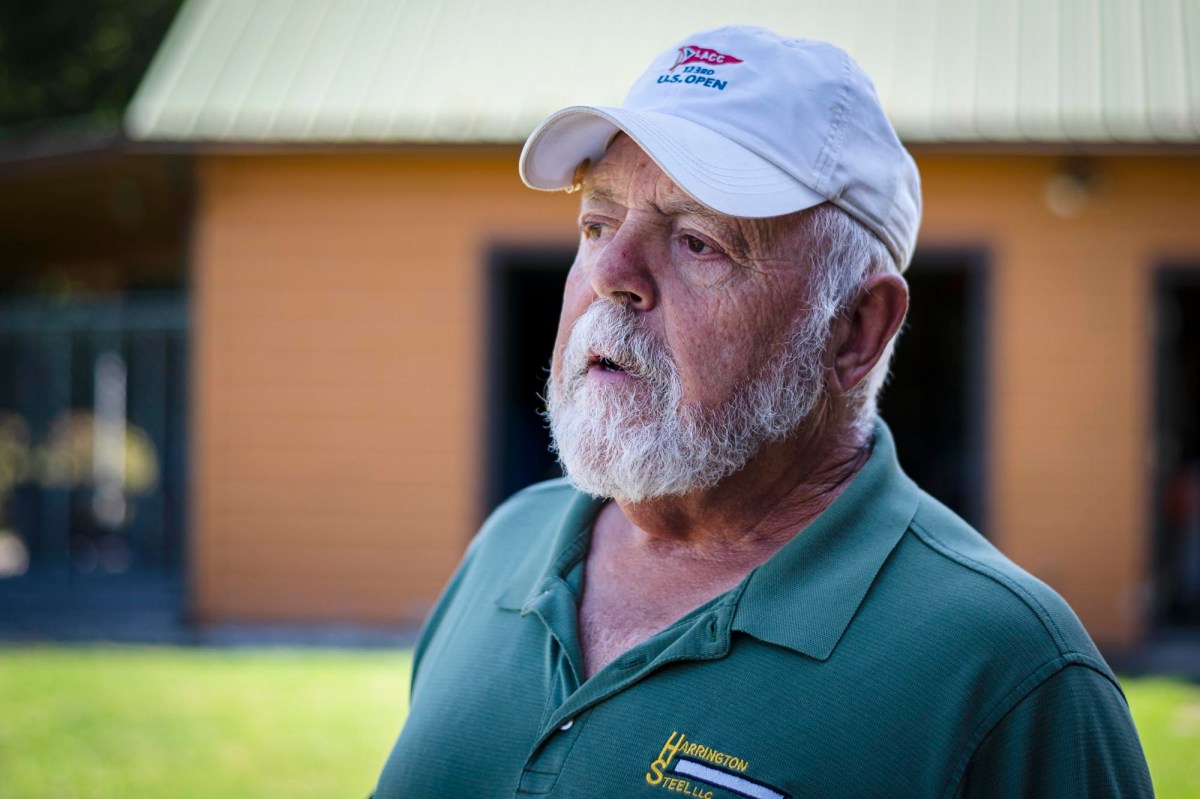
When asked whether Harrington wanted to undo the new system he inadvertently put in place, he said no, that it was ultimately the right one.
“The bottom line is that Glastenbury, they’re the ones with all the land,” he said. “They’re the ones who should be getting the payment from the federal government, not Bennington County.”
