


While spikes in pet adoption have slowed since the start of the Covid-19 pandemic, Vermont’s veterinary care system continues to struggle to recover staffing in its hospitals and find a path forward that serves workers and pet owners.
Staffing shortages have long troubled the veterinary industry and show no signs of letting up. In recent months, more hospitals have shortened their hours or opened waitlists for new clients.
Burlington Emergency and Veterinary Specialists, or BEVS, in Williston, the state’s only 24-hour animal hospital, has maintained the triage system it began during the pandemic to manage incoming patients.
The challenges reflect a nationwide crisis, fueled by an increase in pet ownership and by the departure of veterinary health workers during the pandemic, some of whom pivoted to different industries and others who retired.
By 2030, the U.S. will need an additional 41,000 veterinarians and 133,000 veterinary technicians to meet the health care needs of the nation’s pets, according to a report by Mars Veterinary Health.
‘Emergency vets are overrun right now’
The demand for 24-hour veterinary care facilities like BEVS is high among some pet owners who live outside Chittenden County.
“Why doesn’t central Vermont have an emergency vet clinic?” asked Robyn Steward, who lives in Northfield with her two pugs and a constant stream of foster animals. She said she’s grateful for Vermont’s veterinary workers and sympathetic to the strains emergency veterinary medicine places on its providers.
“They’re lifting and hoisting and getting bit and pooped on and puked on and peed on,” she said. “They’re on their feet from the time they arrive to the time they leave. I mean, it is not for the faint of heart.”
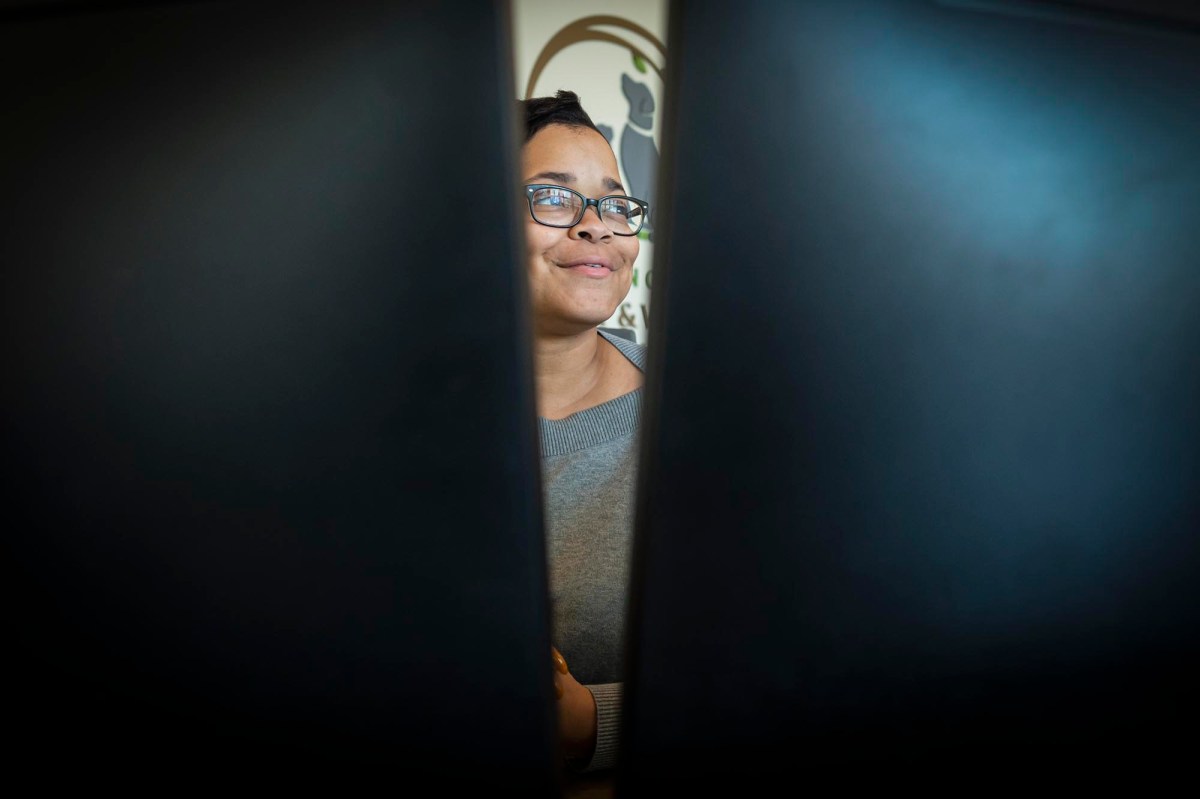
To Steward, the issue is not about quality of care but rather accessibility — particularly in an emergency.
“We need more urgent care in our state,” she said. “We love our animals here.”
Newport resident Shelley Moench-Kelly agreed, as she recalled a day in 2021, when her bulldog Sherman died on the drive to the nearest hospital, which was in Lebanon, New Hampshire.
“I didn’t want him to die in distress,” she said. The vet clinic where Sherman was a regular had turned them away because it was nearing the office’s 5pm closing time, she said. Their only advice to her was to try BEVS or the hospital in Lebanon, both a two-hour drive away.
Vermont is known for its animal lovers. One American Veterinary Medical Association survey found that in 2016, 70% of Vermont’s households owned at least one pet, the fourth-highest rate in the country, which suggests the state has at least a quarter of a million pets.

According to the Office of Professional Regulation, Vermont has 653 actively licensed veterinarians. But only one of Vermont’s veterinary hospitals is open 24/7 — BEVS. Out-of-state options for 24-hour veterinary hospitals include Small Animal Veterinary Emergency & Specialty in Lebanon, New Hampshire, and Veterinary Emergency & Specialty Hospital in South Deerfield, Massachusetts.
Cat Belanger, a cat owner in St. Albans, remembers calling animal hospital after animal hospital outside of regular hours, struggling to find an emergency vet who would accept her cat.
“The reality (is) that all of these emergency vets are overrun right now,” she said.
The nearest emergency hospital is a 45-minute drive from her house, she said. “Depending on the emergency, my animal might not make it,” she said. “I know that’s not a unique situation for Vermonters unless you’re right in Burlington.”
‘There simply isn’t the manpower’
Many animal clinics in Greater Burlington ended on-call services when BEVS opened almost 25 years ago, said Dr. Erin Forbes, a veterinarian at Mountain View Animal Hospital in Essex Junction and communications officer of the Vermont Veterinary Medical Association.
In rural areas, on-call services were likely curtailed during the pandemic, Forbes said.
Though she saw the end of on-call services in many hospitals as a positive change for veterinary staff, Forbes said she understands the plight of Vermonters who wanted a 24-hour veterinary hospital closer to where they lived.
“There simply isn’t the manpower,” she said.
At BEVS, multiple vacant positions have gone unfilled, and that has hindered the hospital’s ability to handle cases, according to Whitney Durivage, the hospital’s director for the past 14 years.
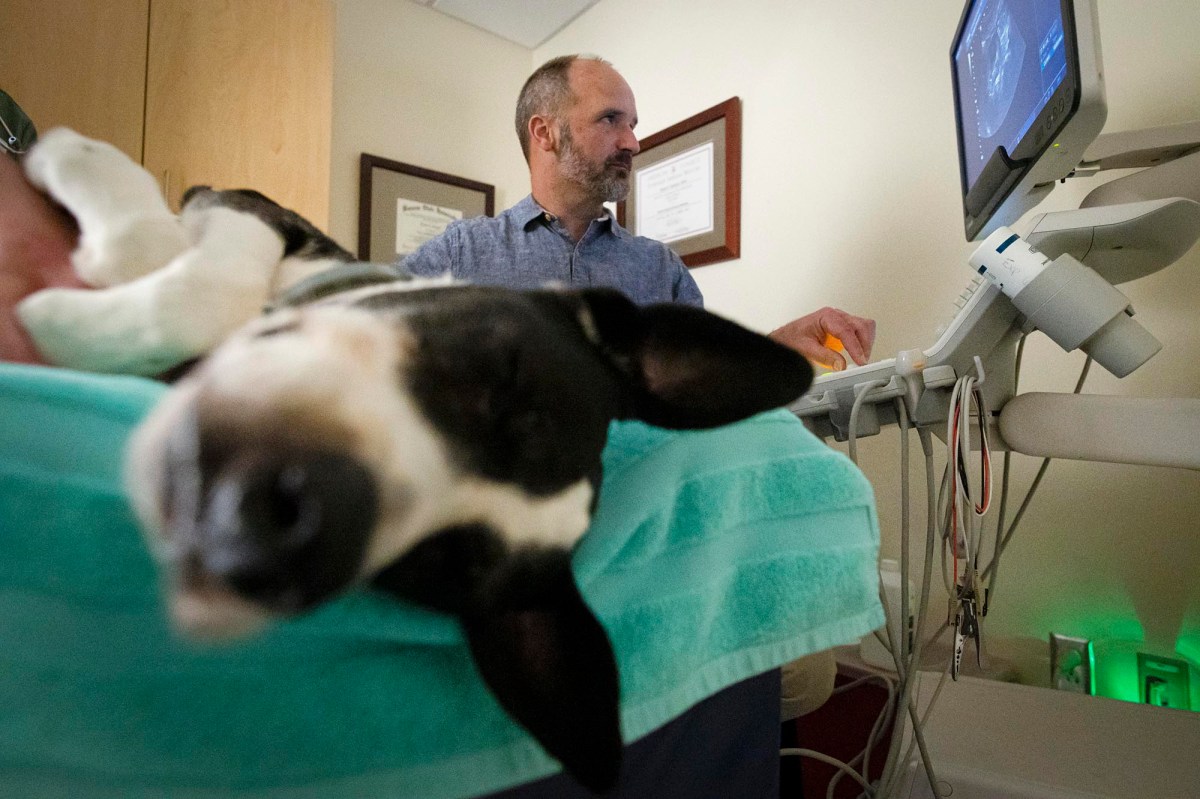
“We have a standard in place for how many cases we can manage per doctor and veterinary technician. So if demand goes outside of that, we have to turn cases away,” Durivage said. “We bump up against that number, you know, multiple, multiple times throughout the week, and we never take the decision to turn people away lightly because we know some people can’t travel.”
With the hospital’s triage system, some patients face hours-long wait times, while others may be diverted to hospitals out of state. But the system allows the hospital to manage its caseload, prioritize the most critical cases and manage pet owners’ expectations, Durivage said.
Turnover has always been high in the industry — a national average of 23% per year, according to a 2020 survey conducted by the American Animal Hospital Association. But the new veterinary technicians and veterinarians who traditionally filled those vacancies are now noticeably fewer.
BEVS is hiring for positions that range from client care coordinators — jobs that Durivage said were historically easy to fill — to veterinary technicians and ER doctors.
“We’ll probably be hiring for the foreseeable future,” she said. “It’d be nice to get to a point where that isn’t the case, but for now and for the last couple of years, it certainly has been.”
There are myriad reasons hiring is a challenge, including housing and the cost of living in Chittenden County, and other industries in the state face the same conundrum.
Heather Doloff, a former veterinary technician and receptionist at Bristol Animal Hospital, Peak Veterinary Referral Center and BEVS, said that veterinary technicians leave because of the grueling nature of their work, incommensurate pay and verbal abuse from pet owners.
Even after accumulating 16 years of experience, Doloff was making $16.25 an hour.
“You’ll have people who come in and say, ‘all you care about is money,’” she said of some pet parents she encountered. “And let me tell you, saying that to a veterinary professional is the worst slap in the face.”
But Durivage saw the pandemic as a turning point for how people looked at work. Employees who quit during those years did so for a variety of reasons, including concerns for their family’s health, she said. But in others, “we noticed a shift in what people wanted as a work experience, so meeting that expectation is, all of a sudden, different.”
That mindset shift has prompted new questions for Durivage.
“How do we make the work experience for people different and more sustainable? How do we cater to the needs of clients who don’t want to have to wait for things?” she said. “It’s really trying to juggle how the two merge together. All of that has shifted.”
Durivage said she is optimistic that answers may emerge from the increasing corporatization of veterinary care.
“Hopefully, when you scale to that size with a corporation, staff are able to get better benefits and good wages, and (can) turn a job into a career, so to speak,” she said.
In the short term, however, Durivage recommended pet owners get pet insurance and trust their instincts when it comes to bringing their pets in. As with human health care, she added, “we can’t give medical advice on the phone.”
Correction: An earlier version of this story incorrectly stated where Mountain View Animal Hospital is located.
