


Updated at 4:23 p.m.
As temperatures in the state climb toward 80 degrees for the first time this year, many Vermonters may be eager to celebrate the end of winter with a paddle or swim on a nearby river, pond or lake.
“Longer daylight, strong sun and warmer temperatures of early spring in the North Country entice folks to begin exploring outdoor activities,” said Capt. David Petersen, commander of special operations with the Vermont State Police.
But according to officials, the warmer weather of early spring can be deceptive.
Although air temperatures are quickly on the rise, waters remain frigid for much longer, with surface temperatures on Lake Champlain currently ranging from 38 to 42 degrees, according to Scott Whittier, warning coordination meteorologist with the National Weather Service of Burlington. Other bodies of water, including rivers, ponds and smaller lakes, are even colder, Whittier said.
This poses a risk to folks who may be eager to dust off their kayak or canoe this week, since immersion in water below 50 degrees can lead to hypothermia within a matter of minutes, quickly becoming life-threatening, according to state and federal agencies.
“Water conducts body heat away up to 25 times faster than air of the same temperature,” according to a press release from the National Weather Service, U.S. Coast Guard, the National Oceanic and Atmospheric Association, the Vermont Department of Health and state police. Because of this, “cold water rapidly causes extremities to become numb, weakens the ability of muscles to work effectively and eventually lead to hypothermia.”
Instances in which people fall from canoes, kayaks, paddleboards or boats can be especially dangerous and have led to several deaths in recent years, according to officials.
“Swimming in these cold temperatures is one thing, if access is via walking into the water,” Whittier said. “The tragedy comes from those getting into (falling into) the cold water from offshore in water over their heads.”
“If you’re suddenly immersed in cold water, you can get cold water shock, (losing) dexterity in your limbs and control of your breathing,” said Maureen Hastings, meteorologist with the Burlington National Weather Service. “That’s what’s really dangerous.”
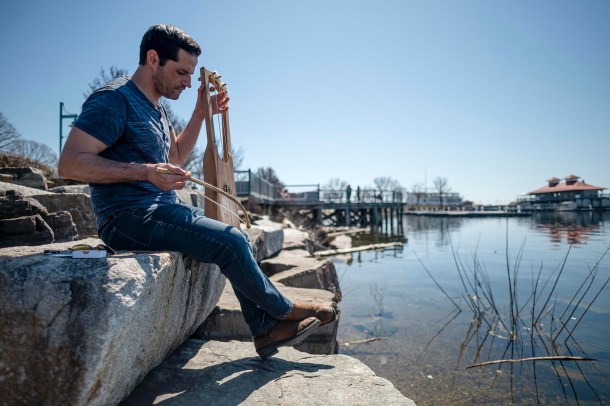
Wearing a personal flotation device, such as a life jacket, can significantly increase one’s chance of surviving in the case of an accident or unexpected capsize, helping the body to stay afloat long enough for a potential rescue from first responders, officials said.
“Regardless of the weather forecast,” Petersen said, “outdoor enthusiasts should always be prepared for the unexpected. Minor inconveniences can quickly turn into life-threatening emergencies if people are caught unprepared.”
However, the most effective way to prevent hypothermia in early spring, officials say, is to stay off the water for just a little longer until water temperatures have a chance to rise.
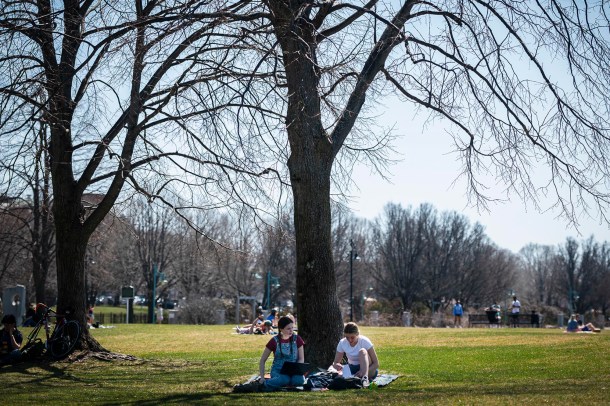
“It would be a great day to go out to do any kind of walking, hiking, biking or even walking along the shoreline,” Hastings said.
As temperatures reached an afternoon peak in Vergennes on Thursday, Andrea “Lady” Brien, front of house manager at Black Sheep Bistro on Main Street, opened a retractable awning over the restaurant’s front patio. Just down the hill, the Otter Creek glistened in the sun.
“It might feel like it’s warm outside, but the water is definitely not warm enough,” Brien said. “I’d say to get your hose out, and get your kitty pool. If you’re gonna go (in the water), that’s the way to do it.”
