


Editors’ Note: This winter the Underground Workshop tried a new format, the Sunday Update, seeking student commentaries on local issues. We heard from just a few students, and (at least for the rest of this school year) the Workshop is stepping back from the Sunday Update format. We are proud to publish today’s story, which came to a Thursday Workshop for feedback earlier this winter, and we’re eager to work with any student journalist seeking to publish for a statewide audience. Please email undergroundworkshop@vtdigger.org to connect with our team of student editors.

“A place that I call home, but not a place where I can live” : Blind Vermonters, public transit, and the struggle for independence
by Piper Rolfe
Piper Rolfe grew up visually impaired in Kirby, Vermont, and is currently a junior at UMASS Boston. Like the other students profiled in this article, she remains connected with Vermont’s visually impaired community and receives support through Resource Vermont’s LEAP program.
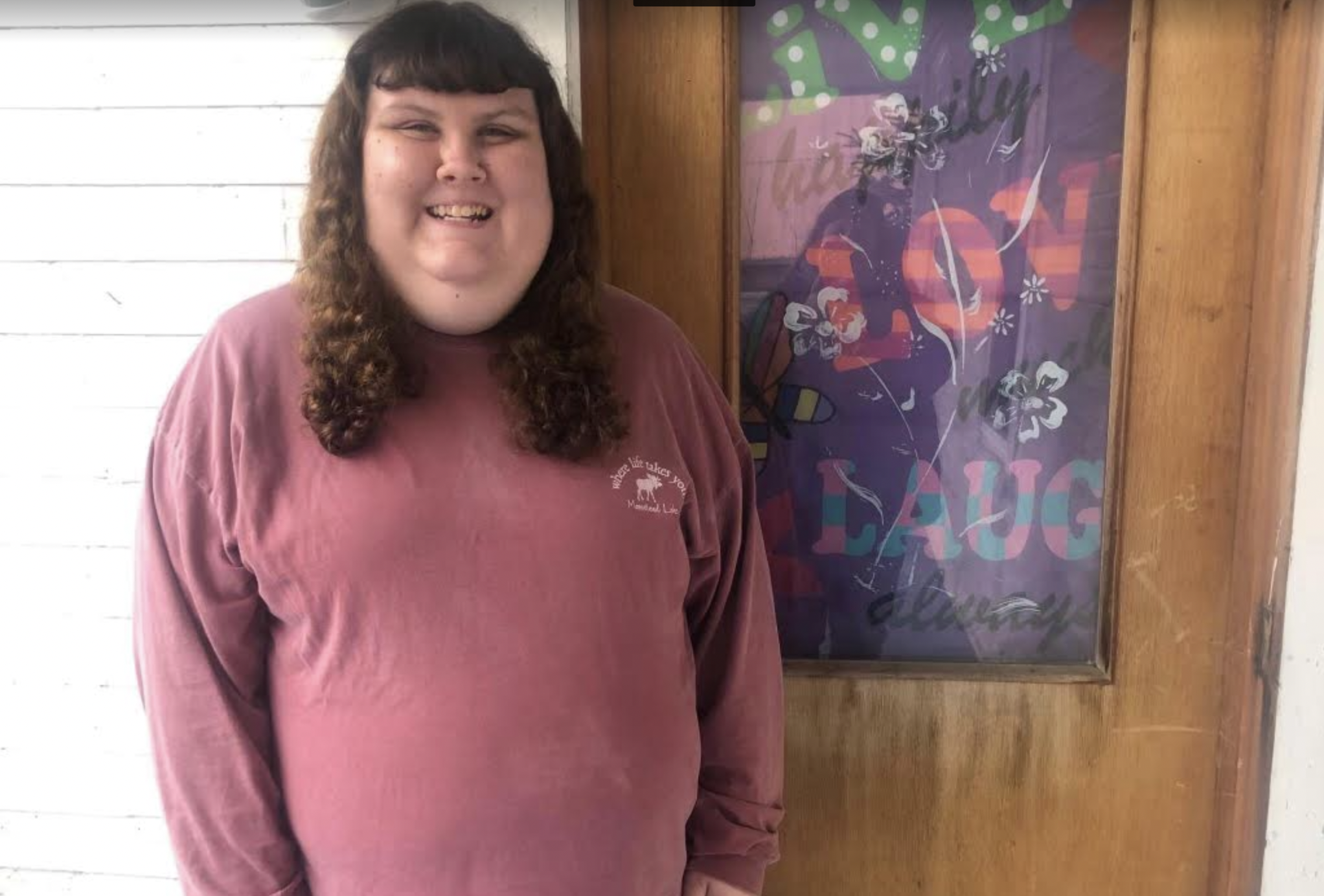
Kylee Tracy, 22, recently moved into her own apartment in rural Beecher Falls, Vermont. She is within walking distance of a couple of restaurants and stores, and can do some errands, like going to the post office independently, but she still has to rely on others for daily living tasks because of the lack of public transportation. Kylee is visually impaired. She can not drive like the majority of Vermonters to get where she needs to go.
Kylee likes to cook pork chops, steak and salad, but has to ask her parents for rides to the grocery store and other places everyday. As she has grown up Kylee has become more independent with her vision loss but says it is discouraging having to rely on others so often. She worries she is asking her family for too much. She has been pushing herself to do more on her own and use her cane more in public but she says it is intimidating.
Kylee wants to explore walking trails, stores and new places without having to rely on her family or friends to do it. Blind Vermonters have always faced the challenge of having to rely on others even when they want to be independent because of the lack of public transportation.
There are many blind or visually impaired Vermonters who share Kylee’s challenges. To address them the Vermont Division for the Blind and Visually Impaired works to help blind Vermonters find employment and live independently. They support people to get job training, job experiences, and independent living skills.
Fred Jones, the director of DBVI, is visually impaired himself, so he knows what it is like trying to find reliable transportation in Vermont. Director of DBVI for 21 years, Jones was previously a teacher in Cabot. He had a hard time finding transportation to Cabot from Worcester, where he lived, which was a 45-minute drive.
When Jones got the job, he went to the principal and asked to get to know the other faculty to try and set up a carpool. He found coworkers who lived close to him who helped him get to work every day for five years. Jones says this is one way he has been able to get around Vermont over the years, through networking and relationships. He says transportation is still one of the biggest issues facing blind and visually impaired Vermonters.

Alek Wolfe grew up in Saint Albans. He is used to using his cane, and has had orientation and mobility training in order to learn how to navigate new environments. Orientation and mobility training is how most blind or visually impaired people learn navigation and independent living skills, like how to use a cane, cross streets, use GPS and learn routes to school, work or the grocery store. Orientation and mobility teachers teach blind people these skills along with how to cook, clean and live independently without vision.
As a senior at Northern Vermont University in Lyndon, Alek is comfortable traveling independently and walking around campus and in Lyndonville. But he acknowledges that it depends on how much training a visually impaired person gets to feel comfortable in a town like Lyndon. Alek does say he can get overwhelmed navigating new places, especially when there is a lot of traffic.

“I think every person is going to have that fear, of ‘how do I navigate a new route?’” he said. Like Kylee, Alek often has to catch rides from friends to get around town. He hopes to stay in Vermont once he graduates, but he knows it will be hard finding a job, so he will take what he can get, even if it means he has to learn a new town with its own transportation challenges. Alek is studying broadcast digital journalism and wants a career in radio as a producer or audio personality.
Many blind Vermonters have to make a choice between staying closer to home in rural areas with little resources and transportation options or trying to move to cities. Una Fonte described her hometown of Ferrisburgh and the challenges she faced there.
“My house is a 45 minute walk to the bus stop. If you want to get to Burlington, the bus runs at 6:20am, if it feels like it. And roughly four o’clock in the afternoon, if it felt like it,” she said. “There’s been several occasions where I was able to get a ride at 6:20, get the bus to Burlington and then have to call and be like, ‘Hi, the bus didn’t show up. Can someone please pick me up?’ Because I can’t drive. And so it was very small and rural and isolating.”
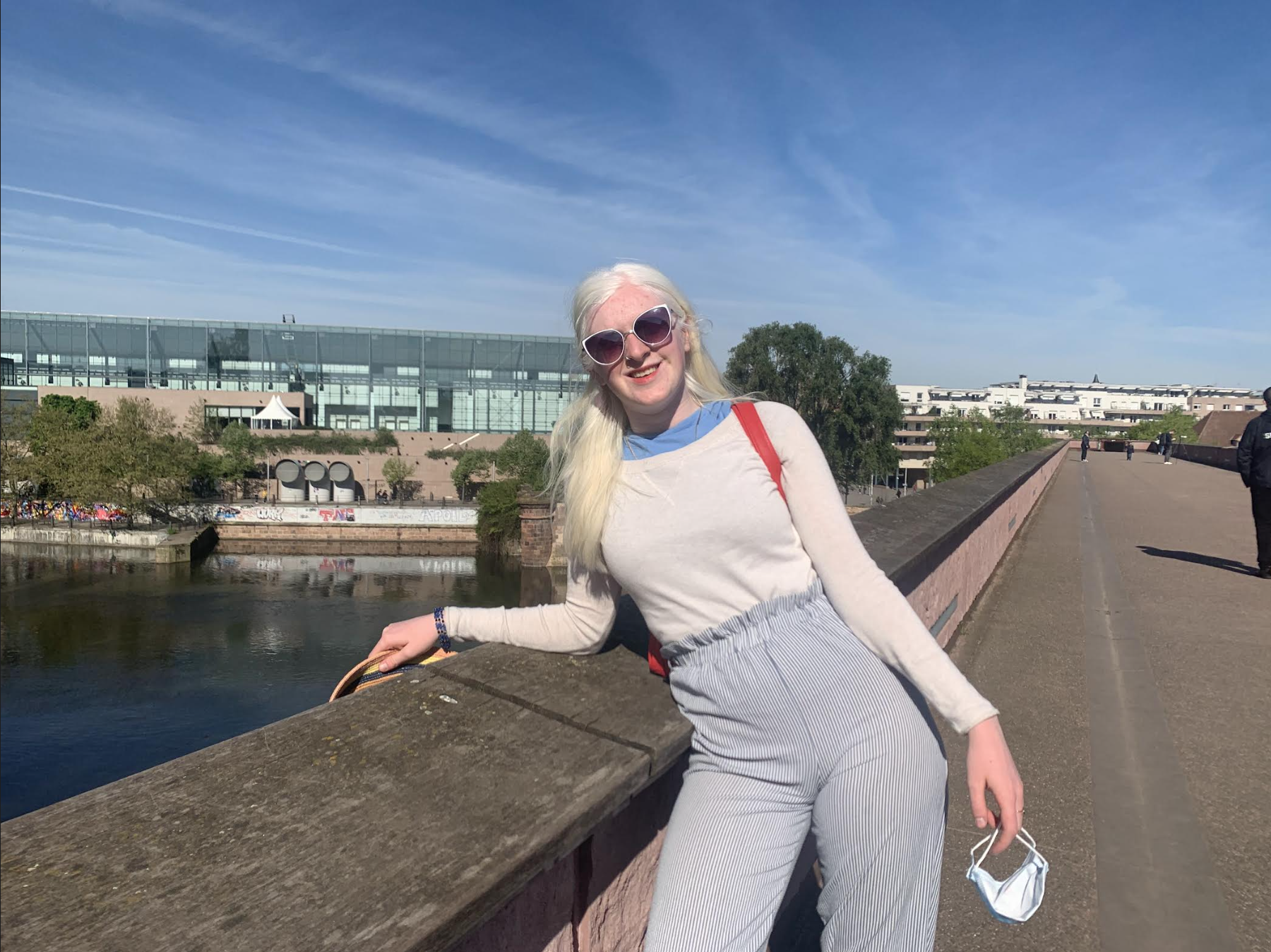
Una is now a student at Smith College, studying environmental science. Her experience growing up in Vermont being visually impaired and dealing with inconsistent transportation contributed to her passion for public transportation from an environmental perspective, as well as access for visually impaired people.
Una loves Vermont but says she plans on living outside of the state for the near future, in places with better transit.
“The Green Mountains are carved into my heart,” she said. “They’re a place that I call home, but not a place where I can live.”
