

East Montpelier’s annual town meeting agenda usually features as many things to chew over as the lunchtime potluck. But not this pandemic year, when some 75% of Vermont municipalities are trading in-person gatherings for mailable ballots.
“The Selectboard decided to wait for any major changes until there can be a floor discussion,” East Montpelier Town Clerk Rosie Laquerre said.
That won’t preclude East Montpelier residents from mulling over the proposed purchase of a firetruck with neighboring Calais or whether to change their constable position from elected to appointed. But it’s indicative of the majority of small towns limiting big spending this year, according to a VTDigger survey.
As such, it’s easier to report the exceptions rather than the rule.
Rutland Town, for example, wants to replace its fire station with a $4.1 million public safety building, with funding coming from a $2 million bond, $1.2 million in federal American Rescue Plan money and some $850,000 from a capital project reserve account.
Manchester is proposing two bonds: One for $1.27 million to improve its public water distribution system and another for $1.9 million to expand its sewer system along Route 7A.
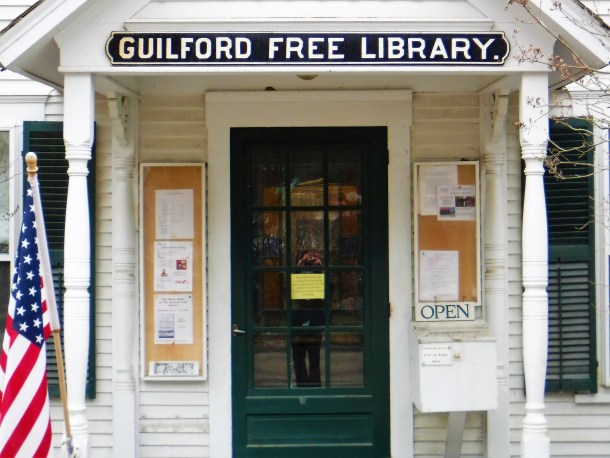
Guilford will consider a $205,000 request to help pay for $1 million in local library improvements.
Marlboro is asking to increase its general fund budget from $300,000 to $420,000 to create a town administrator position and give its municipal employees a 10% raise.
And Goshen will consider not only a $214,700 highway budget but also a citizen-petitioned article to spend an additional $621,068 to pave Town Hill Road.
“They want the roads fixed now,” Goshen Town Clerk Rosemary McKinnon said of the latter request.
More than two dozen municipalities will vote on whether to authorize local marijuana sales, including Barre City, Bolton, Bristol, Chester, Eden, Essex, Fayston, Ferrisburgh, Hartford, Manchester, Marlboro, Milton, Moretown, Norton, Poultney, Proctor, Putney, Rockingham, Rutland City, Rutland Town, Sheldon, Springfield, St. Albans Town, Stratton, Waitsfield, Wilmington and Woodstock.
Several towns will weigh advisory articles.
Manchester and several neighboring towns will vote on whether to support the concept of a regional fieldhouse.
Highgate will offer its opinion on whether to keep its current emergency medical services provider, the nonprofit Missisquoi Valley Rescue that served up to 2017 and since 2019, or AmCare Ambulance Service, which received a two-year contract in the time in between.
And Dummerston and Marlboro will decide whether to urge the Windham County Sheriff’s Office to not cite, arrest nor take custody of someone based on immigration status and to not assist federal officials with such enforcement.
In other municipal matters:
Woodstock will vote on whether to assess a 1% local option sales tax.
North Hero will weigh taking ownership of the newly restored Community Hall and moving its town offices there, while Sutton will decide whether to sell its Grange building.
And Greensboro will debate whether to reduce the speed limit on all dirt roads to 35 miles per hour.
In school matters:
Six central Vermont school districts (Barre Unified Union, Cabot, Harwood Unified, Montpelier Roxbury, Twinfield Unified Union and Washington Central Unified Union) will consider whether to create a separate district to govern their shared Central Vermont Career Center (formerly the Barre Regional Vocational Technical Center).
Chelsea is set to vote on whether to withdraw from the First Branch Unified District, while Johnson will consider leaving the Lamoille North Modified Unified Union School District.
Coventry will weigh a $3.2 million bond for a proposed addition at its Village School to accommodate increasing enrollment and create a separate space for grades 6-8.
And Castleton will vote on whether to close its Village School, while neighboring Hubbardton, which has a contracted 11% interest in the Castleton school’s operation, will ask its own voters whether their town should acquire an 11% ownership stake in the building if it’s closed.
Several towns will consider changes to local government.
Wilmington will decide whether to reduce its elected listers to three, while Hancock and Hyde Park will vote on whether to replace elected citizen listers with appointed professional appraisers.
In the same vein, Lincoln will vote on changing its treasurer position from elected to appointed, while Westfield will weigh whether to eliminate its office of town auditor.
“We can’t find people to fill this position,” Westfield Town Clerk LaDonna Dunn said, “so the voters will decide if it’s time to hire a professional.”
