


Vermont health officials are worried about a noticeable rise in overdose deaths involving methamphetamine, which comes as fatal opioid overdoses as a whole continue to climb.
During the first half of this year, 13 Vermonters died from ingesting opioids and meth. In comparison, there were 10 such deaths for all of 2020 and only two in 2019, according to a special report from the Vermont Department of Health.
The 13 people who died from meth-laced opioids were among 96 Vermonters who fatally overdosed on opioids during the first half of this year, state data shows. About 38% of the opioid/meth deaths were among people ages 30-39, the biggest age group affected.
The report, issued Sept. 21, said the presence of cocaine, another stimulant, has been well documented in opioid overdoses statewide. But meth involvement had been “relatively rare in Vermont.”
In addition, from January to June, the state recorded three meth overdose deaths that did not involve opioids.
Health officials said that, throughout the U.S., stimulant drugs are becoming more widespread. They believe meth’s increased presence in Vermont is being driven by a cheaper, purer and more potent variety coming from Mexico.
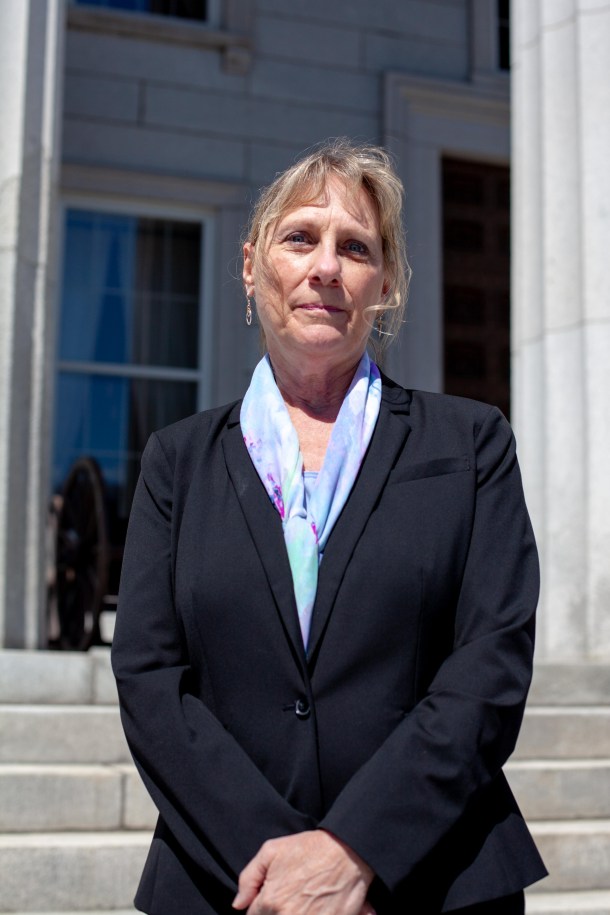
“We do know that it’s more available, absolutely,” said Cynthia Seivwright, director of the health department’s division of alcohol and drug abuse programs, which produced the report.
Although the price of meth has increased during the coronavirus pandemic, it remains low compared with other illicit drugs that face tighter supply flows, the Drug Enforcement Administration said in its 2020 National Drug Threat Assessment report issued in March.
One thing health officials still do not understand is whether users are knowingly ingesting meth or if they’re not aware that the stimulant is in the mix.
“Are people intentionally using? That’s the part we don’t know yet,” Seivwright said. Figuring that out, she said, would help policymakers devise effective intervention programs.
In the meantime, she advises opioid users to always carry the opioid-overdose antidote naloxone, a popular brand of which is Narcan. Having the antidote on hand is especially critical because deadly doses of fentanyl, a synthetic opioid, are increasingly being mixed with other drugs.
Of the 96 Vermonters who fatally overdosed on opioids between January and June, 87 had ingested fentanyl, state data shows.
Worrisome picture
The state had 34 more opioid fatalities in the first half of this year than in the same period in 2020. That is worrying, given that Vermont ended 2020 with 157 opioid overdose deaths — more than any year since at least 2010.
Chittenden, the most populous county in the state, had 20 opioid overdose deaths in the first half of this year, the highest among Vermont’s 14 counties.
The four southern Vermont counties are all near the top of the list — Windsor County with 12 fatalities, Bennington with 11, Rutland with 10 (tied with Washington County in central Vermont) and Windham with seven.
Health officials said fatal overdoses are a problem in southern Vermont every year. This is a trend they partly attribute to the fact that Interstate 91 runs through southeastern Vermont, and is a major trade route in the trafficking of illegal drugs that flow north from Springfield and Worcester, Massachusetts; Hartford, Connecticut; and the New York City area.

As the pandemic enters its 20th month in Vermont, professionals who closely follow drug trends are concerned that 2021 might bring even more overdose deaths than last year.
“There’s no reason to believe that we wouldn’t at this point,” said Gary De Carolis, executive director of the Vermont Recovery Network. “Isolation is a killer for people with substance use disorder, and this pandemic has just so pushed the bar on that.”
He said recovery centers are not yet back to their regular service hours, and many support groups are still meeting online rather than in person. Crucially, more people are using opioids on their own, which means there’s no one to administer naloxone, should they overdose.
Research shows 90 percent of fatal overdoses happen to people using drugs by themselves, De Carolis said.
The disruptions that Covid-19 have brought to people’s lives are also fraying their mental health, he said. He encourages people to reach out for help offered by the Vermont Recovery Network at 802-738-8998 and VT Helplink, which can be reached by dialing 2-1-1.
Here’s a list of local recovery centers.
