

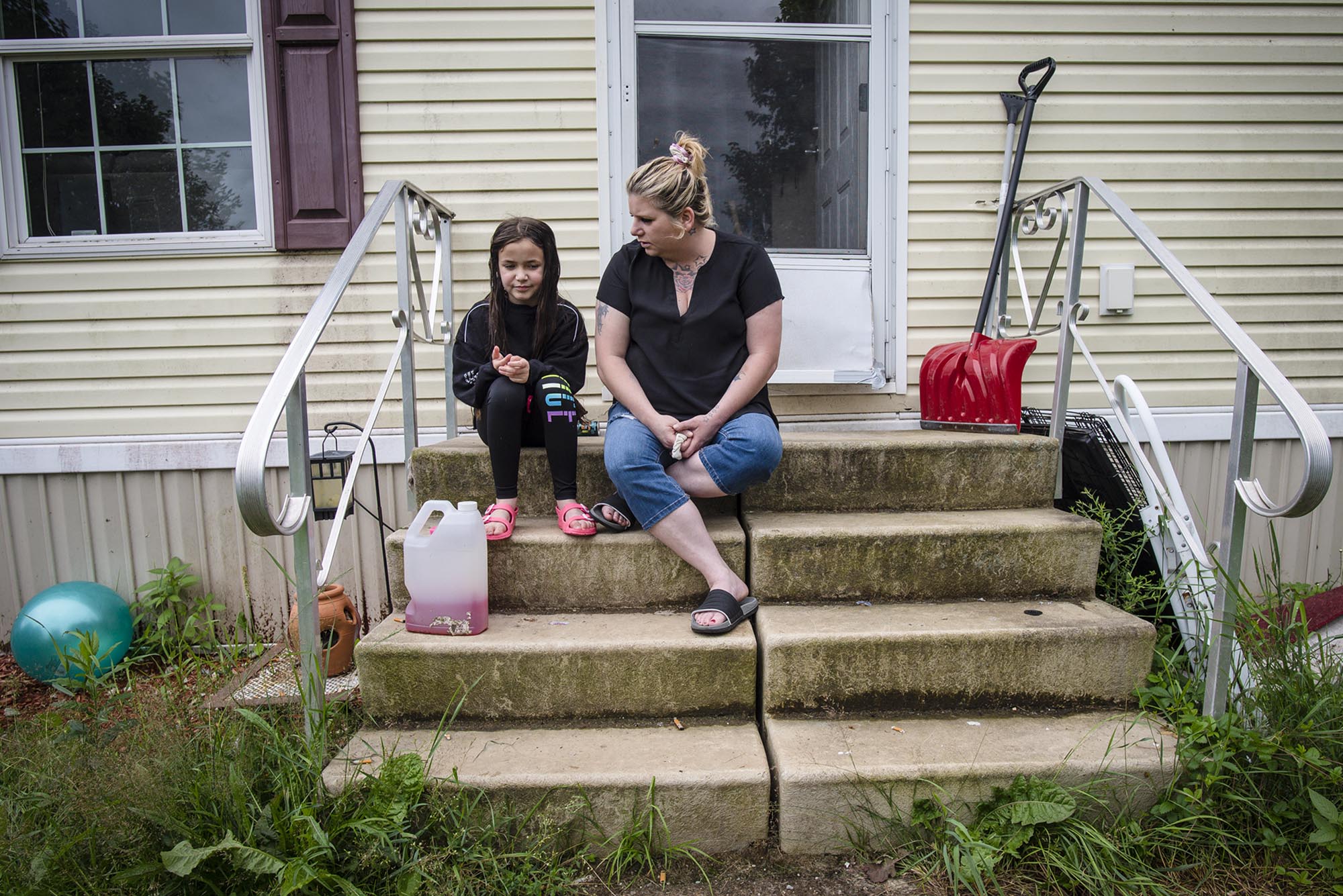
Jodie Vasquez was nine months pregnant, out of work and planning to go back to college when the news dropped.
Vasquez’s landlord told her she had sold her own home and was moving into the Westfield house where the 39-year-old woman and her family had lived since 2017. Once pandemic-era eviction moratoriums ended, the wife, husband and soon-to-be three kids would have to leave.
They’ve been trying to. But it’s been more than a year, and the Vasquezes haven’t found a permanent place to live.
“We literally have everyone from Lowell to Newport, town clerks. We have multiple real estate agencies trying to find us a place,” Vasquez said. “And there’s literally nothing out there for rent.”
The Covid-19 pandemic has upended Vermont’s housing market. Realtors describe unprecedented home-buying, the average price for a single-family home shooting up and a little-quantified influx of people. What’s less clear is how the pandemic has affected the state’s rental sphere.
But Vasquez’s story backs up the word on the street: People are scrambling for apartments that aren’t there.
‘What are we gonna do’
Vasquez and her family moved to the Northeast Kingdom from Colorado, seeking better employment. She received a job offer from her in-laws to drive trucks, and after a year, she bought the vehicle and became an independent contract driver.
When Covid-19 hit and everything shut down, she found herself without work and stuck with a truck she had to maintain and insure.
“The fear of not being able to take care of my kids was overwhelming,” she said.
“The stress of trying to make sure that my kids always had somewhere to sleep at night and somewhere where I was gonna be able to serve them dinner every night, it took over anything.”
So she enrolled in the Community College of Vermont to earn a degree in medical billing and coding, figuring there would always be a demand for jobs in the field.
But come May 2020, everything began to unravel. The family’s landlord told them she wouldn’t be renewing their lease. The landlord wanted to move into the house after selling hers, a cash-in on the market boom.
For months, Vasquez and her husband have looked for a place. The market, she said, has been nonexistent. Rents have gone up. Rare listings she finds that could accommodate her family disappear within hours.
She spoke with one woman who said she had been contacted by more than 150 people about a listing. That house was tied up in probate court, and the woman was renting it out in the interim — so whoever moved in would have to leave anyway.
Vasquez said she talked with real estate agents and town clerks across Orleans County with no luck. She and her husband even drive past empty homes, she said, find out who owns them and call, asking if they might consider renting them out.
“Because of all this, I’ve had to put my education behind on the back burner, so it’s really affecting everything,” she said. “It’s really, really just a horrible situation right now.”
The situation has been exacerbated, she said, because her landlord “did not care that there wasn’t nothing available.”
The landlord wanted the family gone by June 19. Vermont Legal Aid told Vasquez she couldn’t be forced out right now. The landlord wasn’t happy about that, she said.
The result was a confrontation between the two that ended in Vasquez filing a police report June 18 with the Orleans County Sheriff’s Department, alleging the landlord had threatened to hit her. The dispute never went further than the report, but Vasquez said the incident made her family want to leave. They managed to find an Airbnb owner in the Jay Peak area who would rent to them at a discount until November.
“Thank God we found it, thank God,” she said. “But of course it doesn’t alleviate that fact of, ‘What are we gonna do when we leave there?’”

A hard-to-quantify crisis
Twenty community advocates, social service leaders and housing industry representatives from the Northeast Kingdom wrote an open letter that VTDigger published July 18, pinpointing the post-pandemic housing crisis in parts of the region.
“Multifamily homes are being snapped up by out-of-region landlords who then raise rents,” they wrote. “Units become out of reach for families already strained to make payments, which forces them to relocate away from their natural and social supports — including their children’s schools, family medical providers and child care.”
The vacancy rate in Orleans County and northern Essex County — the number of prospective renters vs. available units — “hovers around 1-2%,” the group wrote.
A rate between 4 and 6% is considered ideal, according to the Vermont Housing Finance Agency. Westfield, where the Vasquezes have lived for four years, is in Orleans County.
“The regional housing picture was troubled to begin with, and greatly exacerbated by a crisis upon a crisis,” the group wrote.
The growing problem is believed to extend statewide.
Chittenden County landlords and property managers have been talking about an unprecedented demand for rentals there. According to a survey conducted by the real estate firm Allen, Brooks & Minor, the vacancy rate in the county in June 2020 was 2.6%. In the firm’s survey from December — the most recent survey as of May — the rate had dropped to 1.1%.
Angela Zaikowski, director of the Vermont Landlords Association, said her group is seeing similarities between the rental and real estate markets right now. The rentals are going quickly, and landlords are taking in a lot of applications, she said.
“I think it’s safe to say that it’s conventional wisdom that the low vacancy rates we had before the pandemic have definitely not gotten any better,” said Shaun Gilpin, housing program administrator for the state Department of Housing and Community Development.
Vermont had an overall rental vacancy rate of 3.4% in 2018, according to the latest estimates available from the Vermont Housing Finance Agency’s state housing data website.
Gilpin said the overall rate is likely lower than the ideal range because the state lags in building new houses. From 1980 to 1990, Vermont’s annual housing stock growth was 1.66%, according to census data. From 2010 to 2020, according to census estimates, the rate dropped to 0.22%.
Why did the pandemic worsen the rental situation? It’s all speculative at this point, Gilpin said.
But he thinks “people hunkered down and didn’t move. You saw less turnover, fewer evictions … and you also saw higher demand for homes in more rural places.”
He said his department understands many single-family homes previously used as rentals “could very well have been sold.”
Whether the pandemic has affected the rental market as much as it has the house market is up for debate, though, he said.
It’s difficult to gauge quickly because, unlike some states, Vermont’s government has little data on rentals.
“We don’t have a concerted, robust effort to keep track of it,” Gilpin said, adding that when it comes to finding and monitoring rentals, “You’re pretty much dealing with Craigslist, Front Porch Forum, word of mouth. And that’s how most things happen in this state when it comes to private, unsubsidized rental units.”
Shortlist of solutions
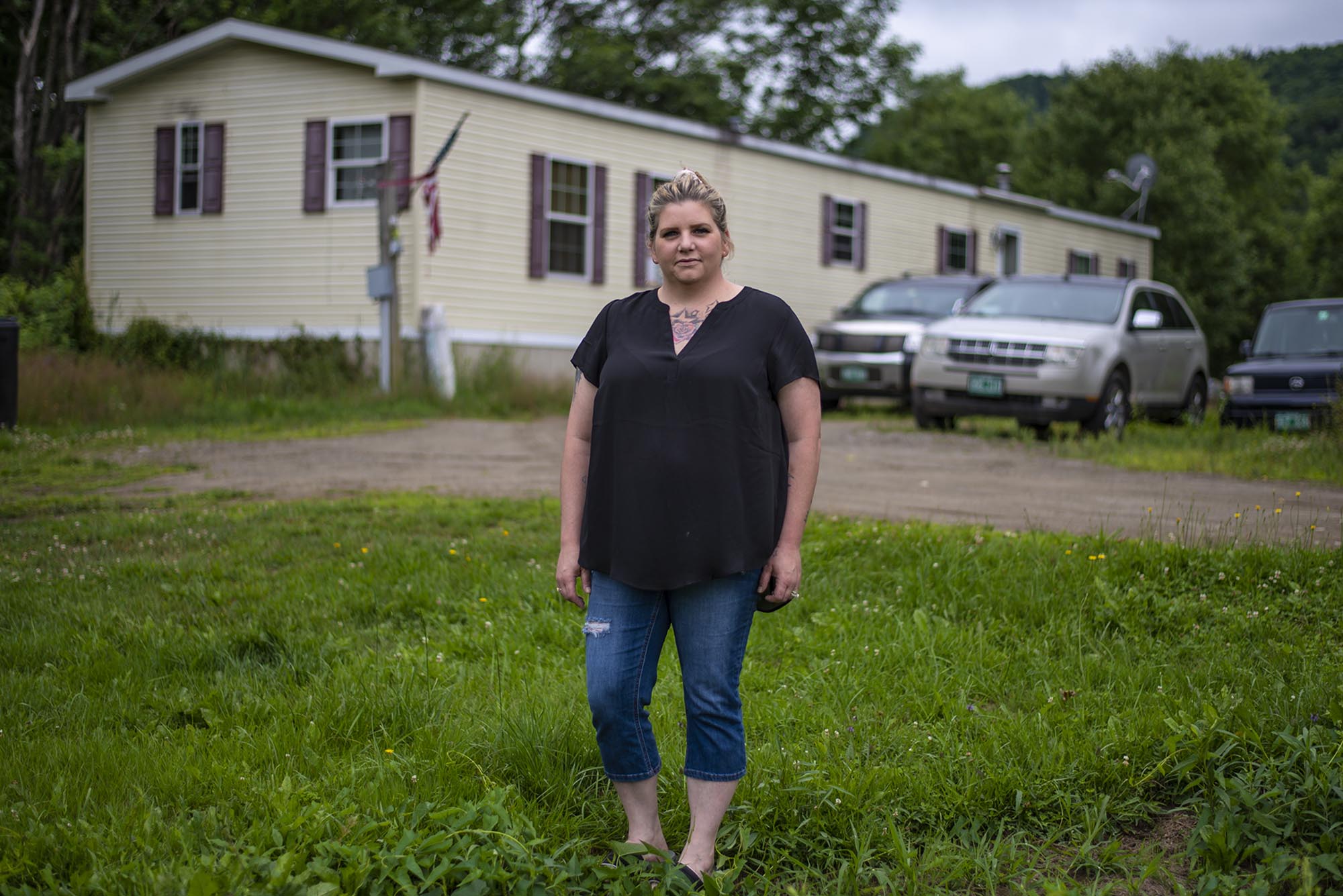
Vasquez believes her family’s situation is a product of what the market is going through right now.
She fears they’ll have to pack everything into storage and “have to be out on the streets” come November.
She worries for her three daughters — ages 1, 7 and 18 years old — and isn’t sure what the solution is for people facing challenges like hers.
The Orleans and Essex counties leaders asking for attention on the area’s housing crisis have a shortlist of potential remedies.
Among other things, they want housing voucher amounts increased, grants that “reflect the true cost of rental housing” and a boost in the number of Section 8 vouchers for private landlords. They’re also calling for units to be built from Island Pond to Troy to house at least 70 people and for 30 new units of case-managed housing around Newport.
“We kept community members safe throughout the worst of Covid, but are now facing its related consequences,” the group wrote.
Vasquez is hoping for that same kind of help.
