

After facing criticism from Gov. Phil Scott and the business community, leaders of the Vermont Senate appear to be backing off a plan to tax federal Paycheck Protection Program loans.
Earlier this month, the Legislature sent a Covid-19 aid package to the governor’s desk with a provision that would tax PPP loans forgiven in 2021 as if they were normal business income. The legislation exempted loans forgiven in 2020.
The federal government launched the program last spring in an effort to help businesses make payroll and stay afloat during the coronavirus pandemic. They are tax-free at the federal level, though some states have chosen to tax forgiven loans.
Even as Vermont lawmakers signed off on the aid package that included PPP taxation, H.315, they maintained that they hadn’t settled the matter. Now, they’re suggesting they might repeal the new tax.
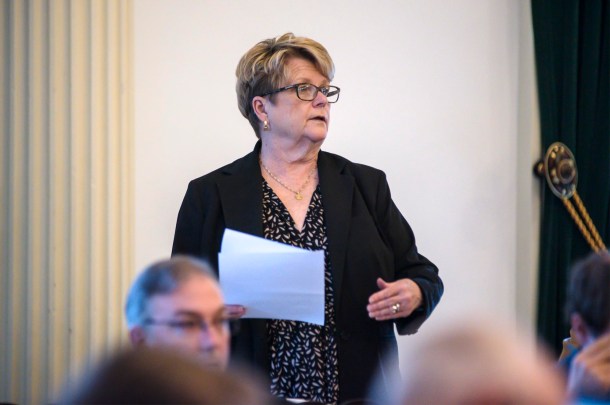
Sen. Ann Cummings, D-Washington, who chairs the Senate Finance Committee, said she’s leaning in favor of repeal after having heard from several business leaders in her committee this week.
“I’m prepared to say that we shouldn’t tax them, but I haven’t had a discussion with the committee, so I don’t know where they’re going to come down,” she said.
According to Cummings, those who testified before her committee said that small businesses that didn’t receive funding in the early rounds of the PPP program “would be really impacted” by a tax on the loans. But Cummings said she still needed to better understand how a repeal might affect the state budget.
Sen. Mark MacDonald, D-Orange, said he expected the committee to favor repealing the tax.
“We will do for 2021 what we did a couple of weeks ago for 2020, that’s what I expect will happen,” said MacDonald, the vice chair of the finance committee.
In recent days, Scott has criticized lawmakers for inserting the taxation provision into the Covid relief package — and cited it when he chose to let the bill become law without his signature.
In a message to lawmakers last weekend, the governor said the Legislature “should reverse its decision to insert, at the last minute, a new and punitive tax liability on federal PPP loans.”
“These forgivable loans were issued to help employers survive this pandemic and preserve jobs. And our businesses have applied for these loans with the understanding they would not be taxed,” Scott said. “The Legislature should be at their side, helping them up. Not on their back, trying to raise yet more in taxes.”
Since last December, 14 states have opted to tax forgiven PPP loans or are considering doing so, according to the Tax Foundation, a pro-business think tank.
Supporters of the measure have expressed concern about loan recipients being able to “double dip.”
Normally, businesses pay taxes on their income and then deduct expenses from their tax liability. But unless the state made policy changes, businesses that received PPP loans would not pay taxes on those funds — and could still deduct expenses the loan covered.

Senate President Pro Tempore Becca Balint, D-Windham, said lawmakers inserted the PPP loan tax into the bill because they needed more time and information to deliberate on the issue. She said she would support the finance committee’s decision on the matter.
Balint acknowledged that including the provision in the aid package “was not tidy.” But she said it was a way “essentially to guarantee” that lawmakers would return to the discussion later this session.
“I think we got caught flat-footed on this one. I’ll just own it,” she said. “I think we needed more time, and there could have been a more delicate way for us to signal that.”
House Speaker Jill Krowinski, D-Burlington, declined to say whether she believed the loans should be taxed. She said the House was waiting on the Senate to make a decision on the matter.
“We’re waiting to see what move they’re going to make around PPP, and then we’ll respond once we know what they decide to do,” Krowinski said.
