


Hospital leaders accused the Green Mountain Care Board of “overreach” and regulating in a way that “significantly hamper[s] our hospitals,” as they asked for reduced oversight during the pandemic.
The outcry from half a dozen hospital CEOs and administrators during a Care Board meeting Wednesday came after the five-member board declined to eliminate the hospital budget process entirely, as the hospital leaders had requested.
Hospital officials and board members sparred over whether the increased cost and responsibilities hospitals had shouldered during the pandemic merited greater flexibility from regulators.
“We are all tired and we could use that relief,” said Dean French, CEO of Northwestern Medical Center.
But skipping the process entirely would be an abnegation of the board’s responsibility and would lead to higher costs for Vermonters, according to board chair Kevin Mullin.
“If you allow for that, there’s no point in having a regulator. It’s a waste of taxpayer dollars,” Mullin said in an interview. “I would feel like I wasn’t doing my job.”
The alternative budget process discussed by the board for this year would be too burdensome, especially given the lingering uncertainty about whether and when the pandemic will end, said John Brumsted, CEO of the University of Vermont Health Network.
He laid out his critiques and a plea for relief in an email sent Wednesday to “community partners.”
“Rather than recognizing hospitals’ extraordinary response to Covid-19 and facilitating our emergence from the pandemic, the board’s proposals ignore the current reality, hinder recovery, threaten sustainability and imperil health care reform,” Brumsted wrote. He also detailed his concerns in a critical five-page letter to the board.
Under the Care Board’s hospital budget review process, which occurs in late summer, each facility is required to present a detailed picture of its finances. The board reviews each hospital’s cash reserves, cost reduction plans, and proposed price increases, and can set limits on the revenue a hospital expects to make from patient services.
The goal? To limit the growth in health care costs, which ultimately are paid for by Vermonters
On Wednesday, the board discussed a revised process that included regulating hospital expenses, which Mullin said would ensure that the facilities reduce their costs when they earn less money than they predict. The board also considered capping the amount that hospitals can charge for a given procedure, as well as simplifying the process due to Covid.
The board will vote on those options by the end of the month. Regulators will not penalize hospitals for Covid-related expenses such as testing or vaccination, Mullin emphasized.
Health care facilities have struggled during the pandemic, though the financial impact has varied among hospitals.
Some hospitals, such as North Country Hospital in Newport and Porter Medical Center in Middlebury, came out of 2020 in better financial shape than in previous years. Others were hit hard by increased costs and reduced income. The UVM Health Network recently reported that it lost $21.3 million between October and January. Brumsted attributed the losses primarily to fewer patients during the pandemic.
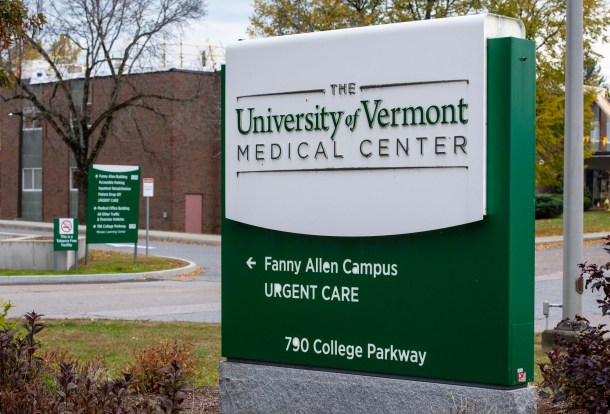
Mullin said he didn’t buy that explanation. “A lot of woes that are brought upon UVM are problems that should be corrected,” he said in an interview, citing an October cyber attack and the closure of the Fanny Allen Colchester campus at UVM Medical Center.
The chief regulator also downplayed Brumsted’s appeal as alarmist; he regularly threatens to cut health services “if he doesn’t get everything he desires for his network,” Mullin said.
Financial relief for hospitals will come on the backs of Vermont ratepayers, Health Care Advocate Mike Fisher reminded the board. The pandemic has put strain on ordinary Vermonters as well as health care facilities.
“There’s often conversation about provider sustainability and system needs without a recognition of what it means for consumers,” Fisher said.
It’s not the first time hospital officials have fought to relax regulatory oversight. Last fall, health care administrators expressed similar concerns. Brumsted also wrote a lengthy letter to the board then, asking for higher rates, and requesting that regulators change the way they were administering rate increases. The board conceded — on both fronts.
But in an interview, Brumsted said the UVM network’s six hospitals have already been forced to make tough choices.
Champlain Valley Physicians Hospital in Plattsburgh, N.Y., recently cut 60 full-time-equivalent staff positions, Brumsted said. The reduction included reduced hours, retirements, unfilled vacancies, and “a handful” of layoffs, primarily in administrative roles.
“If we’re going to be here tomorrow for Vermonters, we can’t lose money,” Brumsted said. He sent the letter as part of an effort to be transparent with the community, not to increase his leverage with the Green Mountain Care Board, he said.
Jeff Tieman, head of the Vermont Association of Hospitals and Health Systems, said the request from hospital leaders was reasonable.
“Hospitals are fine with fair and consistent regulation,” Tieman said. “Where there’s overreach or when it’s unnecessarily burdensome, that’s when they have a problem with it.”

