

A new analysis of police budget proposals up for a vote on Town Meeting Day next month found that, on average, they’re flat — though some communities may see major increases.
Researchers and student interns at the University of Vermont’s Center for Research on Vermont compiled police budget proposals from 98 of Vermont’s 246 towns and cities. On average, communities plan to spend about 11% of their annual budget on policing — roughly $128 per person.
A previous analysis of town budgets by UVM found a 3.8% increase statewide from the 2019 fiscal year to 2020 and a 6.5% rise from fiscal year 2020 to 2021. The fiscal year ends June 30.
Just over 50 Vermont communities have their own police departments. The rest get coverage from state police, or through contracts with one of the 14 county sheriffs’ departments.
The police budgets headed for voters next month have dropped very slightly — on average, by 0.45%.
But an average is just an average, and police budgets vary widely from community to community.
The researchers found that six communities have proposed increases of more than 10% of their police budgets, while seven proposed decreases of more than 10%. Some communities spend more than a quarter of their town budget on policing; others spend virtually nothing.
The flat budget projection comes amid widespread discussions about policing in Vermont, including conversations about police reform, economic concerns and a drop in certain services because of the pandemic.
“Given ongoing calls to defund the police in the last year, we were interested to see how it will play out at the local level,” said Valentina Czochanski, the lead student researcher.
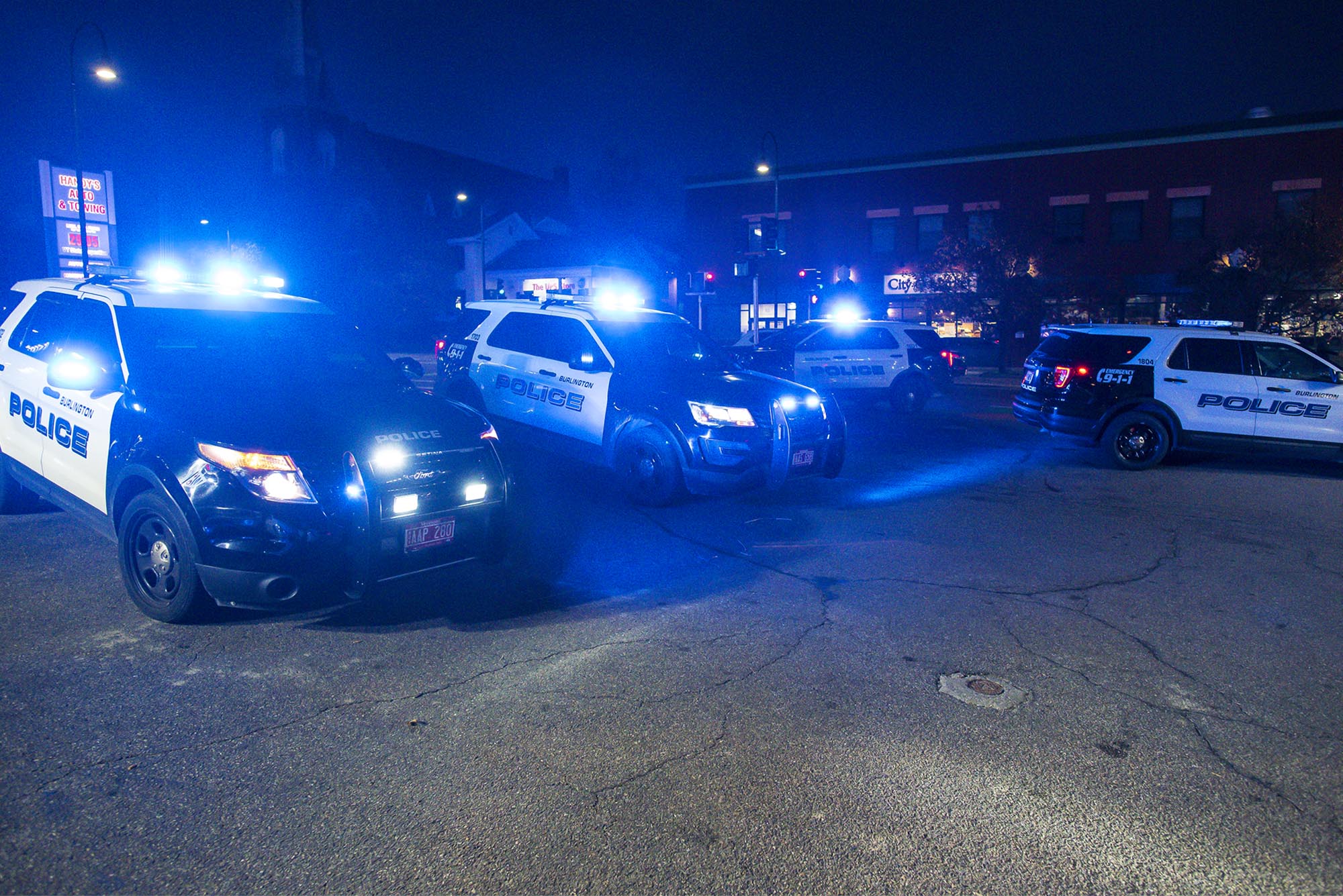
Burlington, in particular, has had a contentious debate over cuts in the number of officers and whether the police department will have to stop responding to calls in the wee hours of the morning for lack of staff.
But Richard Watts, head of the center, said there is a “considerable amount of spending on police at a town level” that hasn’t come up in conversations about policing in Vermont.
Some smaller communities are also facing difficult decisions about police spending. St. Albans City, for example, is proposing to cut seven officers to save $600,000, among other measures.
By contrast, St. Albans Town faces a steep increase in police spending this year because it switched its contract for police services from St. Albans City to the Franklin County Sheriff’s Department.
Brendan Deso, St. Albans Town selectboard chair, said the “increased cost in policing services is entirely on timing.” The town has gone through a transparent bid process and is reviving its police reform committee, he said.
Montpelier is the largest community to propose a police budget increase of more than 10%. According to its budget proposal, the city predicts a rise in personnel costs — both the officers themselves and police dispatch services.
Emily Anderson, head research coordinator, said collecting police spending data was difficult because there’s no centralized place to find town budgets, or a standardized way for towns to report categories of spending.
While researchers tried to make note of any contracted services or separate categories of police spending, such as benefits, “these budgets can be complicated to look at,” she said.
