

Last summer about half a dozen mental health workers and medical staff came to work each day at the Windham Center for Psychiatric Care. The facility was completely vacant.
In fact, the Bellows Falls facility, which is leased by Springfield Hospital, wasn’t accepting patients; it was under construction. Instead of providing mental health care, the workers served as doormen for the construction workers. They spent hours watching TV, and discussing health care and politics, said one worker, who said he feared being fired if he used his name.
The state was paying their salaries — and footing the bill for the renovation.
Between May and December, the Vermont Department of Health paid more than $2.1 million to set aside the 10-bed unit for psychiatric patients who had tested positive for Covid. The facility was intended as a quarantine location for patients who still required mental health care.
As part of the deal, the state agreed to pay to upgrade the Windham Center, and to cover its operating costs, including staffing, rent and utilities. Since then the facility has provided care to five Covid-positive patients, two of whom are currently hospitalized.
Last week the Department of Health extended the contract for an additional 90 days and provided $814,000 to continue offering the beds through March.
Officials say the investment has been pricey, but unavoidable.
“If you want to be a Monday morning quarterback, you paid a lot of money to treat five patients,” said hospital CEO Mike Halstead. “You can’t do that. [Months ago], you just didn’t know how bad Covid would be.”
Halstead said he is proud of the partnership between the state and Springfield Hospital.
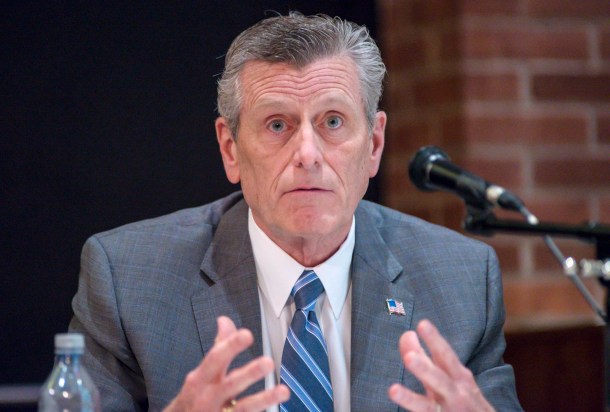
The $3 million deal is “massively expensive,” said Rep. Anne Donahue, R-Northfield, a mental health advocate, but “I don’t know that we have any option.”
The state used federal Covid relief money and funds from the Federal Emergency Management Agency to pay for the renovations, which included safety upgrades and a fence along the perimeter, according to Halstead. The construction dragged on longer than expected, from May through September.
During the intervening months, staff members were paid to be on site primarily to staff the medication room, according to the staff member.
Since the facility opened to patients, it has housed no more than two patients at a time. During the end of September and October, it was entirely unoccupied.
Even so, Halstead described the arrangement as a “good story” of collaboration between the state and the hospital.
The agreement provided a steady flow of money to the financially beleaguered Springfield Hospital — though the state only covered the costs, and the hospital didn’t make any extra money from the deal, Halstead said. The hospital exited bankruptcy protection in December.
“We’ve been very proud of the facility, of the Windham Center,” Halstead said. “It needed some updates to it. We couldn’t afford it, because of where we are financially.” The improvements will allow the facility to care for patients with more severe mental illness, he said.
When the building was empty, Halstead said he considered using it for patients in the emergency room waiting for a psychiatric bed, but the logistics of what would happen if a Covid patient showed up made it untenable. “You can’t mix patients who have Covid with patients who don’t,” he said.
Donahue said Covid has spread rapidly in some U.S. psychiatric hospitals, where patients are likely to move between rooms and transmit the virus. At a 1,527-bed hospital in San Bernardino, California, more than 650 staff and patients have tested positive since May. About 205 patients came down with the virus this spring at a Louisiana facility.
“It’d be terrific if we could put $3 million into other needs in the system,” she said.
The only alternatives would be to leave Covid-positive patients in a regular inpatient unit, which would be “really really high risk,” Donahue said. Or the state could decide not to provide inpatient mental health care to those with Covid, which she called “a non-option.”
Vermont Department of Mental Health Commissioner Sarah Squirrell praised the effort as a “proactive approach” to preventing the spread of Covid.
“It’s essential for any Vermonters who might be experiencing mental illness to make sure that they have access to timely care,” she said. “So we ensured we had timely capacity.”

