

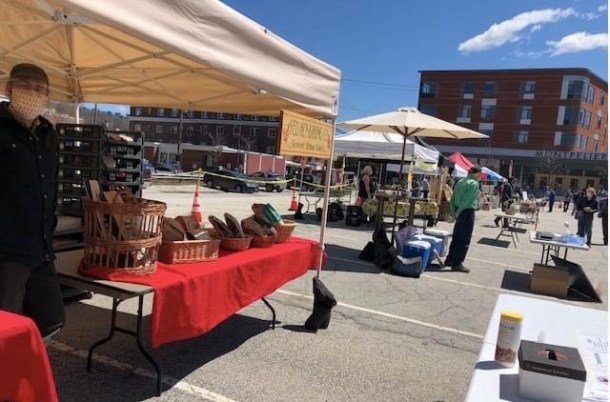
Farmers markets across Vermont were allowed to reopen after more than month on Friday, as part of Gov. Phil Scott’s “turn of the spigot” to restart the Vermont economy.
But throughout the reopening process, vendors and market organizers have been frustrated with what they call a “double standard” between the smaller markets and larger grocery stores about the restrictions on their operations.
“Today is go-day,” Rep. Carolyn Partridge, D-Windham, announced at a House Committee on Agriculture and Forestry meeting Friday morning to discuss the reopening.
Abbey Willard, director of the Agriculture Development Division of the Vermont Agency of Agriculture, told lawmakers that more than 30 market directors have gone over the new rules and addressed questions about the reopening.
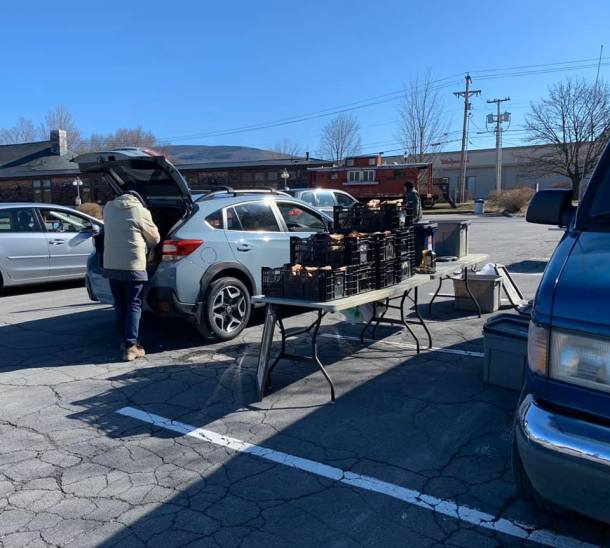
The new guidelines for the markets allow only food and beverage items to be sold, booths must be at least 12 feet apart, and in-person eating and drinking is banned. Craftspeople who make non-edible goods and other non-food related parts of the markets are prohibited from participating.
“This model, which was developed by farmers, and the markets and consumers, could be a blueprint for others, as they navigate this new approach to organizing events and gatherings,” Agriculture Secretary Anson Tebbets said during the Scott administration’s press briefing Monday.
A survey of market directors at a call-in meeting showed that 68% felt they could comfortably open under the new guidelines, 16% said they felt unsure, and 16% said they would not reopen for the season, largely because the restrictions on non-food vendors who help to support markets through fees, poses a financial challenge.
“I think the guidelines are really challenging for most markets,” said Jenny Porter, market development manager for the Northeast Organic Farming Association of Vermont. “But I also think we can all understand why they are necessary, and that they’re in place to keep us safe.”
Lawmakers were less forgiving about the new rules. Several members of the Agriculture Committee raised concerns on behalf of farmers and vendors about the reasons for the rules.
Grocery stores sell soaps, detergents and other household utility items that will not be allowed at farmers markets.
“I feel like our farmers markets shouldn’t be held to a higher standard than our grocery stores,” said Rep. Charen Fegard, D-Berkshire. “I understand jewelry or really cool hats being not allowed, but I feel like soap or artisanal hand sanitizers absolutely should be allowed.”
Hand sanitizer, Willard noted, actually is the one exception to the food and beverage only rule. Soaps and other kinds of cleaning products, however, she said, are still not allowed.
“The world may actually look a fair bit different on June 1 when most markets actually start to open,” she said. “We have four weeks in that time frame when all sorts of things could change.”
Porter said the current set of restrictions has been frustrating for many of her members.
“A bee farmer can sell honey, but they have to leave their beeswax candles at home,” Porter said. “Goat silk can’t be sold alongside goat cheese. But at a grocery store, you can buy soap and candles and things like that. That’s really frustrating for them.”
Porter said one bright spot, though, is that the markets won’t just be limited to curbside pickup, which will make it much easier for EBT food stamp transactions to happen.
“That’s going to make it accessible for low-income folks to shop at the market,” she said. “We’re really pleased that’s been protected.”
Rep. John Bartholomew, D-Hartland, said while he’s getting the sense that most markets are just happy to be open, however that may look, he feels “kind of outraged” about the restrictions set for them.
“It’s an unequal standard, it’s not fair, and all it’s doing is helping the big companies who don’t need the help,” he said. “It makes no sense to me and I think we ought to be pushing back on that.”
Willard said she’s heard from many market directors who feel the same way, and under different circumstances, things might be different, but given the state of Covid-19, she said they’re doing the best they can.
She said sellers of non-food and beverage products have been adjusting to sell their products either from farm stands, directly from their farms, or elsewhere — just not doing it in a larger community setting.
At the end of the meeting, with support from every member of the committee, Partridge and her colleagues agreed to write letters trying to push the envelope a little bit, and try to explain to the governor why other products can and should be allowed at the markets.
For Porter, though, the big takeaway is that when Vermonters start patronizing their local markets, they need to realize they won’t be the same as they once were.
“They’re not going to be a social event or a community gathering place,” she said. “It’s super important to continue shopping at farmers markets and supporting these vendors, but when these markets start opening, you’ve got to treat it more like grocery shopping and less like a social event.”
