

In the Upper Valley, it’s hard to find a therapist.
Lisa Gardner, a therapist in Norwich, said she often hears from people who’ve made calls to upwards of 15 therapists around the area, without finding any openings.
But when the coronavirus crisis hit, those numbers began to concern Gardner more than ever.

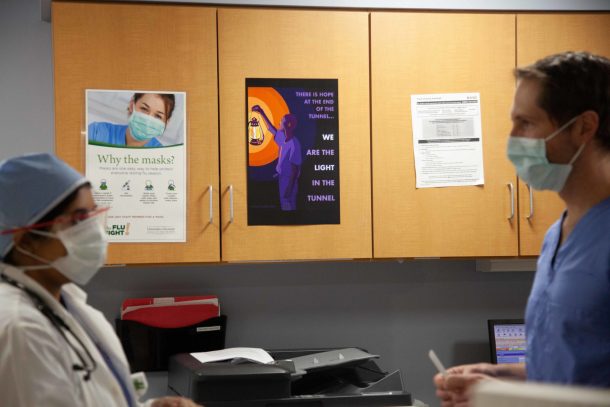
She was worried about health care workers on the front lines of the outbreak, doing dangerous work for long hours. She knew those people might need help, and knew they wouldn’t have the time to make 15 phone calls to find it.
Gardner and a few of her colleagues launched a service to volunteer their time with free therapy sessions for essential workers in the area who could use support.
They offer 30-minute video sessions with licensed therapists for nurses, doctors, EMTs, nursing home workers, and other essential workers, as well as people who have become unemployed because of Covid-19. Sessions can be scheduled within 24 hours.
A booking service donated several months of free use to Gardner, so all a potential client needs to do is log onto the website, confirm that their employment situation makes them eligible, and select an open time slot. Then they’ll be connected with the therapist of their choice for a counseling session.
Gardner said she and her colleagues have been impressed by what can be accomplished through the video sessions.
“We’ve all been surprised of, one, how good of a connection we can still make, and two, how grateful we are to even have this as an option so people can still see warm and friendly faces to feel connected to,” Gardner said. “Do I think it’s as good as face-to-face? No. But it’s still pretty good.”
In the first two days the service was offered, 500 people visited the site, and six health care workers signed up for a session. Gardner said she wants to make sure people know about their service, so if they can use the help if they want it.
The site was originally just for health care workers, but after a few days of being live, Gardner and her colleagues decided to open it up to all essential workers. She said they had originally opted to focus on the health care sector because of the unique set of challenges those workers have been facing during the crisis.
“These people are facing life and death experiences right in front of them day after day,” Gardner said. “And then they come home, and they’re sequestered because of the exposure. They’re living in a bedroom or a basement or an empty apartment, and they can’t see their families or friends or anyone.”
She said therapy can help those people have a space to talk about what they are going through. It can give them resources to help manage overwhelming experiences without feeling “hijacked” by them, and instead give them agency and control in engaging with those experiences.
“I’ve heard from other organizations like ours around the country that some health care workers just feel so tired, so busy and so overworked they don’t feel like they have the time to access this care,” Gardner said.
She said they expect to see a wave of bookings post-peak, when workers might have a little more time to think about themselves.
Gardner said she’s heard from more than a dozen additional therapists willing to volunteer their services since the site launched. She said she’s keeping them on deck for a second wave, in case the first therapists involved with the initiative need a break after several weeks of the extra workload.
What inspired her to launch the project in the first place, Gardner said, was a sense of wanting to help when times are tough.
A few weeks ago, Gardner had noticed that an acquaintance of hers was repairing hospital gowns and sewing masks for five or six hours a day, despite being a single mom dealing with her kids being home all day, every day.
“I was so overwhelmed by her generosity,” Gardner said. “I thought: What can I do? I can’t sew, but hey, I am a therapist.”
The project aims to help the people who are helping their community so much right now, she said.
“These people work at Dartmouth-Hitchcock, they see us and our kids and our parents and our friends,” Gardner said. “This is about us giving back and supporting those people who support us on a day-to-day basis and have throughout our whole lives.”

