


BURLINGTON — The year 2019 was a tumultuous one for the Burlington Police Department.
A city resident, Douglas Kilburn, died days after getting punched by an officer in March, and efforts by Mayor Miro Weinberger and Police Chief Brandon del Pozo to question the medical examiner’s homicide finding drew scrutiny. Attorney General T.J. Donovan decided not to prosecute the officer, Cory Campbell, saying Campbell’s use of force was “reasonable and justified.”
Then in May, four African-American men sued the department alleging excessive force, and body camera footage showing officers pushing and tackling the men shook the city. The city council then established a special committee to review the department’s practices and policies.
Del Pozo resigned in December after he admitted he had created an anonymous Twitter account that he had used to heckle a critic, local activist Charles Winkleman. Deputy Chief Jan Wright revealed that she, too, had used an anonymous social media account under the name “Lori Spicer.” She was demoted from being acting chief the day she was appointed and put on administrative leave later that week.
This series of incidents has led to calls for reform.
The special committee established by the city council has met eight times in the past six months, and has been working its way through reviewing the department’s use of force policy, citizen oversight and other issues.
But a divide has arisen between those who are pushing for substantial changes, especially to the city’s community oversight model, and others who believe the current system is effective and that incremental change is more appropriate.
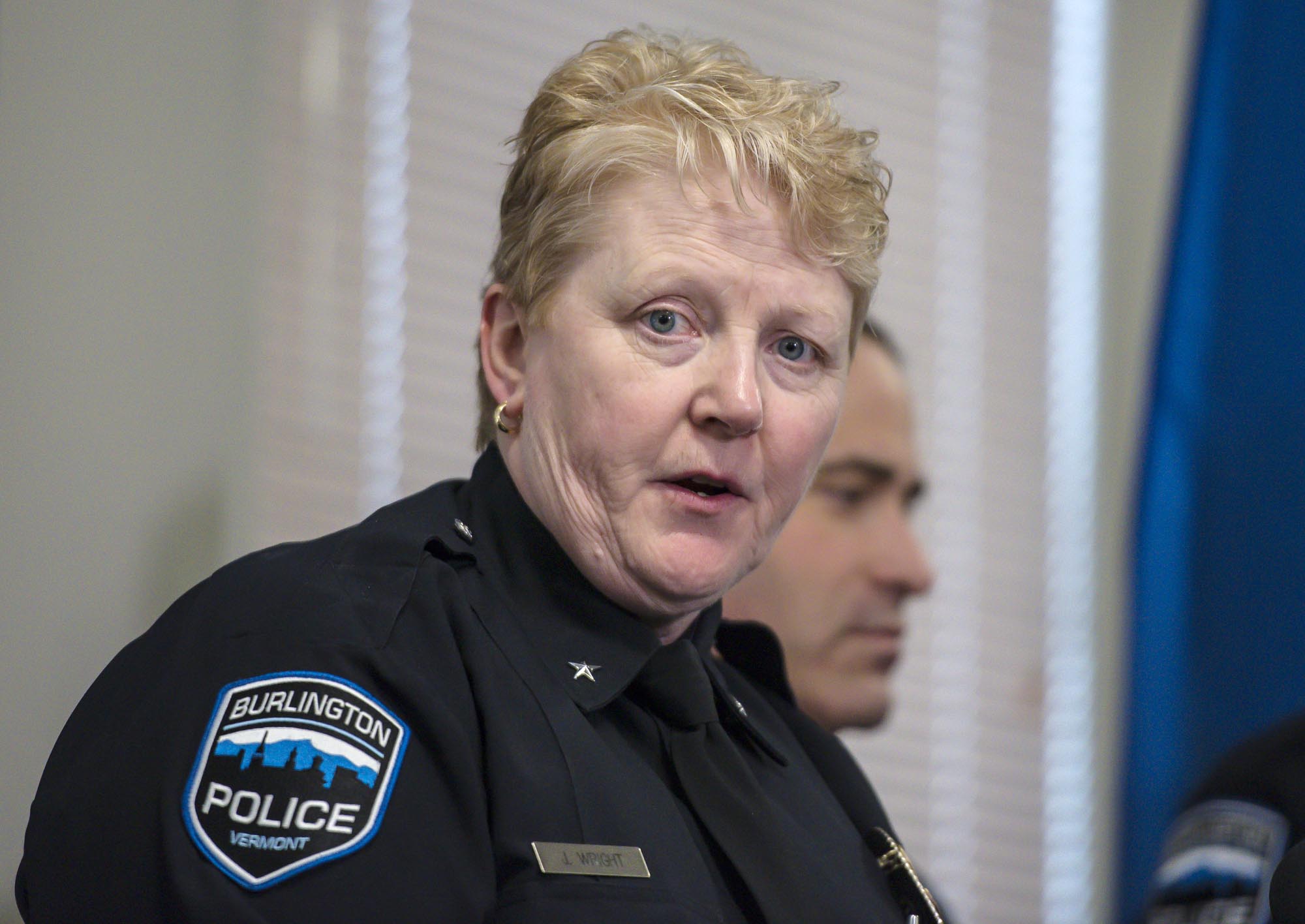
JF Carter Neubieser, a member of the special committee, said he was frustrated with how the committee’s work has played out and believed the committee was formed to have a discussion about substantial changes to the city’s policing policies.
“It often feels like we have a bloc on the committee that is just not interested in substantial reform, frankly, and really not interested in moving the needle on policing policies,” he said. “That’s their right to argue their point. But I think it’s fundamentally not in line with what this committee was supposed to be.”
Weinberger said he believes the city has high expectations of the police department.
“Of course, we’re not perfect, of course, mistakes still get made, of course, we need to continue to try to improve,” he said. “I do think that really the improvements that are possible in the near term are incremental changes. I don’t see any area that demands the kind of vast reform, overturning of the institution, the way you’ve seen in some cities.”
The committee’s two main focuses are the department’s use of force policy and community oversight, with the latter emerging as the more contentious issue.
Current role of police commission
Burlington’s seven-member police commission serves in an advisory capacity.
Randall Harp, the chair of the special committee and a member of the police commission, said, “It’s my opinion the police department leadership has taken the advice of the police commission seriously. That does not mean the department leadership has done exactly what the commission says, but I think the department leadership has always taken that input seriously.”
The commission also reviews and provides input on new directives or changes to existing directives, commission chair Michelle Asch said. The department has modified directives based on the feedback of the commission, she said.
“We really are sort of a sounding board and assist in oversight in the new directives,” Asch said. “The directives are what governs the police department, and those are always brought to us.”

Disciplinary decisions and policy decisions fall to the chief, and the commission does not have investigatory power.
“The commission itself has never really been effective for oversight of the police department,” said Mark Hughes, who was appointed to the commission last summer and is the director of Justice for All VT.
Hughes said ideal oversight is all-encompassing and advances into setting department policy on a range of issues, including officer training, officer wellness, discipline and head count, and department structure.
“Largely, the authority that the commission has today that has been delegated to it is to serve as a review apparatus for disciplinary proceedings in an advisory capacity only,” he said. “And that is all.”
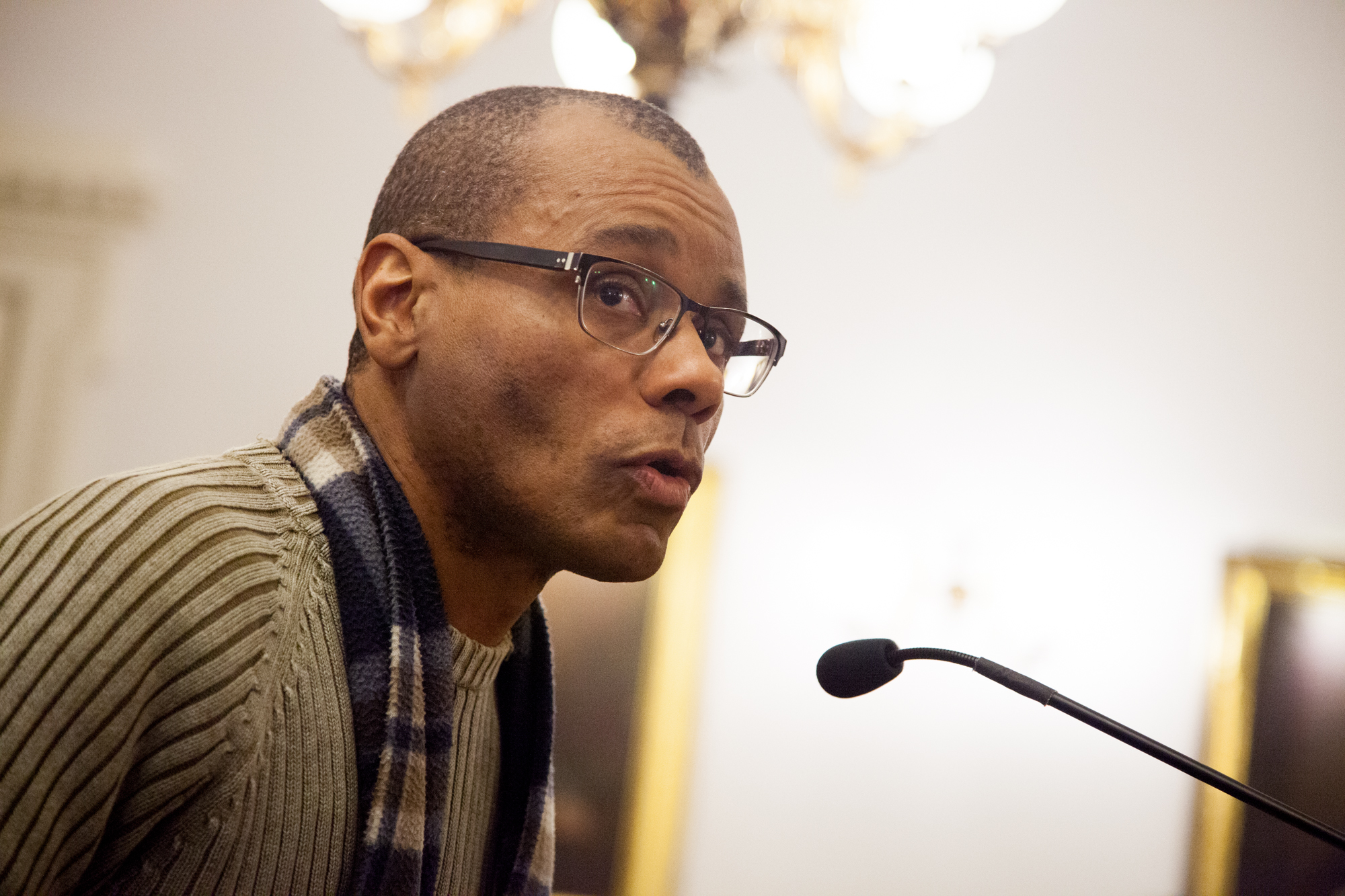
The department’s discipline of its officers has met scrutiny this year, particularly the less-than three-week suspension for Jason Bellavance, the officer shown on body camera footage shoving Jeremie Meli and knocking him unconscious.
Two officers who drank beer they confiscated from minors in December 2018 received a three-week suspension, which was the longest suspension del Pozo gave out during his tenure.
Neubieser supports more explicit authority for the commission.
“I believe that the police commission should have more of a formal oversight role when it comes to ensuring folks in the police department of Burlington, including folks in leadership, are accountable and that when folks are disciplined, that we have transparency and accountability from a community perspective,” he said.
Jay Diaz, a staff attorney for the Vermont American Civil Liberties Union, said effective oversight bodies should be independent, have investigatory power and the ability to subpoena witnesses and documents.
“The Burlington Police Commision does not have those those powers, so without that it’s really hard to be an effective check or effective tool of police accountability,” he said.
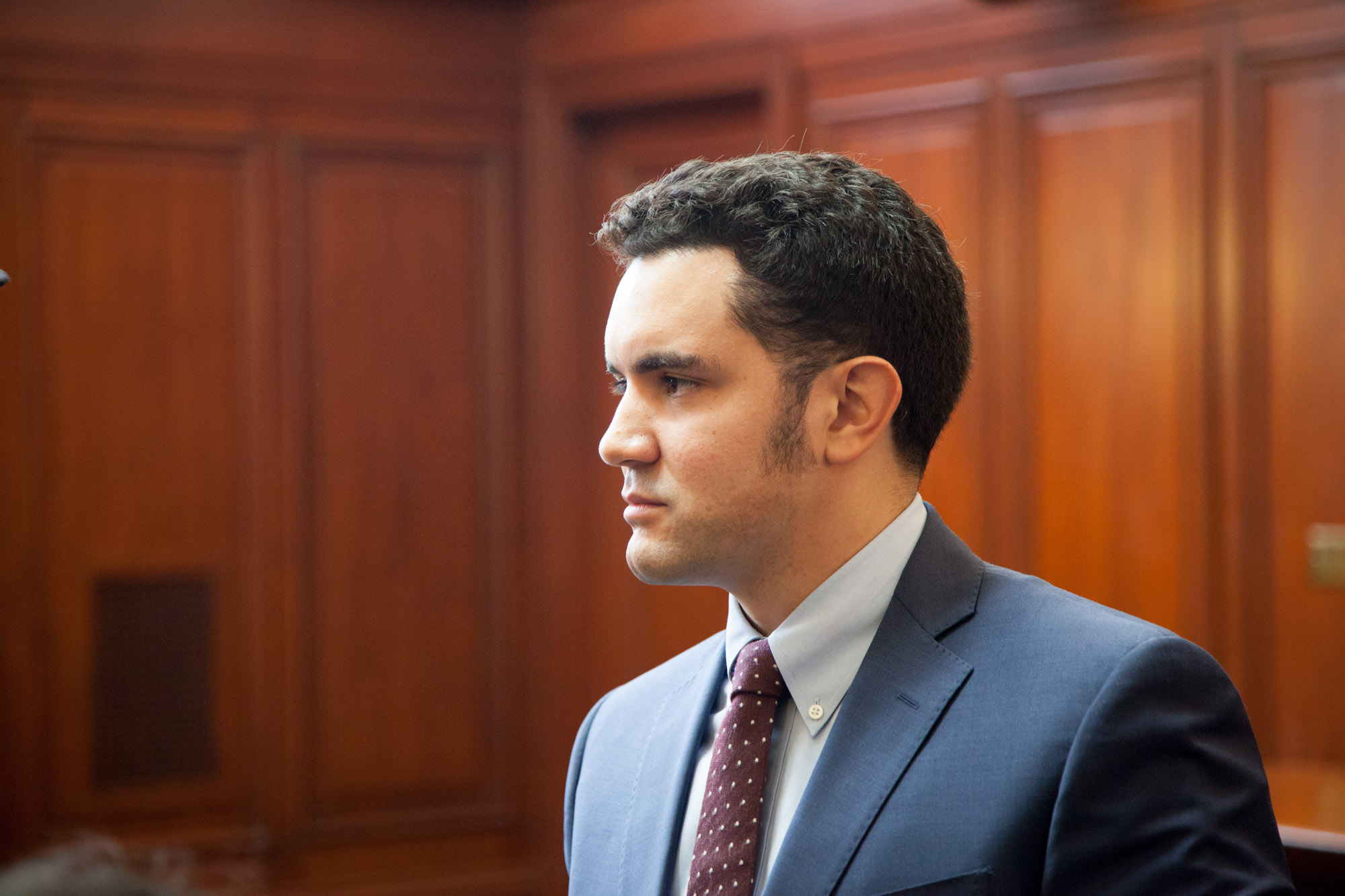
Department and city leadership say they believe the commission in its current format is effective.
BPD Deputy Chief Jon Murad, who is on the special committee, said the department takes the commission’s input “tremendously seriously” and that in his nearly year-and-a-half tenure at the department, it has never overridden a consensus of the commission in disciplinary matters.
“Under the model that I have seen, they are actively involved in reviewing and giving input to a variety of decisions that the department makes,” Murad said.
Officer Vinny Ross, a spokesman for the Burlington Police Officers Association and a member of the special committee, said his group also believes the current commission structure works.
“The chief is traditionally a person who has extensive history in law enforcement and understands the complexities of the job that we do and some of the situations that we find ourselves in,” Ross said. “I think that gives him a better understanding of what would be appropriate punishment than the police commission.”
The idea that police can police themselves is problematic, Diaz said.
“I think the outcomes show how poorly that system has worked,” he said.

Weinberger said that the existing oversight of the department goes beyond the commission, as the mayor and city council have direct oversight of the department in reappointing the police chief each year.
The advisory role doesn’t mean the commission is marginal, he said.
The city used to have a police commission with direct authority over hiring and firing the police chief, but it became advisory in 2000 when a charter change was passed moving the entire city government away from a powerful-commission model and giving more power to the mayor.
Discussions over the role and responsibilities of the police commission aren’t new, as the role and responsibilities of the commission also faced scrutiny in 2015 after del Pozo’s appointment. In 2017, Progressives on the council aimed to set up a task force to review the issue, but the council voted against moving that forward.
This summer, some residents took police oversight into their own hands, forming the group BTV Copwatch, which films officers at work.
National models
Liana Perez is the director of operations for the National Association for Civilian Oversight of Law Enforcement and previously was the independent police auditor for the city of Tucson, Arizona.
She said that there’s no one standard model for an effective civilian oversight body.
“Really, the most effective oversight bodies as those that are inclusive and transparent in the work that they do in their community,” she said.
Some cities have oversight bodies set up similarly to Burlington’s that work in an advisory role, while others have bodies with investigative power and a professional staff.
Around half of the largest 50 cities have civilian oversight agencies with investigative authority. For example, the oversight body in Newark, New Jersey, has subpoena and disciplinary power.
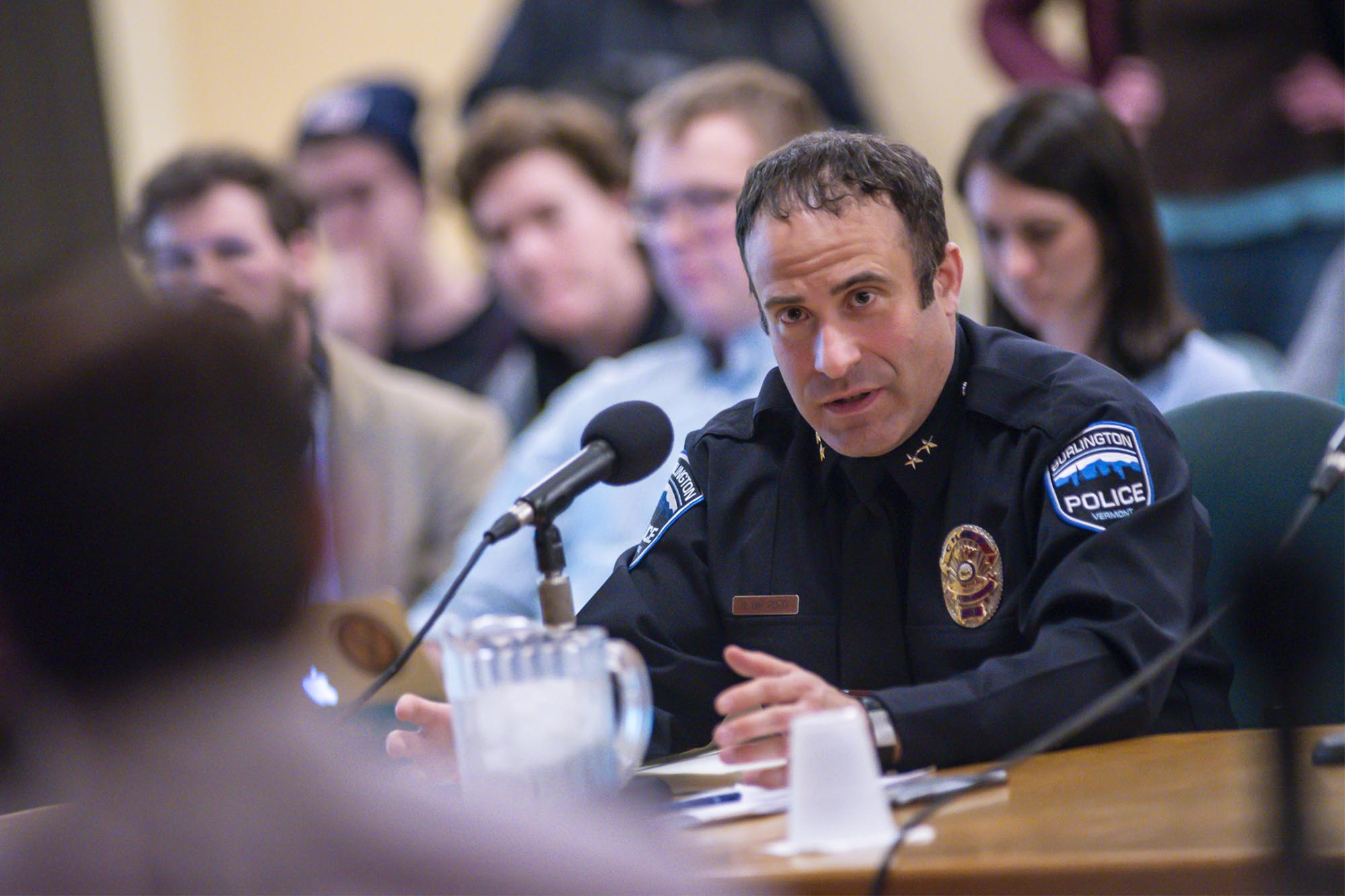
“Fully investigative models are obviously the most robust, but they’re the most expensive,” Perez said. “They’re very expensive to staff and to find individuals that have the qualifications to do the investigations, and the accessibility to the information that they need to do their own investigation. So, we know that sometimes that’s very cost prohibitive, especially in smaller communities.”
Perez said that less than 5% of citizen oversight commissions have disciplinary authority. The amount of information the commission is presented with when considering disciplinary matters is crucial to how effective the oversight body can be, Perez said.
Samuel Walker, a professor emeritus at the University of Nebraska at Omaha and the author of “Police Accountability: The Role of Citizen Oversight,” said that commissions that have a role in setting department policy are more effective then review boards that solely focus on disciplining individual officers.
Police commissions with professional staff are more effective, and smaller communities with financial constraints should at least hire an independent contractor to help the commissions with their work, he said.
Oversight reform ideas
Councilor Perri Freeman, P-Central District, said based on her research, the best oversight bodies are independent, have clear authority with direct decision-making power and are sufficiently funded and resourced.
Freeman said the current oversight model should be enhanced.
Asch said she does not believe that the commission should be the one making disciplinary and policy decisions.
“That is why we hire a chief,” she said. “And that’s the chief’s job. We can advise, we can give input and we can determine whether or not we have the right person. But we can’t do the job of the leadership of the department.”
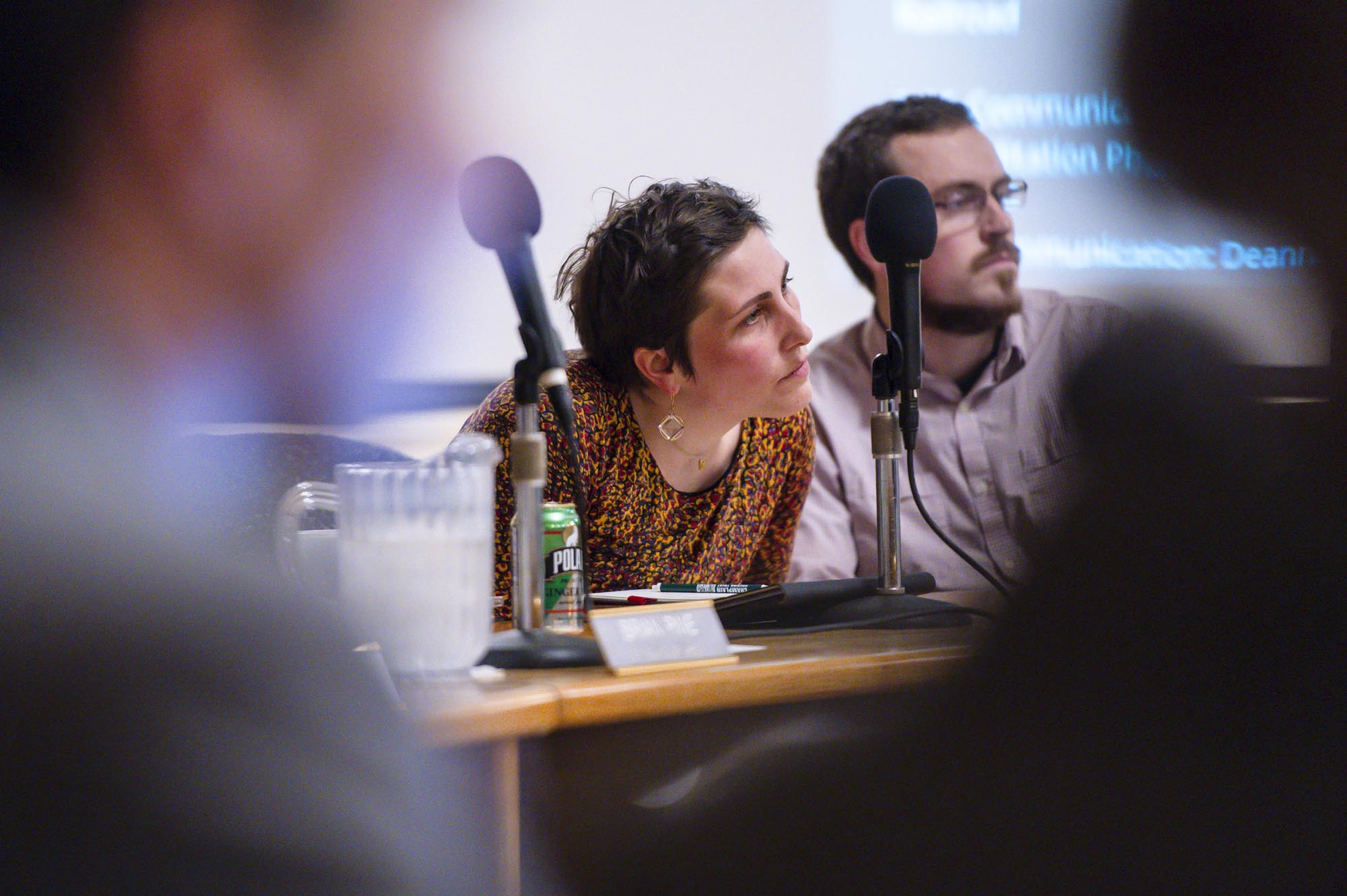
An expanded police commission with investigative power and some disciplinary powers would be difficult to fit into the city’s budget, Weinberger said.
“To set something up like that, you are talking about substantial expense, substantial investment of resources and staff capacity, and it’s not clear that there’s an issue here in Burlington that demands that kind of investment of public resources,” he said.
The commission started reviewing all citizen complaints in 2018 as part of a pilot program, an effort the commission is working to solidify, Asch said. She said the commission itself has been working on its policy for reviewing citizen complaints, including what complaints the commission should weigh in on before they are resolved.
The commission and department need clearer guidelines about when the commission is brought into the loop for issues that do not start with a citizen complaint, Asch said. Right now, that decision is solely left up to the chief.
Use of force policy
At its last meeting, the special committee tasked the police department with drafting an updated use of force policy for the committee to review.
Murad said the top use of force policies recognize the police’s duty to protect human life, include a recognition that force must be objectively reasonable, emphasizes de-escalation and ensures officers report uses of force, among other factors.
Burlington’s policy already is in line with the International Association of Chiefs of Police standards, Murad said. But he said he anticipated the committee would make use of force policy recommendations based on examples from other cities.
Diaz said in the past five years, other municipalities have taken steps to make their use of force policies both clearer and stricter. And California lawmakers passed a law increasing its standard for deadly force from “reasonable” to “necessary” last year.
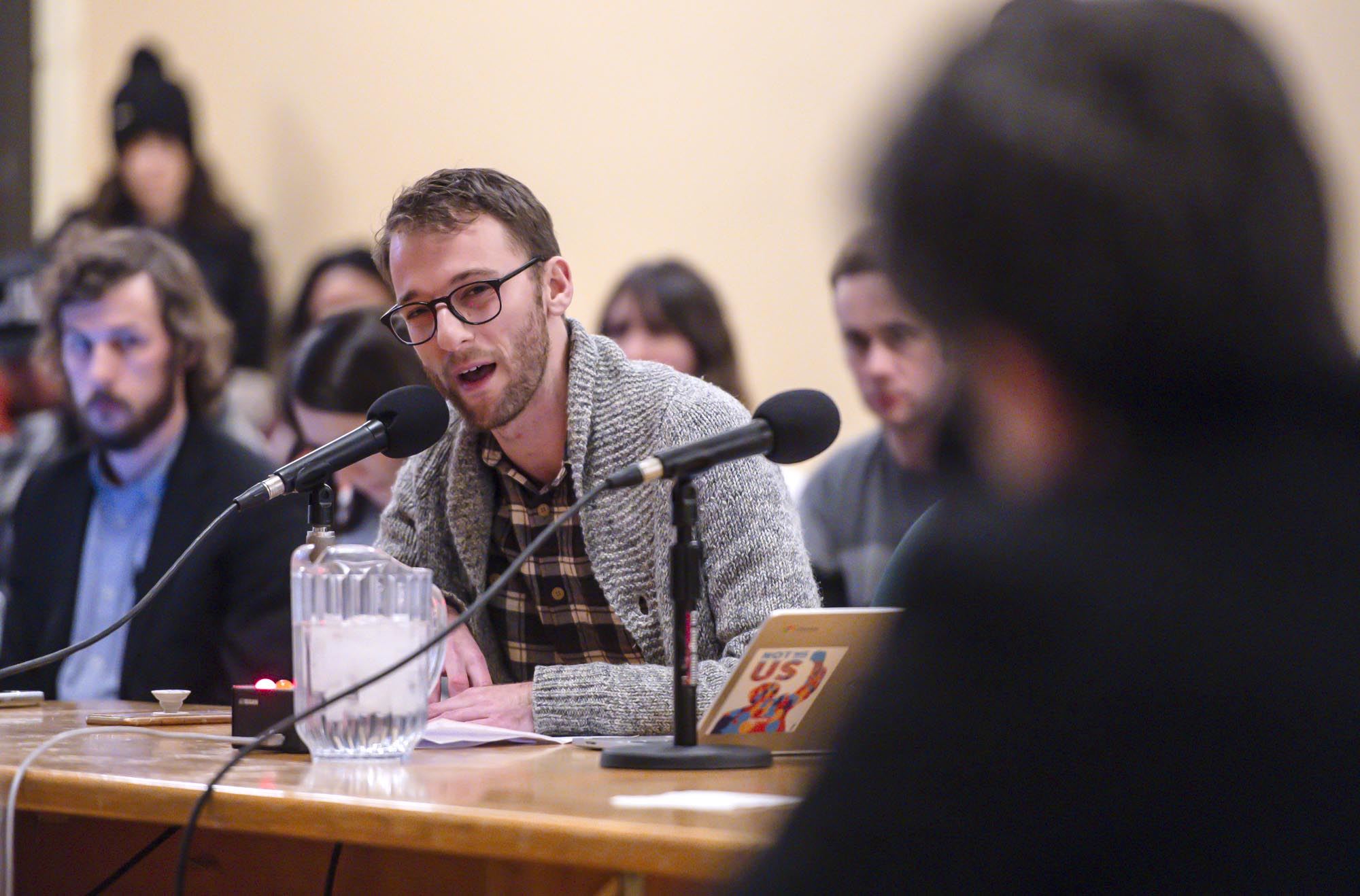
“I think what is needed is a really clear policy laying out that we want to preserve life,” Diaz said. “We want to emphasize de-escalation, we need to ensure data collection for use of force and transparency and accountability around every incident.”
The committee has a Feb. 10 deadline to bring recommendations on use of force and community oversight back to the city council.
Harp said that he thought the committee’s members were enthusiastic about trying to solve the problems that led to its creation, but he hoped work on the issue would continue past the submission of the committee’s recommendations.
Weinberger said the jury was still out on whether the committee would be able to bring recommendations that would improve the department.
“I hope that everyone on that committee, coming from these different perspectives, will kind of dig deep and work hard and try to find consensus,” he said. “Because I do think work still needs to be done in this area. And I think this process could help that lead to some continued positive change.”
Some members of the committee, including Neubieser, are concerned that it won’t be able to provide the depth of recommendations in the alloted time, and said they were worried this committee’s work would be seen as a conclusion of the city’s work on police reform, not the start.

Skyler Nash, the vice chair of the committee, said he didn’t believe the city council wanted to expend the political capital needed to give the committee the time it needed to propose substantial reform.
“There needs to be some serious, serious structural changes, not just specifically with officers, I think that extend to oversight and the entire process that is policing in Burlington, the entire institution,” he said.
