

BURLINGTON — The city school district is proposing a budget that will lead to a larger property tax increase than in recent years, with a $91.5 million budget for fiscal year 2021 that is expected to increase the property tax by 7.4%.
The school board approved the budget in a unanimous vote Tuesday night, and voters will need to approve the budget on Town Meeting Day March 3. The fiscal 2021 budget is a 3.1% increase over the 2020 fiscal year budget.
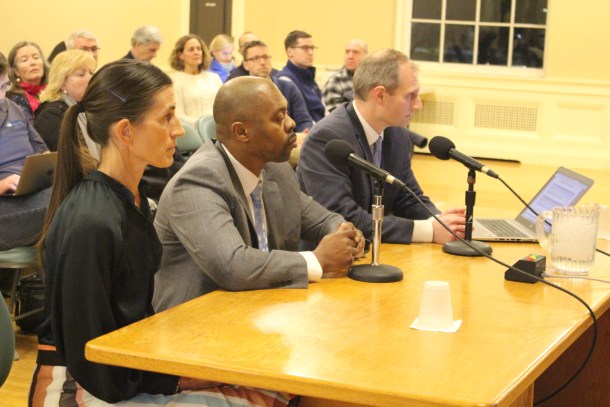
Superintendent Yaw Obeng, School Board Chair Clare Wool and Nathan Lavery, the district’s director of finance, presented the budget to the City Council Tuesday night.
Obeng said it was an “extremely challenging” budget year for the district. He said just carrying over the current year’s programming would have resulted in a tax increase of nearly 11%.
“We thought this would not be well-received by the community and wanted to find some strategies that would maintain our quality programs while at the same time, be acceptable and viable to the community,” he said.
The budget was set to go up dramatically based on predicted growth in wages, health insurance, special education costs and debt service.
To reduce the increase, the board made $695,000 in cuts and applied a $1.3 million surplus. The district lead principal and in-house counsel positions were eliminated. Obeng said the surplus came from a number of sources, including central office and heating and lighting savings.
Additionally, the district found additional savings in reducing its estimates for the city retirement fund, special education funding and health insurance cost estimates. The district increased a contingency fund to cover any expenses in these areas if they come in higher than the reduced estimates.
For a taxpayer living in a house that is assessed at $250,000, the tax increase is expected to be be $357 a year. The increase for those paying on based on income, the increase will be 3.18%, meaning a person who makes $50,000 a year will pay $38 more next year.
Obeng said funding variables at both the state and municipal level are not working in the district’s favor this year. A drop in the city’s Common Level of Appraisal is having a “serious impact,” he said.
Last year, the district proposed a $88.7 million budget, representing a 4.4% increase over the previous year. Taxes went up 4.7% in 2019.
“We do recognize that the constituents have supported us, and they want us to balance how we put budgets forward,” Obeng said. “There’s never an elegant solution, but I think we’ve done a pretty good job of trying to show the needs and wants, and we’re really just making sure we bring forward what the needs are while at the same time continuing to offer quality programs.”
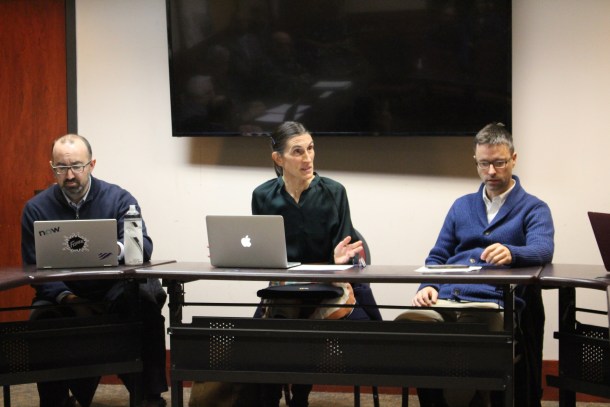
Councilors stressed that education is a top priority while expressing concern about increasing taxes and the city’s affordability.
Councilor Sharon Bushor, I-Ward 1, said she was concerned about any tax increases but thanked the district for its work to lower that increase.
“I see the bind you’re in, I see the fixed costs that are driving your budget, and I want to thank you for what you’ve gone through,” she said.
Later in its meeting, the council passed a resolution asking the Legislature to revise funding formulas to assure “that all Vermont students have equal opportunity in education,” following the publication of a major new education funding report earlier this month.
The study recommended that poor students and English-language learners be weighted significantly more heavily that they currently are in the state’s calculations for education funding.
Councilor Joan Shannon, D-South District, said that changes to the education funding formula were crucial for Burlington students and that the current weighting was “outdated at best.”
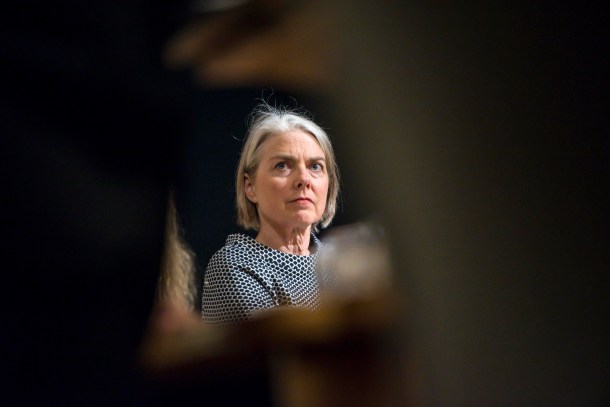
“Really what this is about is making sure we are providing an equal education to all students in Vermont,” she said. “The costs of educating different kinds of students in different environments is reflected in how we do that. Our school system is suffering under the current weighing guidelines, and we really need that to change.”
The study “makes clear that Burlington students as well as many other students in the State of Vermont are not receiving equal education funding due to weighting guidelines that are outdated and inaccurate,” according to the resolution the council passed.
The resolution is being sent to every Burlington representative and Chittenden County senator, with the request they take action on it this session.
While some in the Legislature are pushing for wide-ranging changes to educational funding this session, it appears unlikely that the Legislature will act this session in the second year of the biennium.
Obeng said that he believed that the funding system formula could be more equitable for students who are English-languange learners, New Americans, special education students and students on free and reduced lunch.
“I hope at the end of the day they [the Legislature] do follow through, because I think it will be beneficial to Burlington but it will also be beneficial to other districts in the state as well,” he said.
The council also unanimously voted to put a 3.5% increase to the city’s municipal tax rate to pay to operate an ambulance in the city’s New North End on the March ballot. The 3 cent increase to the public safety tax will pay for the hiring of nine new firefighters to staff the additional ambulance.
