

A Burlington police officer who filed suit against the Vermont Police Academy after she suffered hearing loss and a serious concussion during a training scenario has settled the case for $30,000.
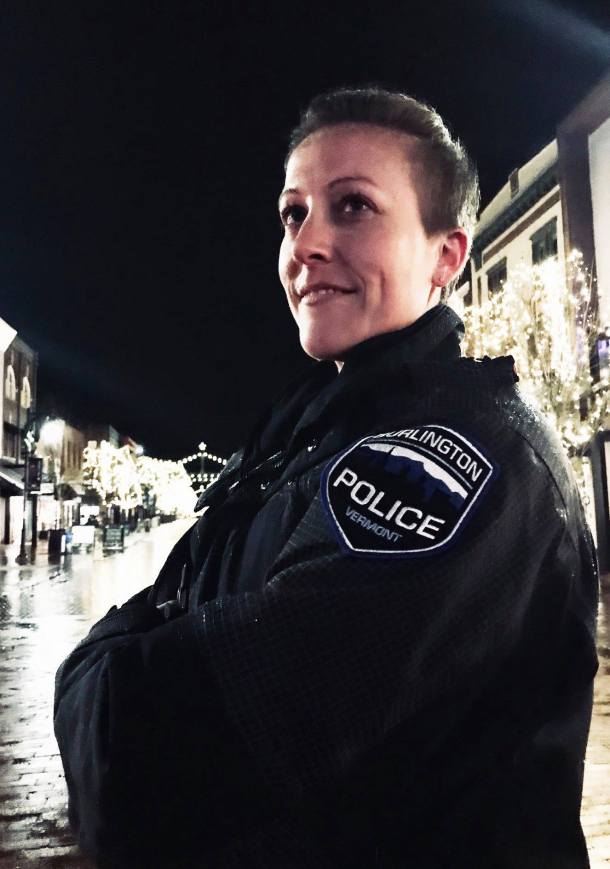
The settlement in the case brought by officer Erin Bartle, which centered on the “hitchhiker scenario” exercise, also requires the academy to complete an ongoing review of the use of force in its training courses and to implement new safety protocols.
The “hitchhiker scenario” exercise involved a training officer acting as a hitchhiker on the side of the road. When a recruit would look down to reach for the “hitchhiker’s” ID, the trainer would strike them in the head, sometimes repeatedly.
The controversial exercise resulted in numerous officers sustaining injuries, some serious. In 2018, Burlington Police Chief Brandon del Pozo said the exercise had “shaken our faith in the Academy.” He called on the Vermont Criminal Justice Training Council, which oversees the academy, to conduct a full investigation.
In the settlement with Bartle, the academy agreed to complete an independent evaluation of the use of force in training scenarios, which began earlier this year, within six months. Under the agreement, the academy will also train instructors in recognizing concussion symptoms and ensuring recruits receive medical attention when necessary.
“There’s no reason to believe any of these things would have happened had she not come forward,” said Jerry O’Neill, who represented Bartle.
After Bartle graduated from the academy, the exercise was modified to include less physical force. O’Neill said she was very happy to see that change made.
“The reason she came forward is because she learned after she had been at the academy, other officers had been hurt, had been concussed,” O’Neill said. “She felt awful about that.”
Though the council originally declined to conduct an investigation into the practice, after del Pozo publicly condemned that decision, they agreed to request an “outside, independent investigation” on the hitchhiker scenario, along with any other training exercises involving use of force.
Rick Gauthier, the council’s executive director, said that the council had believed the exercise was appropriate, “or we wouldn’t have used it.” He also questioned whether the exercise was as effective after it was modified to not include blows to the head. Gauthier did not respond to request for an interview about the settlement.
Del Pozo said Wednesday he was glad the state recognized a need to take into account that an officer was injured and offer her a settlement.
“I think we need to balance realistic training with training that gets officers to graduation safely and doesn’t injure or harm them,” he said. “I don’t think we had struck that balance until we had this get publicized, and now we’re much further along.”

