


Four bills aimed at addressing racism in Vermont fell flat this session — but racial justice advocates are OK with that. They said the bills were flawed, and lacked perspective from the people they aimed to protect.
In March, a letter from a group of concerned minority activists asked legislative leaders to hit the brakes on a few bills that they said should have been written with their own communities’ input from the beginning.
None of the four key bills they identified — S.120, S.132, H.496 and S.83 — passed this session. S.83, a bill that would have prohibited agreements preventing an employee working for an employer after settling a discrimination claim, passed the Senate, but ultimately died in a House committee The others, aimed to do things like address incidents of racism and bias, and upgrade the administration position of executive director of racial equity to commissioner of racial equity, didn’t even get that far — stalling out in committee after the letter was sent.
“White folks were really concerned after they saw what we’d been talking about for so long happening to Kiah Morris,” said Tabitha Pohl-Moore, president of the Rutland Area NAACP.
“They wanted to do something about it, which is good, but doing something for us without us is never good.”
Pohl-Moore said even though the legislation isn’t moving forward this session, she still thinks the state is moving forward, by circling back and including the people who the bills impact the most.
Julio Thompson, an assistant attorney general in charge of the civil rights unit, said lawmakers just didn’t have enough time to do their homework on the bills this year. He said the kind of things that are up for discussion, like creating a civil penalty for repeated harassment in incidents of hate, can be subject to First Amendment challenges, especially if they’re not crafted carefully.
“It’s not helpful to pass a law in the rush of an otherwise very busy session. If the law has language that might be subject to a legal challenge,” Thompson said.
Going into next session, Pohl-Moore said there’s a plethora of race-based issues Vermont needs to look at, including everything from housing to fair and impartial policing to issues affecting indigenous peoples in the state. But as far as the specifics of what kinds of bills they’re thinking about, she said it’s impossible to say, since so many voices were missing from the table when legislation was being discussed this session.
“I’m someone they talk to a lot, so everyone already knows what Tabitha thinks,” Pohl-Moore said. “But there are a lot of voices not being represented.”
Sen. Dick Sears, D-Bennington, said this year wasn’t a total wash when it came to anti-racism legislation, noting bills that passed on fair and impartial policing and on teaching about racism in Vermont schools.
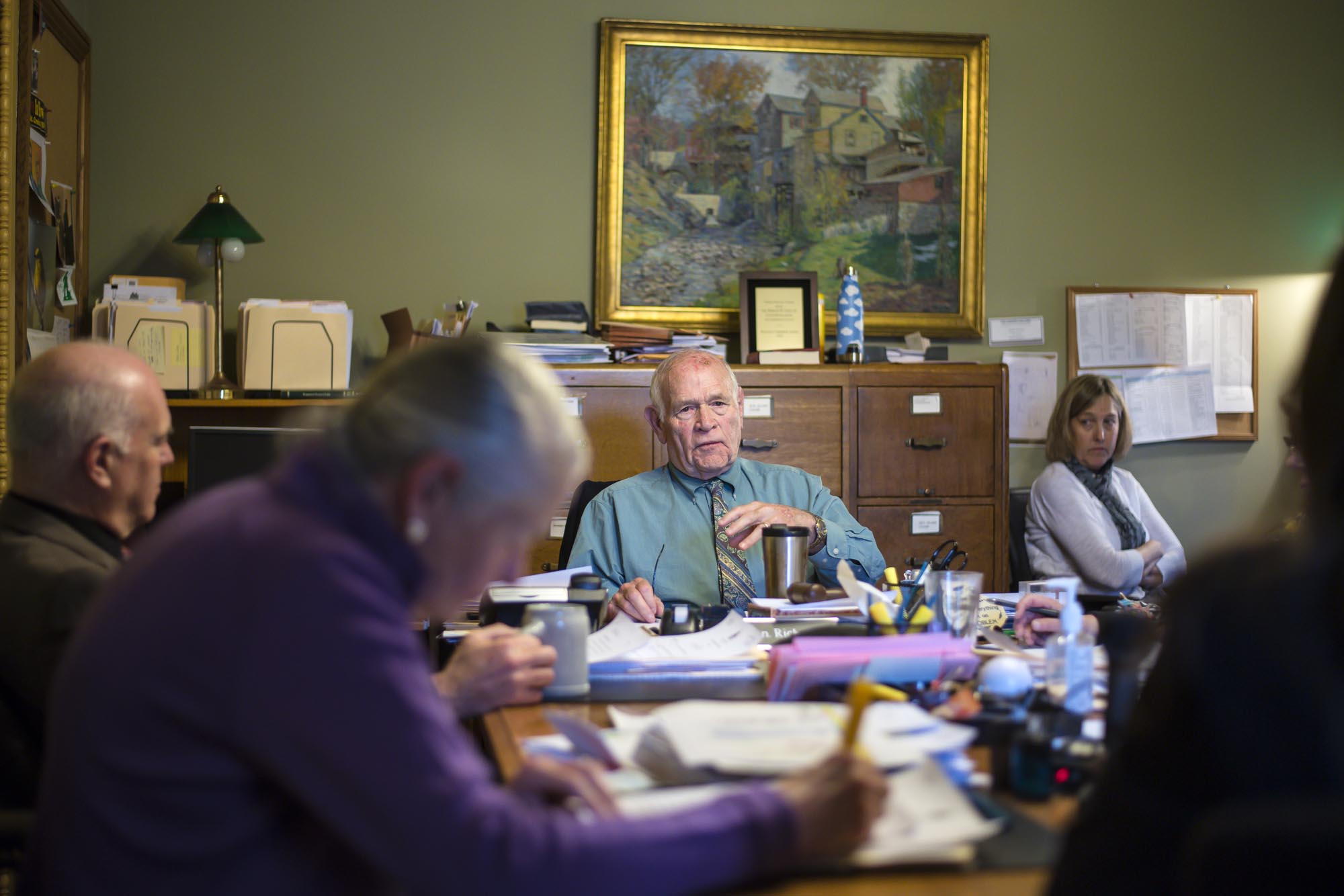
“We’re making headway, but it’s really difficult,” Sears said.
He said lawmakers took a lot of testimony on topics of racial equity, and are working to create legislation that addresses their needs.
“You know it’s a process that you go through,” Sears said. “And you hear from all sides, but very rarely satisfy everyone.”
He said he’s still has to recover from this legislative session before thinking about what could be done differently in the next one. But Pohl-Moore said she’ll be going on a retreat this weekend with the Vermont Coalition for Ethnic and Social Equity in Schools, and said they’re already excited about working on what to do moving forward.
“This was not a defeat of any sort,” Pohl-Moore said. “We’re just regrouping and thinking about how we can do this better for next session.”
“Just like the proverb says,” Thompson said. “Measure twice before you cut. Make sure you do things right.”
