


[G]eneral Electric on Thursday reported lower-than-expected revenues in 2018, but said it expects to see continued growth in its aviation division – the area that employs about 1,200 people at two plants in Vermont.
The Boston-based, publicly traded conglomerate released disappointing earnings news in a report to shareholders on Thursday. Its new CEO, Larry Culp, said in a statement, “We have work to do in 2019, but we expect 2020 and 2021 performance to be significantly better.”
The company reported 2018 revenues of $105 billion against anticipated revenues of $113.6 billion. The company and its affiliates employ about 283,000 people worldwide, about 97,000 of them in the U.S., according to the company’s annual report. It’s divided into divisions focused on power, renewable energy, aviation and health care. It has been selling off business units and closing some of its operations in an effort to save money.
However, Culp identified aviation as one of the strong areas for the company, and he predicted that growth would continue in 2020. The company’s aviation division employs 48,000 people worldwide.
“In 2018, weak execution and markets in Power were partially offset by strength in Aviation and Healthcare,” he said in the annual report. “We made major changes to GE’s strategy, portfolio, leadership, and board — my own appointment included.” Culp was appointed in October.
Culp said in the annual report that 2018 was “outstanding” for its aviation division, which expanded its profits by 20 percent. He expects that growth to continue as commercial and military spending on aircraft rises. GE says that it powers two-thirds of commercial aircraft departures.
“In aviation markets, demand for air travel continues to grow, with more than 4.5 billion passenger departures projected in 2019,” he said. “Relatively low fuel prices enhance commercial airline profitability and support continued operation of mature-fleet aircraft, while global defense spending is rising at its fastest rate in a decade.”
Patty Minichiello, who works as a spokesperson for GE in the Rutland area, said GE is hiring at its plants there and in Clarendon. The company also last year won a $517 million contract with the U.S. Army to develop a helicopter engine. Along with engines, GE in the Rutland area makes blades for gas turbine engines.
“GE Aviation is performing well,” said Minichiello. “We are on more engine platforms than any other aircraft engine manufacturer around the globe. In Rutland our volume is increasing steadily and we are developing seven new products for both commercial and military engines.”
Minichiello said the Rutland operations are hiring 50 new people a month for the next four months.
“Our goal is to net 200 new people in the first half of 2019,” she said.
Vermont economic development officials have been working for a decade to promote aerospace as an area of manufacturing in the state. Other large aerospace companies are Collins Aerospace in Vergennes, which employs about 1,000 people, and Kaman Composites in Bennington.
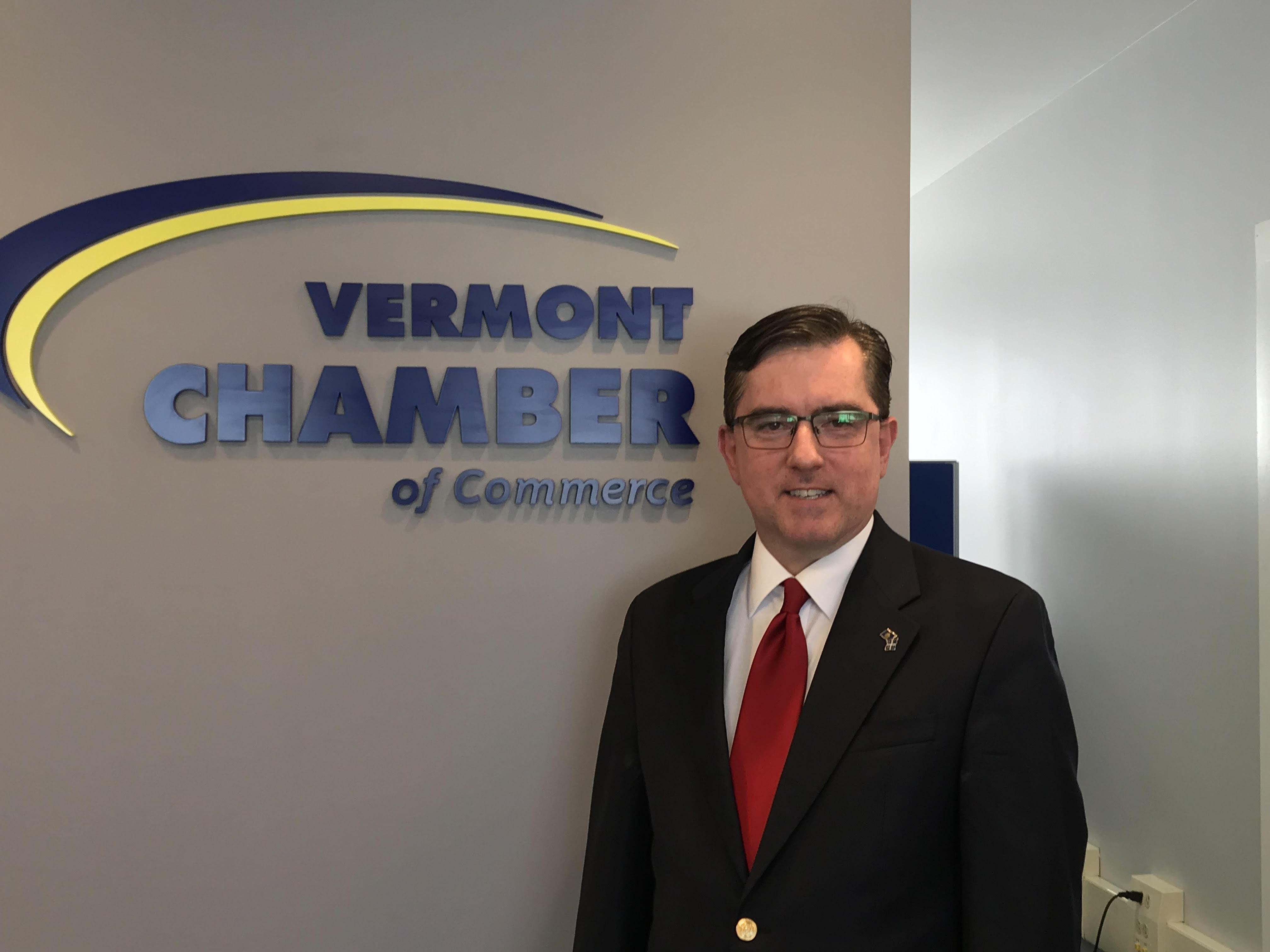
“We are essentially the nexus between two significant aerospace clusters, Quebec and Connecticut,” said Chris Carrigan, VP of business development at the Vermont Chamber of Commerce. “We have an economic development opportunity to transform Vermont into a supply chain hub.”

