


During his 2016 campaign for president, Sen. Bernie Sanders was dogged by critiques that his inner circle included neither diverse opinions nor people. And on the campaign trail, Sanders struggled to earn the support of minority voters, who overwhelmingly backed former Secretary of State Hillary Clinton in the Democratic primaries.
But in his 2020 presidential run, Sanders appears to be looking to broaden his appeal with people of color. As the campaign begins to fill positions, Sanders seems to be prioritizing placing people of color in the nucleus of his team while he begins to woo minority voters in key primary states.
But it remains unclear if he will be able to garner support from these communities that, for the most part, rejected him in 2016.
Sanders has yet to officially name his campaign staff, but close adviser Nina Turner — who is also president of the Our Revolution political group founded by the Vermont senator — said in a recent interview with VTDigger that Sanders will be taking steps to make sure the makeup of his 2020 campaign is markedly different from that of his 2016 operation.
“This is vitally important and it is going to happen,” Turner said about adding people of color to key positions. “Sen. Sanders understands this and people will be pleasantly surprised.”
Hours after announcing he was running for president on Tuesday, the Daily Beast reported that Sanders had hired Faiz Shakir as campaign manager. The Sanders campaign is expected to announce its full team later this week.
Though it has yet to be confirmed by the campaign, the 39-year-old Shakir — a progressive activist and former political director for the American Civil Liberties Union who identifies as a Muslim — appears set to run the presidential effort for Sanders, who is Jewish.
On Thursday it was announced that the campaign’s four national co-chairs would be U.S. Rep. Ro Khanna, D-Calif., who has been a frequent collaborator on a number of bills with Sanders; San Juan Mayor Carmen Yulín Cruz; Ben Cohen, the co-founder of Ben & Jerry’s and a prominent Vermont progressive activist; and Turner. With the exception of Cohen, all the chairs come from minority communities.
In 2016, Sanders initially put together a mostly all-white leadership team helmed by longtime adviser Jeff Weaver — who the campaign announced in January would not be returning to the role.
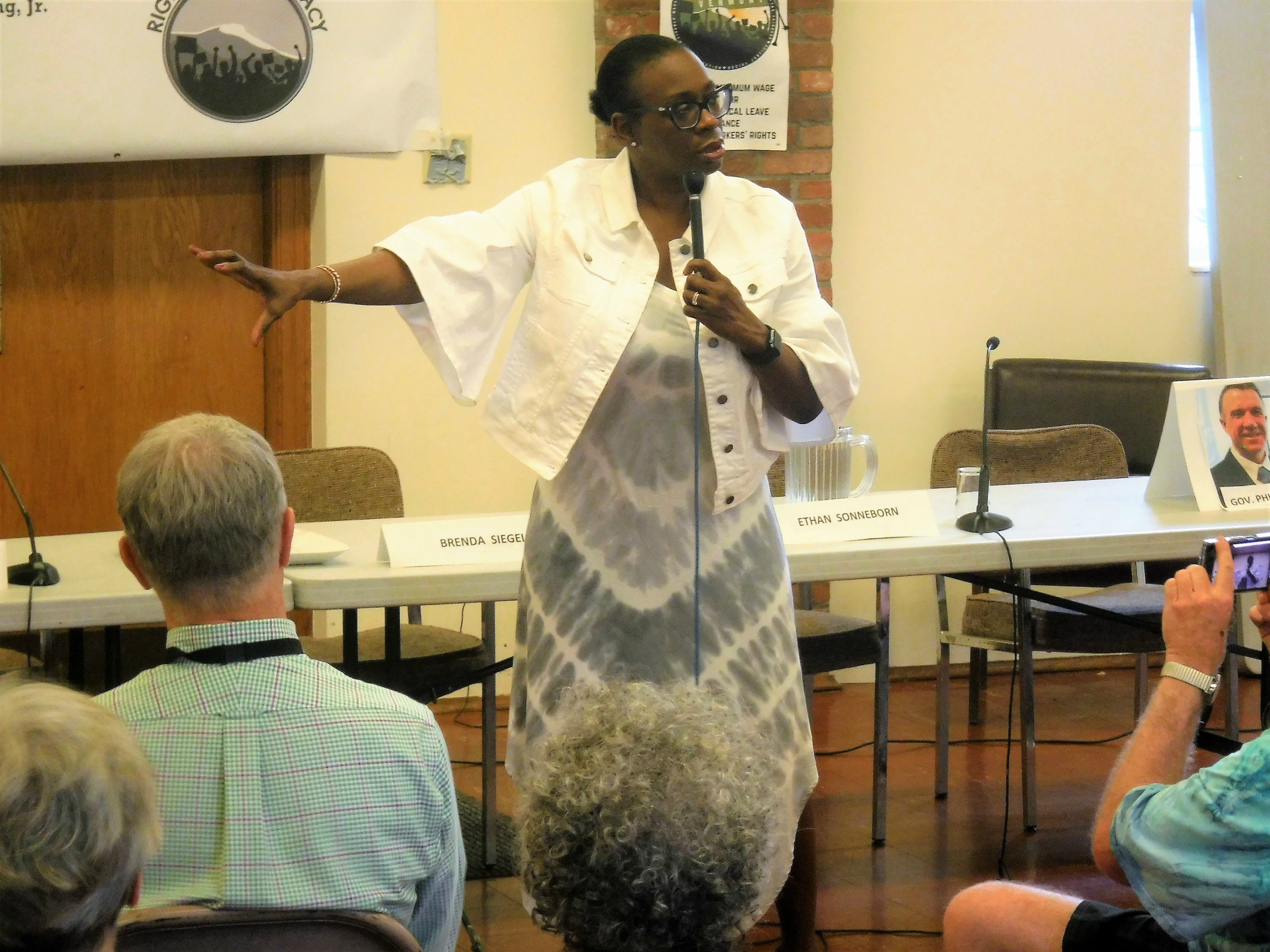
When he announced his first run in April of 2015, Sanders’ campaign prioritized a strong presence in states like Iowa and New Hampshire, both of which have early primary contests and are predominantly white demographically.
Sanders did well in both, capturing 49.6 percent of the vote in Iowa and more than 60 percent in New Hampshire.
He faltered in more diverse states like South Carolina, Alabama, Mississippi and Texas. He captured only 26 percent in South Carolina, 19 percent in Alabama, 16.5 percent in Mississippi and 33 percent in Texas.
These southern state primaries are expected a large role in determining Sanders’ success as a candidate.
Entering the presidential race two months earlier than he did during the 2016 cycle, Sanders has more time to reach out and strengthen his connection with African Americans and other minority communities, according to Turner.
“He will have to take his platform to the next level,“ she said. “We now know what we didn’t do in 2016, but the deeper he goes with his message to the African-American community, I think we are going to get a complete turnaround with how that community has supported him.”
Tabitha Pohl-Moore, president of the Rutland-area branch of the NAACP, who has been a longtime critic of what she feels is Sanders’ lack of attention to racial justice issues, said she is unsure if the early makeup of the campaign signifies a change for Sanders, or whether it is more for aesthetics.
“It depends,” Pohl-Moore said. “Are they there to inform him on issues that are affecting communities of color or are they there to do canvassing?”
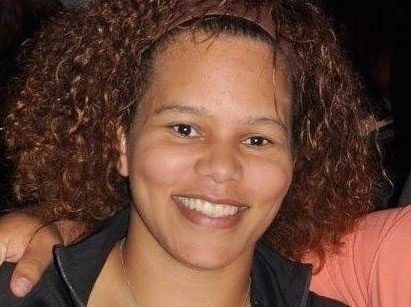
“I would assume they are there to advise on multicultural affairs. If they are, it is a good thing and it shows that he has been listening,” Pohl-Moore continued. “But what is next is will it change anything. If they are there for more than optics,then great.”
Khanna, who has enjoyed a close-up view of how Sanders operates in Congress over the past two years, said the Vermont senator is better placed this time around after he has built a track-record of delivering on raising the minimum wage and helping to lower prices on pharmaceuticals that he did not have when he lost to Clinton in 2016.
“It’s not just he has progressive values but that he knows how to get things done in Washington, D.C., and this is different than what he was able to do in in 2016,” Khanna said. “Now he has a real track record of delivering on these issues and he will be able to point to this when he is talking to voters.”
But national political experts are not convinced Sanders will be able win the support of the African-American community and other minority groups, particularly with an already diverse field of candidates.
Observers say the candidacies of Sens. Kamala Harris of California and Cory Booker of New Jersey, both of whom are African-American, will make it difficult for Sanders to attract black voters.
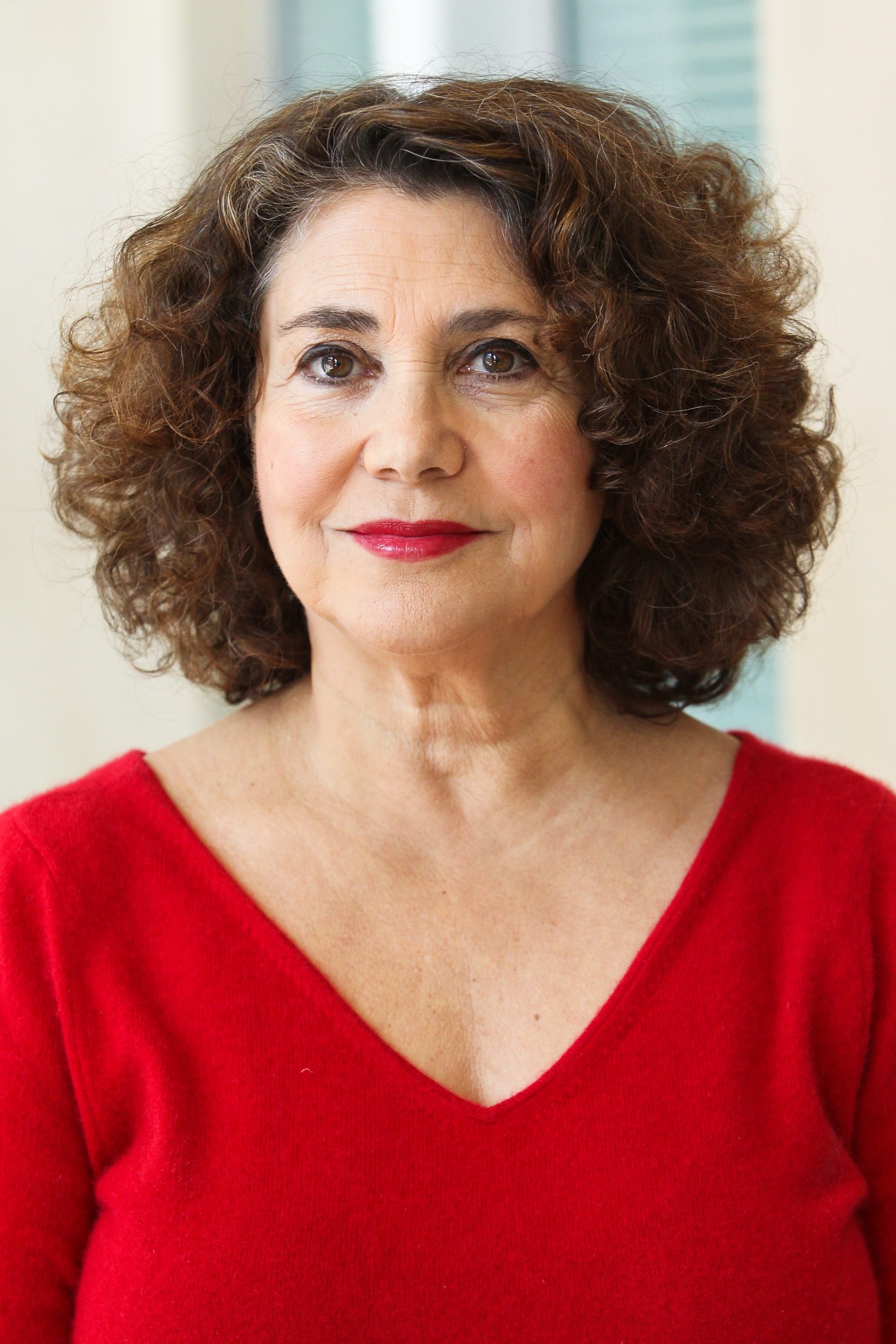
“I think he is going to face some hurdles,” said Elaine Kamarck, a presidential campaign expert for the Brookings Institution in Washington. “There’s some resentment in that community that he treated Hillary badly and I think that lingers. He’s going to have to overcome that and that there are two younger African-American candidates in the field.”
Mark Siegel, a former executive director of the Democratic National Committee in the 1970s, said he believes Sanders still has a problem reaching African-American voters that will continue to make primaries in southern states difficult to win.
“He still has his problem with the black constituency, so that makes South Carolina a very far reach for him to do reasonably well,” Siegel said. The South Carolina primary is a little more than a year away.
Pohl-Moore said Sanders can improve his relationship with African-American voters, but that he will have to do much better than he did in 2016 — especially with Harris and Booker in the race.
“Both Kamala Harris and Cory Booker bring a perspective that he does not have,” Pohl-Moore said. “If he wants to do a better job with minority voters, he’s going to have to up his game.”
Larry Sabato, the founder of the Center for Politics at the University of Virginia, said he doubts Sanders’ team believes its candidate can actually come close to winning most black voters, and that naming Turner, Khanna, and Cruz as campaign chairs does not necessarily mean Sanders is interested in anything but appearances.
“I suppose they will try to get a larger share than last time, but this may be more about image,” Sabato said.
“Sanders needs to demonstrate his campaign is inclusive, at a minimum.”
Xander Landen contributed reporting.
