


[B]URLINGTON — Jane Knodell has been a Progressive political force in Burlington since she was first elected to the City Council in 1993.
She’s served on the council for a majority of the time since then, including stints as council president, and is the longest-serving Progressive councilor in city history. An economics professor at the University of Vermont, Knodell rose to the rank of provost, a top academic position at the university.
A 2015 Seven Days headline even asked if she was the queen of the Queen City.
But heading into last Sunday night’s Progressive caucus, Knodell was worried.
A challenger, newcomer Perri Freeman, had emerged, and the community organizer had flooded the caucus with an energized group of Old North End Progressives.
During the caucus, the differences between the two candidates was stark.
Knodell talked about her years of experience and her knowledge of how to leverage city funds to community activists. Freeman drew differences between herself and Knodell’s vote for Schurz Communications in the Burlington Telecom sale and support of the CityPlace development.
Knodell’s endorsement of Republican City Council president Kurt Wright in his re-election bid to the Legislature was also questioned by caucus-goers. Working for the liberal group Rights & Democracy, Freeman had led efforts to unseat Wright and elect Democrat Bob Hooper.
When the votes were counted, Freeman had pulled off an upset win with 85 votes to 55 for Knodell.
The result has energized an emerging wing of younger Progressives in the city, who see the upcoming March Town Meeting Day as an opportunity to wrestle political power from Democratic Mayor Miro Weinberger and his supporters on the council.
It also has some older Progressives, and other members of the city’s political establishment, concerned that Knodell’s loss represents a blow to pragmatism in the state’s largest city, and a loss of an experienced councilor willing to reach across the aisle without sticking to a rigid political ideology.
And one major question remains in the minds of political observers in the city: Will Knodell jump into the race for her seat as an independent?
How did Knodell lose?
Freeman, who is 27 and moved to Burlington in early 2017, touted her experience as an organizer during the caucus. This organizing experience — working with groups like the Neighborhood Planning Assembly in the Old North End, Rights & Democracy, and the Vermont Workers’ Center — helped her have enough supporters at the caucus to propel her over the top.
“We did a lot of organizing and there were probably a lot of people who were more or less disappointed in quite a few key votes,” she said. “In a lot of ways, those votes motivated people to turn out.”
During a question-and-answer portion of the caucus, some Progressives pointedly questioned Knodell, primarily about the BT and CityPlace votes and the Wright endorsement.
Knodell told the caucus that she was forced to pick the second best option for the BT sale when it became clear that the Keep Burlington Telecom Local co-op had no path to success on the council. On CityPlace, she said that the council had worked to improve the project and voters had supported the zoning changes to allow it.
As for the Wright endorsement, Knodell said after the caucus that no Progressives were running in the race and that in working with him on the council, Wright has impressed her.
“I think he is a very skilled legislator, he is a moderate Republican, and I think we need the voices of moderate Republicans in the state of Vermont,” she said.

Freeman, in contrast, said that she would have voted for the local telecom co-op and that she had concerns about the CityPlace project. Progressive city councilor Max Tracy said Freeman was able to draw a clear difference between herself and Knodell on those issues.
“All of those things created a trend in the minds of people on how councilor Knodell has voted on the issues,” Tracy said. “I think people are looking for a clear difference from the Weinberger administration, and those votes were in line with the Weinberger administration.”
Shay Totten, Rights & Democracy’s communications director, has been observing city politics for decades. Rights & Democracy has not endorsed in the City Council races yet and is remaining neutral until it goes through its endorsement process.
But Totten said some members were concerned about Knodell’s endorsement of Wright. Totten said that in Montpelier, Wright had voted against a number of bills the organization had strongly supported, including paid family leave.
“For Rights & Democracy members, the endorsement of Kurt Wright got a lot of people upset,” Totten said. “Others were scratching their heads at how she could do that and uphold Progressive values.”
Freeman and her team’s ability to organize for the caucus impressed across the board.
“Caucuses are about who shows up, and to Perri’s credit, she turned out a good crowd, and my crowd that turned out was smaller,” Knodell said. “Caucuses are not, of course, representative of a wider district, but of the people who decided to come out.”
What does it mean for the party?
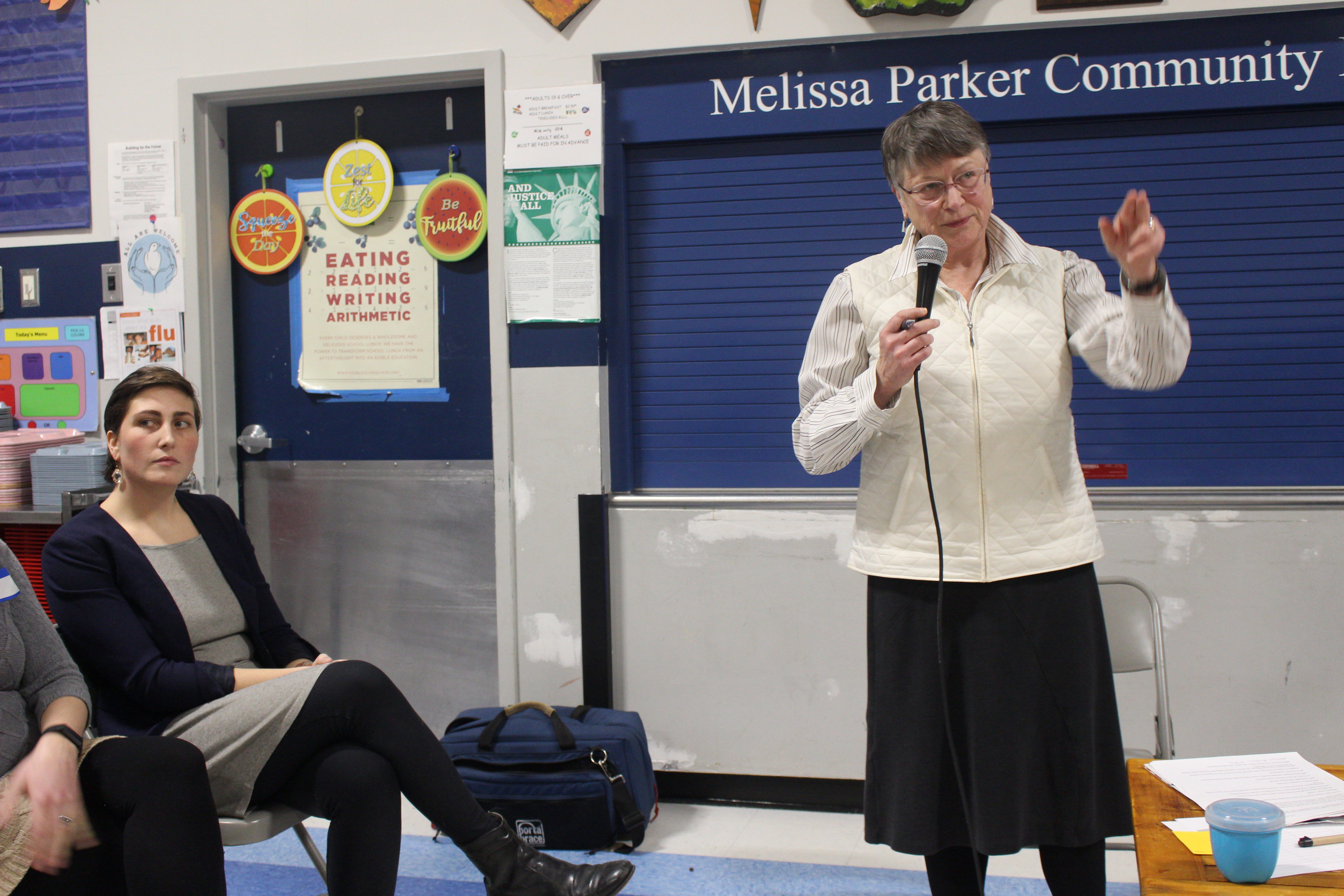
Knodell said that while she believes she hasn’t changed, the electorate at the Progressive Party caucus has.
“I think that I’m still doing the work I’ve done over 20 years delivering for the Old North End through being effective in city government,” she said. “I think maybe other people’s preferences for what they want to see in a Progressive city councilor is different from what I offer.”
Totten said he has noticed increased involvement in city politics from a new generation of Progressives in the past couple of years.
“There is an increasingly vocal and younger contingent who have concern about the direction of the city, and those are the folks who showed up at the caucus,” he said.
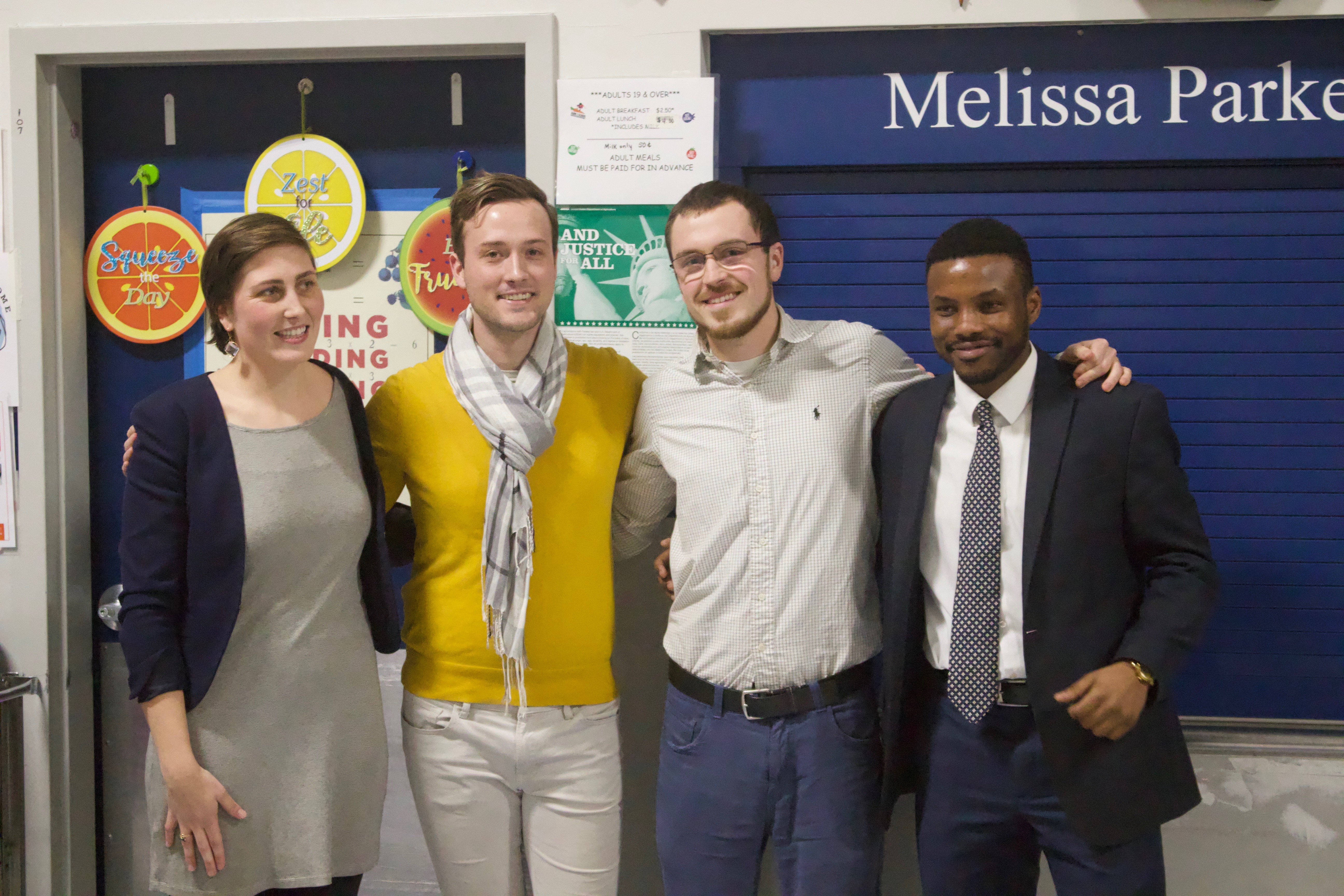
The Progressive slate is significantly younger than the average city councilor. Freeman, running against Democrat Jared Carter, and possibly Knodell, is 27. Knodell is 63, and Carter is 37. Jack Hanson, running against Democrat Richard Deane in the East District, is 24. Mohamed Jafar, running against Democrat Joan Shannon and Republican Paco DeFrancis in the South District, is 22. DeFrancis is 27, and Shannon is 54.
And Kienan Christianson, running as an independent with the Progressive endorsement in the North District, is 30. Incumbent Dave Hartnett unexpectedly dropped out of the race last week.
Josh Wronski, the Vermont Progressive Party’s executive director, said he saw the caucus results as a sign of a generational shift. He said that while Knodell has done good work during her career, younger Progressive activists are putting forward a new vision and have become more active in the district.
“It has been a little bit troubling for me that all of the attention seems to be on Jane right now, but probably the biggest factor is people wanted to support Perri, who has been tremendously involved in the community on progressive issues,” he said. “I think people have been excited by the vision that Perri put forward and what she represents for our community.”
If elected, the Progressive candidates would make the council more demographically aligned with the city’s population at large, said Jafar, who grew up in Burlington as a refugee and recently returned after graduating from college.
“I think our City Council is made up of a very similar demographic, and I want to change that up so we are taking a direction where we really include everyone,” he said.
Hanson said that people in his generation have been disillusioned by the political system they grew up in and are starting to push back. He said it is exciting that young people are stepping up and getting involved.
“Burlington is a very young city, so I think that this is representative,” he said. “We are really focusing on what are issues that both students, young renters, recent graduates and long-term residents have in common.”
While the median age in the state of Vermont is among the oldest in the nation at 43.1 years old, the median age in the city of Burlington is 26.7, according to DATA USA.
These issues include climate action, retention of public assets in the community, steps to build more affordable housing and deeper community engagement.
A handful of the young Progressives interviewed said they are inspired by, and see themselves in a similar vein as, recently elected New York Democratic Representative Alexandria Ocasio-Cortez.
However, some older Progressives, and others involved in city government, are less thrilled with the caucus results.
Progressive councilor Brian Pine endorsed Knodell at the caucus. He argued that Knodell had served the district well as a councilor and that the the party needed a big tent in order to amass political power and eventually win back the mayor’s office.
While he said seeing new, younger faces at the caucus was encouraging and exciting, Pine said later that he was concerned about the precedent Knodell’s loss set for the party .
“It felt like the middle-of-the-road but progressive person is being rejected, and if there is no room for that, I think that is a message which will turn people off,” he said.
Knodell said that she agreed with Pine’s assessment.
“You don’t win the mayor’s seat with hard left candidates, and I would hope that the party leaders do think about whether they’re narrowing the tent,” she said.
But Tracy disagrees with that assessment, saying the party needs to capitalize on energy of the younger generation of Progressives to be successful at the ballot box citywide.
For example, Tracy said in the 2018 mayoral race Carina Driscoll, who ran as an independent, was a more moderate progressive, while Infinite Culcleasure’s bid reached the party’s younger grassroots. Weinberger won re-election in the three-way race with less than half of the vote.
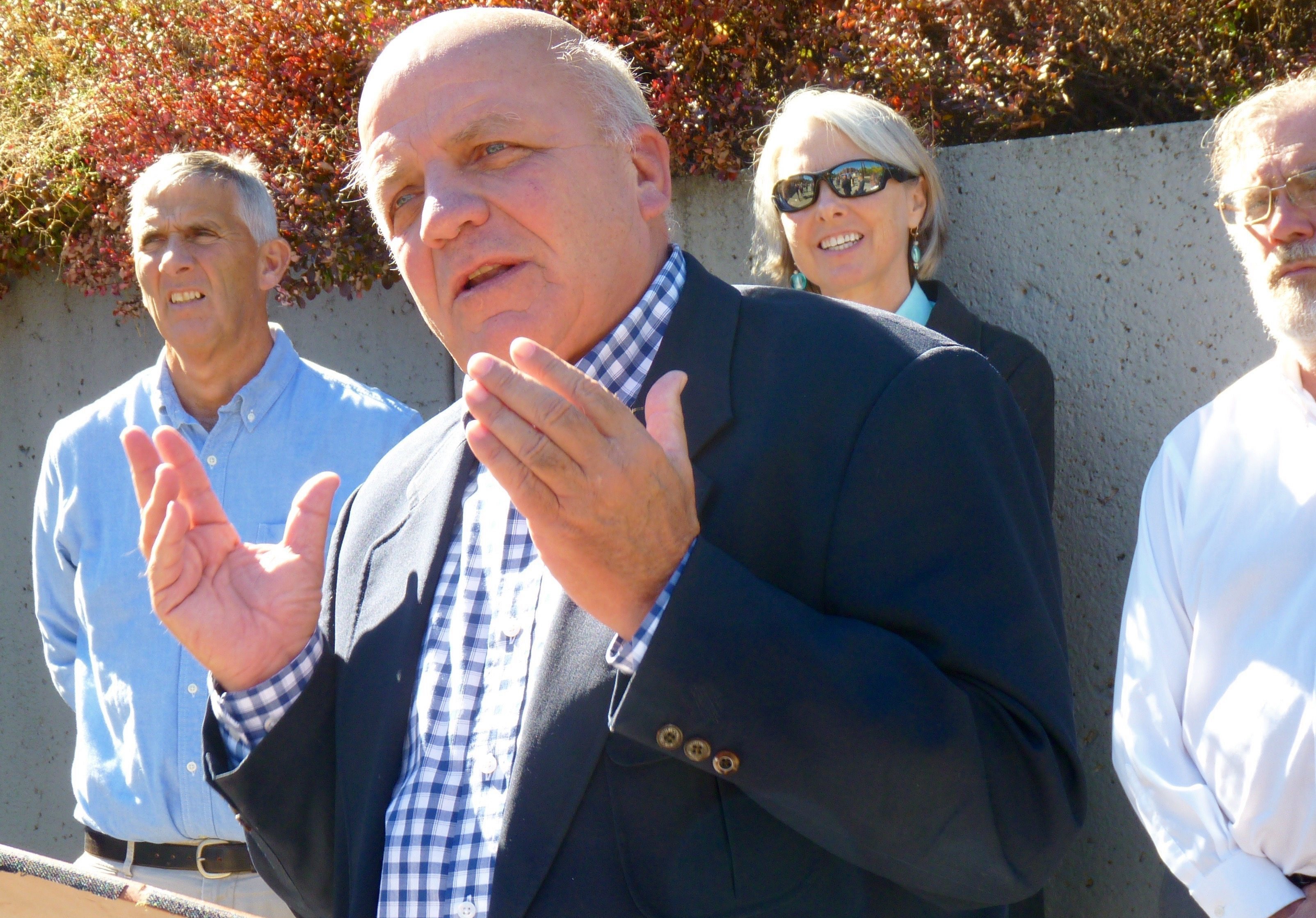
“I think that unless we … really create a clear alternative to the Democrats and their agenda, we’re going to see these challenges on the left that continue to create opportunities for the Democrats to maintain power,” he said.
Former Progressive mayor Peter Clavelle, who served from 1989-93 and 1995-2006, said he respected Knodell’s status as a pragmatic Progressive who is willing to cross party lines for the good of the city.
For example, Clavelle, who worked on a compromise between CityPlace developer Don Sinex and project opponents, said Knodell has been a leader on supporting sustainable downtown development.
“I do think that if the Progressive Party is going to continue to be a political force in this community that they need to temper their idealism with pragmatism,” he said.
Clavelle, who also ran with Democratic support in his latter years as mayor, said Knodell’s departure from the council would be a loss for both the community and the Progressive Party.
“If there isn’t room within the Progressive Party for one who has Jane’s values, but also her record of service, you have to wonder what the future of the party is,” Clavelle said.
Good Governance?
Pine said that he was concerned that the party would have a harder time governing and achieving its policy goals if it ejects Knodell and similarly experienced figures.
Pine said the party needed to temper the new energy with that of its members with governing experience.
“I think some experience in this arena is helpful, I think it’s undervalued and overlooked, and even unpopular right now,” he said. “There’s definitely a feeling among some that everyone in power needs to be replaced, and I think that’s a harsh solution.”
Furthermore, the job of the city government at its heart is delivering city services to residents, and solving problems along the way. He said that councilors working within strict ideological guidelines would limit the council’s effectiveness.
Pine said Knodel’s pragmatism is reflective of how former mayors Bernie Sanders and Clavelle both operated to advance progressive aims while making compromises.
Clavelle said that the party is most effective when it’s willing to work with others.
“I think we as a community were able to get things done because our values were coupled with pragmatism, and a willingness to work with a wide cast of characters to produce results and get things done,” he said.
Totten pushed back against the notion that the new, younger generation of Progressives wouldn’t be able to govern effectively if they gain political power.
He pointed to Freeman’s efforts to canvass for Hooper in the New North End, the most conservative region of the city.
“Their interest is more community minded, and not so attached to ideology,” he said. “I see folks who aren’t so ideologically purist that they’ll only talk to one sort of person to win or get things done.”
Freeman said that on the council, she would be willing to work across political boundaries to advance solutions to the city’s issues.

Often a vocal critic of Weinberger, Tracy said that during his time on the council, he has worked with the mayor on issues they agree on, including the opioid crisis and walking and biking in the city. Tracy said Burlingtonians want their representatives to take positions based on their values, and stick with them.
Democratic Councilor Joan Shannon has served on the council under both Progressive mayors Clavelle and Bob Kiss and Weinberger, a Democrat. She said the Progressive Party was moderated by the responsibilities of governing when it controlled the mayor’s office.
But now that it is out of office, Shannon said the party has taken a more oppositional tone.
“In general, it’s been easier for the elected Progressives to have less moderate ideas,” she said. “The party clearly has moved to the left in ways that I don’t think are terribly practical.”
Wright said that while he doesn’t agree with Knodell on many issues, her impact on the council is unmistakable.
“Her loss would be a really big loss for the council because she’s done great work on many issues,” he said. “Outside of party politics, she’s done a great job as a councilor.”
Election preview
Four seats are up for re-election this March — Knodell’s and three currently controlled by Democrats.
The current council includes four Democrats and an independent who consistently support the mayor and his initiatives. Wright, the council’s only Republican, is also often supportive of Weinberger.
Hartnett, a Democrat, independent Sharon Bushor and Knodell are more unpredictable swing votes, while the three progressives (including Ali Dieng, who is affiliated with both parties) often vote as a bloc. However, most resolutions find a different combination of councilors supporting or opposing them, for a variety of reasons.
The Progressives are feeling good about their chances to retain the seat in the Central District, which is the Progressives’ strongest territory, and take back some power elsewhere on the council.
The East District, where Hanson is running against Deane, includes UVM and the surrounding Hill Section and is expected to be a very competitive race.
The more conservative North District and the South District, where Shannon has consistently won with wide margins, are considered safer seats for the Democrats.
Christianson said that he thought the changing demographics and influx of new people in the New North End presented an opportunity for his campaign, which he said will be focused on engaging the community.
And with Democrat/Progressive Ali Dieng and Hooper’s success in the New North End and recent Progressive inroads in the South District, Wronski said the party believe all four seats are in play.
Knodell is currently weighing whether to launch an independent bid, which would shake up the Central District race.
She said she was planning on coming to a decision in the next week or so, and that she is hearing from voters in the district who say that they like she does not always vote the Progressive Party line.
“People in the Central District are saying, we were really sad to see what happened, we really value you, we hope you will run as an independent,” she said.

Carter’s platform aligns more closely with Freeman’s than the more moderate Democrats on the council. He said that political tribalism has made the current council — which is more or less controlled by the Democrats — “a disaster.”
He said that he likely agrees with Freeman on many issues and he wants to run a campaign on the issues of avoiding “too big to fail” development, re-investing in public assets and restoring the council as a co-equal branch of government.
Carter said Freeman’s caucus win would not change his campaign strategy.
“My calculus hasn’t changed one iota,” he said. “If Perri and I are both talking about those issues, all the better, we can elevate them even more.”
Wronski said he hoped Knodell would not pursue an independent bid, and instead pass the torch to Freeman.
“I think it would be unfortunate and divisive, since there is so much good work she’s done over the years,” he said. “I’d hope she would play a key role in mentoring Perri and supporting her in the city council campaign”
Tracy also said that he hoped Knodell would respect the results of the caucus and not run as an independent.
But Clavelle said he hopes Knodell gives an independent bid serious consideration.
“If Jane considers a run as an independent, I know that she continues to have serious support in the community, which was not represented by a majority of folks in that room,” he said. “But she has that base of support.”

