



Gov. Phil Scott isn’t getting into specifics about plans for the upcoming legislative session, but he said last week that his budget will include about $15 million in additional clean water funding.
The governor also said that he would likely pursue education cost-control measures and programs to attract more workers to Vermont, which were priorities in his first two years in office.
During his campaign for a second term, Scott said that he had a plan to fully fund long-term lake cleanup initiatives, but did not want to reveal potential funding sources until the Legislature was in session. He said on Wednesday that the plan would be in his budget proposal for fiscal year 2020.
“It’s the funding mechanism that makes up that amount of let’s say $15 million or so that we need to come up with an ongoing source,” he told reporters last week. “So again, you’ll see that in the budget proposal in January.”
Sen. Chris Bray, D-Addison, chair of the Senate Committee on Natural Resources and Energy, said that figure seemed to leave out another $10 million to $15 million in funding that is currently being covered by the capital fund but runs out this year.

Bray is pleased the governor has conceded that more state spending is needed to meet federal pollution reduction targets.
“It’s encouraging to me to hear that he thinks we need money, because a year ago he said the economy is growing so much we don’t need new money,” Bray said Monday.
Scott has also suggested that his plan will take money from existing programs — as opposed to creating a new tax or fee — which could be problematic, said Rep. Kitty Toll, D-Danville, chair of the House Appropriations Committee.
“I haven’t seen the plan,” Toll said Monday. “But I do know that in the past when we make reductions in areas, the Vermonters who are affected speak out against those reductions.”
Bray has previously proposed a flat $40 per parcel fee for landowners to fund clean water programs. Democrats also pitched a new hotel room tax to fund the efforts last year.
Both Scott and Toll said state employee pension debt obligations would eat up a sizable chunk of the budget, including some $40 million in surplus revenue expected to come in next year thanks to a strong economy.
“We’re paying for the sins of the past,” Toll said of the decision by policymakers over the past two decades to underfund pension debt payments, leaving the state on the hook for more than $100 million this year and additional debt payments scheduled to last until 2038.
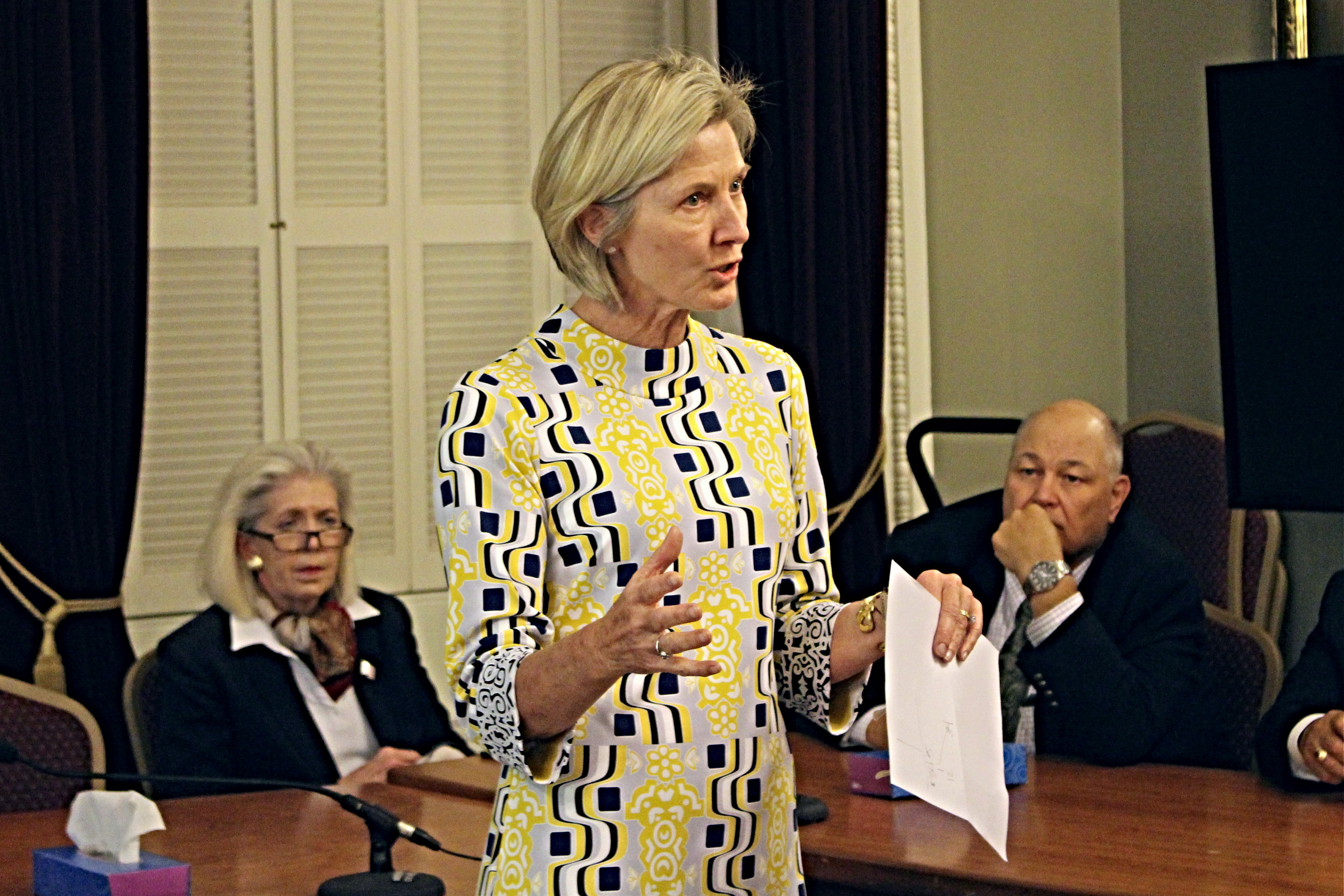
That makes spending on new programs, like clean water initiatives, all the more difficult, Toll said.
“This is nothing new — it just makes budgeting more difficult,” she said. “We have to prioritize, but we have to keep our eye on the ball with paying off this obligation we have that was handed to us.”
Facing a Democratic supermajority in both the House and Senate, Scott said he would likely pursue less aggressive reforms to education spending this session. His cost-containment proposals the last two years — which included changes to teacher health care negotiations and reductions in staff-to-student ratios — met stiff resistance in the Legislature.
“It probably won’t be that bold, because we saw how that worked out,” Scott said. “Having said all that, I believe that it’s in all our best interest to look for any opportunities to give a better education at a price we can afford.”
Toll said she hoped the administration would come forward early with its proposals after two years of springing major changes on lawmakers near the end of the session.
“What’s critical to me is that we don’t have a repeat of what happened the last two years and we work together early on,” she said.
The governor said he will also return to the table with ideas for how to get more workers to move to Vermont. Proposals in his budget proposal last year for new spending on a “Think Vermont” initiative to recruit new residents did not survive in the Legislature.
“We may go back and try to encourage the Think Vermont … campaign because we think that’s viable,” he said, citing the success of a program created by the Legislature offering $10,000 to remote workers who resettle in Vermont.
Scott was also asked if he would be making changes to his administration ahead of the session. He said he planned to meet with his cabinet members in the coming weeks to find out if they wanted to stick around.
“I don’t expect any drastic changes,” he said.
Kit Norton contributed reporting.
