
[T]he Vermont Economic Development Authority, a public/private lending partnership, last year closed a record amount of financing worth nearly $168 million, nearly twice the previous high.
Most of that increase was attributable to a $66 million bond that VEDA secured for Wake Robin, a nonprofit retirement community in Shelburne, last year. VEDA has helped provide financing for the community’s construction in the past. In the latest round, VEDA issued new bonds to help Wake Robin build a 63,000-square-foot expansion and pay down some of its debt.
VEDA closed an additional $53.1 million in agricultural, commercial, energy and small business loans, the authority said in a press release. Of this amount, 41 percent went to agricultural projects – mostly dairy farming – and 29 percent went to commercial projects, the authority said. Another 16 percent was used for energy projects, and 14 percent for small business.
VEDA is a lender that was created by the Legislature in 1974. It provides loans, loan guarantee support, and bond financing to Vermont businesses and farms, usually in partnership with banks or other lenders.
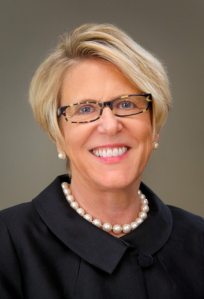
VEDA CEO Jo Bradley said Wednesday that agricultural lending dropped slightly last year as low milk prices continue to depress the dairy market, which deterred dairy farmers from borrowing money to expand.
“We’re in a four-year lull” when it comes to dairy prices, said Alyson Eastman, Vermont’s deputy secretary of agriculture. “We’ve recently seen negotiations on trade agreements, and it’ll take time to see how that affects us, assuming how Congress and everybody is in agreement. We need to be responding in any manner we can to provide assistance.”
To help dairy farmers during the downturn, VEDA started its Farm Operating Loan Program last year to provide lower-cost loans to farmers for operating costs like grain, seed, and machine equipment loans, and to pay down debt. The payment terms for the program — which has been used in other years — were flexible, in some cases requiring interest-only payments for the first six months, Bradley said. VEDA has loaned out $15 million this year under the program, she said.
”The state gave us some money to buy down that interest rate, so we were able to do it at a much lower interest rate than our normal agricultural loan,” Bradley said.
Like most other Vermont lenders, such as banks and credit unions, VEDA is waiting to see what happens with federal law before lending to businesses that sell products that use cannabidiol, a product known as CBD that is extracted from marijuana or hemp.

The authority has been approached by Vermont farmers that want to grow hemp, and Bradley said it would be a good revenue source for dairy farmers while milk prices remain low.
Both the U.S. House and Senate versions of the federal Farm Bill contain provisions that would remove hemp from the federal list of controlled substances.
“Because some of our lending comes from the federal government, we have to wait until the Farm Bill passes,” Bradley said.
State law in Vermont requires hemp producers to be registered with the state Agency of Agriculture, and Eastman estimated 400 hemp farmers in Vermont have registered.
“Some folks have been growing hemp for years,” she said. She added that agency officials recently toured a hemp processing facility in Brattleboro and have started work on a hemp program with the goal of creating a strong brand identity for high-quality Vermont hemp.