


[V]ermont needs up to 35 additional adult psychiatric beds to meet current and future needs, a new study says.
The study – produced by the University of Vermont Health Network as part of a state-ordered mental health project – draws its conclusions mainly from the worsening wait times of psychiatric patients in hospital emergency rooms around the state.
Even building an additional 26 beds just to meet current demand could have a major impact by drastically cutting the amount of time mental health patients are stuck in emergency settings, the study says.
“Ninety-eight percent of those patients … would no longer wait for an inpatient bed,” the report says. “Total (emergency department) patient hours for patients with a psychiatric primary diagnosis would be reduced by 55 percent statewide.”

It’s no secret that Vermont’s mental health system is overtaxed. While the state has rebuilt treatment infrastructure that was lost in 2011 due to Tropical Storm Irene, officials acknowledge that the state is not meeting the increasingly acute psychiatric needs of its population.
One clear indicator of the crisis is a worsening backup of mental health patients in hospital emergency departments. The Vermont Association of Hospitals and Health Systems has produced statistics showing that the number of days psychiatric patients spent in emergency rooms increased by 28.6 percent from 2015 to 2016 and by another 29.7 percent from 2016 to 2017.
The new UVM Health Network report says emergency departments “are functioning as the primary front door” to the state’s inpatient adult psychiatric units, which are spread around six facilities statewide and are “effectively at 100 percent capacity.”
All of the state’s hospitals “are impacted by the growth in need for higher acuity mental health care,” the UVM report says. “Even at our smaller hospitals, there are consistently one or more patients with a primary mental health diagnosis present” in the emergency room.
Hospitals have been retrofitting their emergency departments to accommodate mental health patients, and they’ve been adding mental health staff in emergency settings. But it seems clear that one way to alleviate the pressure is to add inpatient mental health beds.
Earlier this year, Green Mountain Care Board members came up with one way to make that happen: In dealing with fiscal 2017 budget overages at University of Vermont Medical Center, board members ordered hospital administrators to set aside $21 million to “measurably increase inpatient mental health capacity in Vermont.”
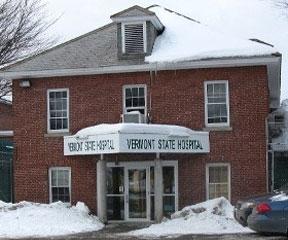
That’s why UVM Health Network administrators are considering building a new psychiatric facility on the Berlin campus of Central Vermont Medical Center, which is a network affiliate. That could set off a chain reaction of mental health system changes, including the possible conversion of the state-run Vermont Psychiatric Care Hospital to a lower-intensity secure residential facility.
But before any of that happens, the health network is trying to quantify the state’s mental health needs. The new report submitted to the Green Mountain Care Board attempts to do that by using statewide hospital data as well as UVM Health Network statistics.
While the study considered adult inpatient psychiatric admissions from medical/surgical units and directly from the community, administrators said the vast majority of such admissions are happening through emergency rooms.
So the report focuses on two types of psychiatric patients in that setting – those who eventually were transferred from an emergency room to an inpatient mental health bed, and those who were treated in and discharged from an emergency room because an inpatient bed did not become available.
The study found that five to nine additional adult psychiatric beds would be necessary for the first group in order to ensure that “a bed was available for each of these patients at the right time.” Additionally, the study found that 18 to 20 beds would be necessary to address the “unmet need” of those psychiatric patients who never found a spot in inpatient treatment.
So the total number of beds required to meet current mental health needs in hospital emergency rooms ranges between 23 and 29.

The study found that a mental health project with bed numbers in that range would have a positive effect on hospitals statewide. It also says such a project could result in a 64 percent reduction in emergency room hours for mental health patients at UVM Medical Center, the state’s largest hospital by far.
For UVM Medical Center and Central Vermont Medical Center combined, “we estimate that the additional 26 (mental health) beds in the system would have impacted 1,300 patients and resulted in a reduction of 53,000 (emergency department) patient hours over the 12-month model period,” the study says.
The study also looks forward, projecting that an additional six adult psychiatric beds would cover the forecasted growth in mental health needs over the next decade. The final tally to meet current and forecasted needs is 29 to 35 beds.

The study does not take into account a dozen additional mental health beds that are in the works at the Brattleboro Retreat. It also doesn’t consider what might happen if the state’s treatment capacity decreases due to the potential loss of federal funding for larger, standalone mental health facilities.
Vermont Mental Health Commissioner Melissa Bailey noted the importance of both of those issues in discussions of the state’s psychiatric treatment needs. She also said UVM Health Network, in making its own mental health plans, still has “a lot of work to do with a diverse group of stakeholders.”
Bailey said she has seen the health network’s new report, “and as an initial proposal, it seems reasonable and a good place to start the discussion.”
It’s clear that the health network is just beginning its planning process. The network’s report said community meetings will continue, and administrators said they are still “in the process of identifying the type and level of beds that will occupy the new bed capacity” at Central Vermont Medical Center.
“We remain committed to this exciting and important project and look forward to the progress that we will make this coming quarter,” the network’s report to the care board says.
