


[B]ENNINGTON — Senate President Pro Tem Tim Ashe and Sen. Dick Sears have received a big “thank you” from United Counseling Service staff members for working to increase state funding for mental health workers.
Ashe, D/P-Chittenden, was in Bennington Wednesday on his second stop of a listening tour to gauge the legislative needs of mental health service providers around the state. He and Sears, a Bennington Democrat, met with about 30 UCS employees gathered at the organization’s headquarters building.
Executive Director Lorna Mattern and Julie Held, senior human resources specialist at UCS, said additional workforce investment funding to allow a $14 minimum wage has significantly eased the ongoing struggle to hire and retain employees — especially at the entry level.
“It has had a tremendous impact on my job here,” Held said. “We were able to immediately fill our entry level positions.”
All of the UCS group home positions were filled within a few weeks, she said, “which is unheard of,” and hasn’t happened in many years.
Other effects of higher starting wages for workers in sometimes difficult care situations was that some employees no longer had to keep a second job, Ashe was told, and more new employees are coming to the job with bachelor’s degrees.
Sears, who for many years operated a group home and other programs for troubled teens in the Bennington area, said that organization “suffered over the years, along with UCS, with low pay.”
Retention was difficult, he said, as employees would often move on to higher-paying jobs with the state or elsewhere.
There now is a strong focus in the Senate “to stabilize the workforce” in the mental health/substance abuse field, Ashe said, adding that service providers outside of a hospital or education setting are often harder hit by staff turnover because they lack the funding sources that a hospital or school system can tap.
As a result, Ashe and the UCS officials said, employees are continually finding higher-paying yet similar jobs in a hospital, state agency or school.
In the Senate, he said, “there was a real group recognition that we had to do something about this problem.”
Ashe said Sears, Sen. Brian Campion, D-Bennington, and many others in the Legislature were struck by the fact mental health workers were being paid around $11 an hour to take on “this challenging and critical work.”
The increases over the past two years, Ashe said, “are a reflection that we value the work that you are doing.”
Held said the pay of 133 UCS employees was affected by the additional funding, and the average pay raise was 13.64 percent.
“That was absolutely critical,” she said, especially given Bennington County’s proximity to larger employment centers in Rutland, Albany, New York, and Pittsfield, Massachusetts.
ER treatment
The UCS employees also discussed the many people in mental health crisis who are kept for extended periods in hospital emergency departments while awaiting a housing placement or suitable services in the community.
“ERs have essentially become a mental health unit,” Ashe said, adding that registered nurses once thought of a position there as their top choice, but today many hospitals have to hire for those jobs from outside the area.
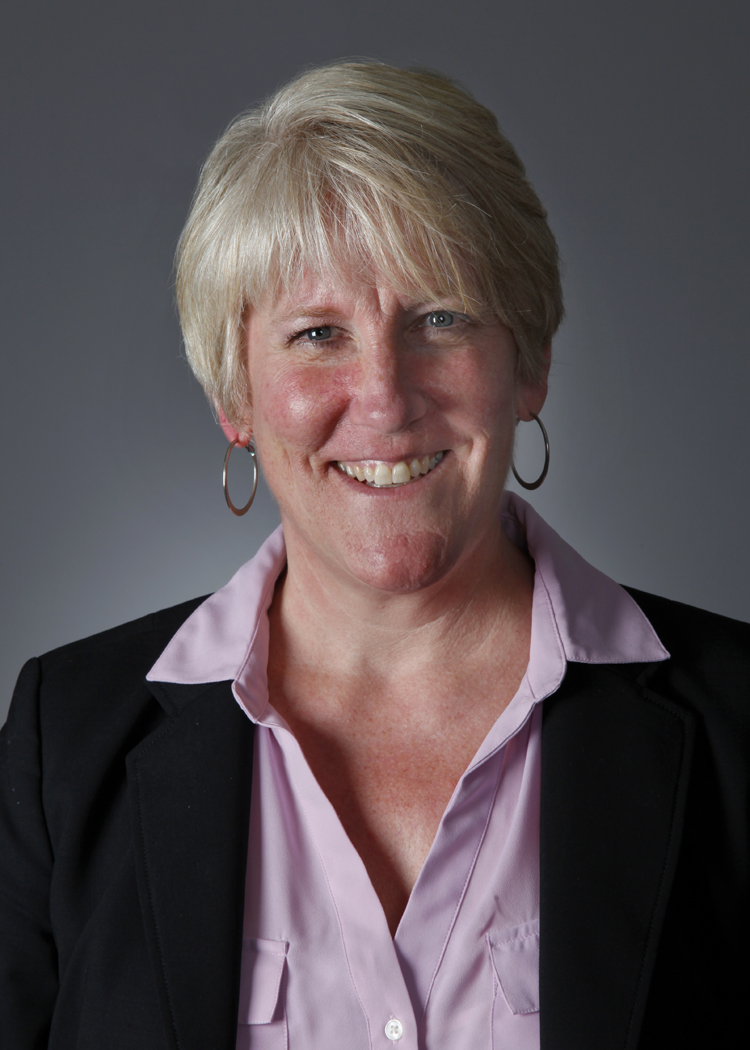
Mattern described a UCS program in cooperation with Southwestern Vermont Medical Center in which psychiatric evaluations and consultations with hospital medical staff are provided in the ER and other hospital units.
Ashe said there also is a recognition in the Legislature that when cooperative initiatives save health care dollars — such as by reducing the number of visits to the ER — the outside organizations that also work to reduce costs don’t benefit while a hospital might.
Changes will require difficult decisions over time concerning the state’s health care system to shift funding toward community care settings and away from hospitals to provide more of a balance, Ashe said.
However, Ashe assured the employees that mental health issues “are now a mainstream conversation” in Montpelier.
Concerning courses offered at state colleges for clinical care certifications, the employees said no “pipeline” programs are currently being created, such as those designed to increase the number of registered nurses in Vermont.
“I think we will have to take a look at that going forward,” Ashe said.
UCS serves about 3,000 clients from early childhood to seniors in a variety of settings around Bennington County and employs more than 300, Mattern said.
