

[T]he new State Ethics Commission has hired its first executive director.
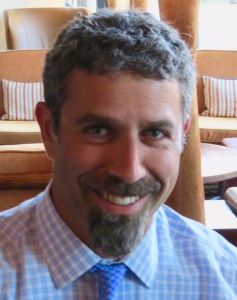
Brian Leven, a Stowe attorney, was selected from among 12 candidates, according to commission Chair Madeline Motta.
Leven’s background includes a dozen years as an attorney with the Vermont Legislative Council. He also served as a deputy secretary of state until 2015. After that, he worked for a law firm in Stowe and then in solo practice.
The State Ethics Commission was created in the last legislative session. Part of its purpose is to take in complaints about behavior by local and state government officials and refer the complaints, if necessary, to the appropriate state or law enforcement agency.
The commission has no investigatory or enforcement powers. It will report to the Legislature yearly on the number and nature of the complaints.
“I believe that an entity such as the Ethics Commission serves the people in a way that is useful and maintains the trust in elected officials,” Leven said in an interview. He called the commission, which has been criticized as being too weak, “a good first step.”
“Certainly as we move forward, we’ll need to work with the Legislature and add those features that will give it some teeth,” Leven said, adding it was important for the commission to be more than “a filing cabinet for financial disclosures.”
The law requires candidates for the Vermont House and Senate and their spouses or domestic partners to disclose sources of income, company ownership interests and contracts with the state. Candidates for statewide office are also required to release their personal income tax returns.
The legislation that created the commission also lays out requirements for top administration officials and lawmakers, including a prohibition on both to serve as a lobbyist for one year after leaving their position or office. There are also prohibitions on contributions from people holding certain state contracts, to avoid “pay to play” concerns.
Leven said much of his work at the secretary of state’s office involved taking questions or complaints about government officials. He also helped Secretary of State Jim Condos on his push for transparency in government. Part of the job of the commission will be to develop an ethics code of conduct.
Condos praised Leven’s selection to the post. “Brian was instrumental in assisting me with the creation of the Transparency Tour and answering hundreds of phone calls and emails around municipal issues — including the open meeting law and Public Records Act,” Condos said.
Motta said Leven’s selection was unanimous.
In a statement, the commission highlighted Leven’s “in-depth understanding of state government and the Legislature” as key to his selection.
Leven said one of his priorities will be getting the word out that the commission exists.
“For the most part, it’s still unknown except by people who follow the Legislature. People need to know there’s an entity out there where people can go” and file complaints, he said.
