


[B]URLINGTON — The University of Vermont Medical Center has settled with the U.S. attorney for Vermont over allegations the hospital failed to communicate effectively with deaf patients, violating the Americans With Disabilities Act.
The settlement follows multiple complaints on behalf of four deaf patients that Vermont Legal Aid had filed with the U.S. Department of Justice or the Vermont Human Rights Commission since 2010.
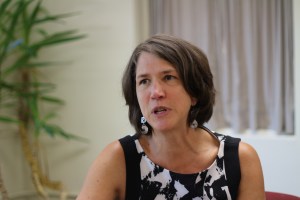
“It was years of not getting traction before we finally got the hospital to change its policies,” said Barbara Prine, an attorney with Vermont Legal Aid’s Disability Law Project.
Patients who filed complaints said they waited long periods for such a device to arrive or while nurses or doctors struggled to get the devices to work. Sometimes the devices functioned poorly.
In one of the cases covered by the settlement, a heart attack patient in 2015 requested an in-person interpreter, as did the woman’s son, but ultimately she spent only 22 minutes signing with a remote interpreter during a three-day hospital stay.
After a complaint from Vermont Legal Aid, the state Human Rights Commission found the doctor who performed a procedure on the woman could not verify that the woman had given her informed consent.
The settlement will now require the hospital to improve its policies for treating deaf patients by training all staff on how to provide accommodations; setting standards for working with in-person and remote interpretation; instituting a grievance procedure for complaints; and designating a program coordinator to ensure 24-7 access to timely interpretation services.
For the next 2½ years, the medical center will be required to document interactions with deaf patients and submit regular reports to the Human Rights Commission to ensure compliance.
The two patients who were the subject of the Justice Department inquiry will receive compensation from the hospital, which must also pay Vermont Legal Aid’s expenses for bringing the complaints to the federal government.
“Being able to communicate effectively with medical providers is fundamental to meaningfully accessing health care,” said U.S. Attorney Christina Nolan in a statement. “This resolution agreement demonstrates our office’s commitment to protecting the civil rights of all Vermonters and visitors to our state, including those who are deaf or hard of hearing.”
The hospital said it’s taking the necessary steps to improve services for deaf patients and will continue to work with patients, their families and advisers to ensure compliance with the settlement.
“We strive to provide all of our patients with the highest quality of care, but unfortunately we did not meet that goal in these cases,” said Eileen Whalen, UVM Medical Center president and chief operating officer, in a statement. “We have taken many steps to strengthen our interpreter services including hiring an interpreter services coordinator, educating staff on the resources we have and how to use them, and upgrading our remote interpretation technology.”

