

[R]are tri-partisan fiscal harmony continued under the golden dome Wednesday.
All 30 members of the state Senate voted for a $5.83 billion state budget for fiscal year 2018.
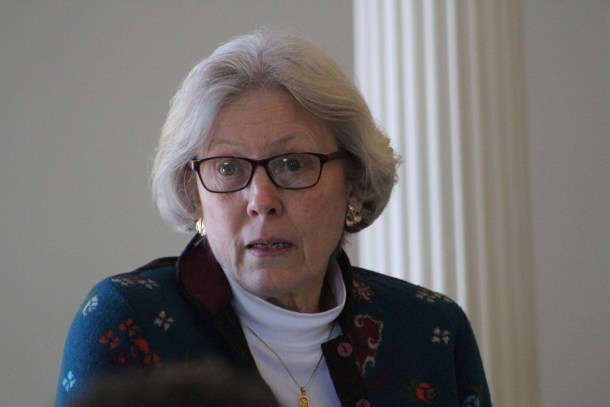
The unanimous vote came as a surprise to Sen. Jane Kitchel, D-Caledonia, who chairs the Senate Appropriations Committee.
“I didn’t really have any idea how people would vote,” Kitchel said moments after the bill won approval. She was uncertain how other lawmakers would feel about a proposal to shift funding for teachers retirement into the education fund.
“We felt there were acute areas that had to be dealt with,” she said.
The miscellaneous tax bill also won unanimous support in the Senate Wednesday. The legislation brings in about $5 million in revenue by increasing compliance with current law without raising any new taxes. The Senate tagged economic development provisions to the legislation.
However, the clock may soon run out on the upper chamber’s budgetary unity. A bill key to setting property tax rates, scheduled to come up for a vote in the Senate on Thursday, is likely to be considerably more contentious.
The Senate’s version of the budget totals $2.48 billion in all state funding, growth of less than 1 percent above the previous year’s state spending. The Big Bill is about $14.5 million higher than the House-passed budget.
Including federal and all other funding sources, state spending under the Senate’s proposal would total $5.83 billion — an increase of 1.3 percent over fiscal 2017.
Kitchel walked through the key points of the budget in an hour-long informal session with the members of the Senate Wednesday morning.
The Senate budget sets aside $9.8 million to boost salaries for workers in local mental health care agencies. Kitchel said this is part of a multi-year plan to attempt to shore up the state’s mental health system.
The latest version of the budget also gives $4 million to the state colleges, which Kitchel said are in “dire financial straits.”
The Senate also drew on about $2 million from a settlement in a lawsuit with Volkswagen, which will go to purchasing police body cameras.
The Senate version of the bill also directs the state to substantially reorganize or potentially shut down several programs, including Vermont Life magazine, the state’s EB-5 Regional Center, and Woodside Juvenile Rehabilitation Facility.
Kitchel explained some of the thinking behind a decision the committee made to shift an annual contribution to a retirement fund for currently employed teachers from the general fund to the education fund.
Though some lawmakers raised concerns about putting additional pressures on property taxes, the proposal did not come up as a point of debate on the floor before the vote on the bill.
Senate Minority Leader Dustin Degree, R-Franklin, said that members of the Republican caucus felt comfortable supporting the budget because they believe there is an option to modify the education financing bill with a proposal Gov. Phil Scott has pushed to change how teachers’ health care benefits are negotiated.
“That’s not the fight on the budget. That’s the fight on the taxes,” Degree said.
Degree and others say the governor’s proposal would save $26 million and would cover the cost of shifting teachers’ retirement to the education fund without raising property taxes. He brought an amendment based on Scott’s plan to the Senate Finance Committee Tuesday, and the panel may further consider it later this week.
A different state finance fight is on the horizon. Once the budget clears the Senate, lawmakers from both chambers will set about reconciling the differences between the two versions in a conference committee. That process could begin as soon as Friday, which paves the way for adjournment next week.
The House Appropriations Committee began combing through the Senate’s proposed budget Wednesday afternoon.
Rep. Kitty Toll, D-Danville, chair of the panel, said there are considerable differences in the approaches to the budget taken by the House and Senate.
“There’s a big division,” Committee Chair Rep. Kitty Toll, D-Danville, said.
“We made some substantial reductions in our budget that the Senate did not do,” Toll said. The Senate made new investments “that were very attractive,” but that put pressure on the property tax, she said.
Toll, who is Kitchel’s younger sister, secured a near-unanimous floor vote for the more austere House budget proposal last month. She was surprised by the unanimous vote in the Senate because some lawmakers had said that they were concerned about the impact on property taxes, she said.
Rep. Matt Trieber, D-Rockingham, joked that Kitchel “got over a hundred votes more than her sister did.”
