


The governor tied his support for the state budget to adoption of this or a similar method of offsetting any tax increases. But legislative leaders said his proposal came too late in the session.
Scott said the state has a once-in-a-lifetime opportunity to “save up to $26 million a year and slow down what some thought was an unstoppable cost driver without hurting employees.”
Almost every teacher contract in the state is being negotiated this year because the Vermont Education Health Initiative, which administers educators’ benefits, is moving all teachers to new plans that are less expensive to comply with the Affordable Care Act.
So far, seven school boards have settled their contracts. The governor said they would be left alone if his proposal moves forward. Forty school districts are currently negotiating, and 20 have declared an impasse.
Geo Hoeningford, a South Royalton School Board member and chair of the board for the Vermont School Boards Association, said that “board members across the state want the state to do this. … Frankly, most of us are in over our heads when it comes to health care issues.”
The governor’s savings are based on an 80/20 cost split on one of the four new plans VEHI offers, known as the Gold Chip Consumer Directed Health Plan. Teachers could choose another plan but may have to pay more for it.
Jeff Fannon, head of the Vermont NEA, said the governor’s proposal is illegal because it conditions bargaining. “He keeps saying 80/20, dictating to us the terms, so what is left to bargain? Why even go to the table? That isn’t collective bargaining,” Fannon said.
Senate President Pro Tem Tim Ashe, D/P-Chittenden, said it is too late in the session anyway to consider such a complicated plan and the committee that handles labor issues has wrapped up for the year. The Legislature is aiming to adjourn within two weeks.
“It transcends multiple committees that need to take testimony. … It is something that will take considerable time, and I’m not sure a couple days would be sufficient,” Ashe said of Scott’s plan. He added that a lot of ideas won’t pass this year because they were brought up too late.
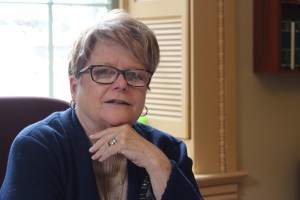
“We invited a representative from the administration in two weeks ago and they declined because they didn’t want a bill that would be shot down,” Cummings said. She added that using a news conference to introduce this language is “disrespectful of the Legislature and its process.”
The governor said the state should adopt his plan for the sake of taxpayers even if it means extending the session. “If it takes a couple more days to negotiate $26 million in savings, let’s do it,” he said.
In an effort to shore up the state colleges and the child care system — both priorities in the governor’s original budget — the Senate Appropriations Committee has proposed moving $7.9 million in teacher retirement costs from the general fund to the education fund, which would drive up property tax rates. Committee members plan to mute the effect for fiscal 2018 by using one-time money, but beyond that the property tax payers would feel the full brunt of the additional cost.
Scott said he won’t sign the budget bill if it raises taxes, unless the Legislature finds a way to pay for it like moving health care negotiations to the state level.
“It goes hand in hand,” he said of his proposal and the Senate bill. “They have to find a way to pay for moving that money into the ed fund. It creates a little bit of a gap, and you have to backfill that gap.”
The increased revenues the state could capture by negotiating teacher health care could help pay for child care and higher education and still provide taxpayers relief, he added.
Ashe said he and the Senate are going to continue to focus on their work. “Our job is to balance all the interests in the state between all the funds and programs and make decisions the Senate thinks are in the best interest of the state,” he said.
School board members and superintendents who made the trek to Montpelier to stand beside the governor urged the Senate and House to consider his proposal.
Board member Adrienne Raymond, from Mill River Unified Union School District in Rutland County, said it makes sense because the teachers union orchestrates a statewide plan when it comes to negotiations, and this would bring balance for volunteer school board members.
Jim Rademacher, from Otter Valley school in the Rutland Northeast Supervisory Union, is on his seventh round negotiating teacher contracts. He said it is hard to find enough volunteers to put together a team. Negotiating four plans with moving parts such as first and last dollar amounts is really complicated, he said.
“What it costs to provide health care across the state is the same. It makes sense to let states take on the responsibility to help school boards and save taxpayers money,” he added.
