


BURLINGTON — Chris Dezotelle sat near the top of Church Street, his voice cracking, choking back tears, as he talked about his battle with prescription drugs and heroin.
Dezotelle first went to jail when he was 16, and he has spent his adult life in and out of prison because of his addiction to opiates.
Court records show he has been charged with theft, disorderly conduct, assault, driving under the influence, possession of stolen property, and more. Crimes he says he committed to feed his addiction or under its fog.
Now, at 33, Dezotelle said he wants to change. Badly.
“I’ll lay down in a mud puddle so an old lady won’t get her shoes wet, but if I’m using heroin, I’m liable to do anything to support my habit,” he said.
“I don’t want to be that person anymore,” he said, his deep-set eyes filling with tears.
Dezotelle has spent nearly a decade on a treadmill that’s taken him back and forth between prison and drug treatment. His first attempt to go sober was in 2008. He’s tried at least a half dozen times since. Dezotelle has three kids and said he would like to find the stability that would allow him to consistently be part of their lives.
Four days before Christmas, Dezotelle was released from prison. Since then, he’s been unable to get into a treatment program. He said he spends most of his day, every day, trying to score Suboxone on the street.
Suboxone is a brand name for buprenorphine, a drug used to treat opiate addiction. It prevents withdrawal symptoms, but it doesn’t give the patient a high.
Dezotelle is on the waiting list for treatment at the Chittenden Clinic in South Burlington. The staff has told him it could be months before a slot opens up. In the past, he said, he’s looked for doctors to help him, but in the last five years he’s come up empty.
“That was consistent. I mean I went through the phone book,” he said.
Previously when Dezotelle couldn’t find Suboxone on the street, he bought heroin to avoid getting sick. He’s adamant that won’t happen this time, but it’s hard to fight the cravings — and nearly impossible when he can’t get Suboxone.
Heroin is much cheaper and more readily available, he said. An 8 milligram dose of Suboxone sells for $20 to $25 on the street. Heroin is $8 to $10 a bag.
Dezotelle estimated he could find five people who would sell him heroin within a one-block radius of where he sat in an empty room at the Safe Recovery needle exchange on Clarke Street, in the city’s Old North End. Finding someone to sell him Suboxone is harder, he said.
TJ Donovan, the Chittenden County state’s attorney, has been active in fighting the opiate epidemic. He said many addicts in the criminal justice system are stuck.
“I don’t think anyone wants to wake up and be a heroin addict,” Donovan said. “They want to get into treatment, but many can’t, so when they’re struggling between getting heroin and getting something on the street they view as medication, they’re trying to pick the lesser of two evils.”
For a period of time in 2014, Dezotelle was living in a halfway house and receiving Suboxone and counseling at the Chittenden Clinic. It was the furthest he’s progressed in recovery, and he was briefly able to be a part of his children’s lives, he said.
That fell apart when Dezotelle failed a home urinalysis test for cocaine at the halfway house, though he said he was not doing coke. When he was booked at the jail the next day, he said, he was given another urinalysis test that came back clean for cocaine but showed the Suboxone he was being prescribed.
That’s proof in his mind that the home urinalysis, which treatment providers say is unreliable, was wrong. How could he have flushed the cocaine from his system, without also flushing out the Suboxone?
Dezotelle said that when the jail’s test came back clean, the halfway house offered him a chance to return, but he felt betrayed and didn’t want to go back.
That version of events could not be verified, but what is known for sure is that Dezotelle went to jail in July 2014 because his lack of housing violated the terms of his parole.
Frustrating cycle
The cycle between prison, the outside and treatment can be complicated.
When Dezotelle was released from prison in January 2015, he found out he no longer had a spot in the clinic. No one had told him he would lose his spot, or that he could reapply from jail.
“The whole time I was in jail, I counted on being back in the clinic. I didn’t think I’d done anything to lose my spot,” he said.
He was in jail for seven months, Department of Corrections records show. When he got out, clinic staff told him he could reapply but that it might be more than a year before a slot opened up for him at the clinic.
Dezotelle said he was so discouraged, he didn’t even ask to be put on the waiting list. In two months, he was back in jail.
“The fact that you’re cycling in and out of jail shouldn’t mean you don’t have access to treatment,” said Tom Dalton, with Safe Recovery, a program that provides addicts clean needles and basic health services and tries to connect them with treatment.
Drug users like Dezotelle who are cycling through treatment and prison aren’t getting the help they need while they are incarcerated and find it difficult to get treatment after they are released, Dalton said.
People receiving medication-assisted treatment are typically not allowed to continue taking Suboxone when they go to prison. That puts them at greater risk of relapse, overdose or reoffense when they’re released, according to treatment providers, social workers and public officials.
“Anytime somebody who is fighting an addiction suffers a relapse in the context of coming out of prison, it’s pretty basic: How are you going to get your drugs?” Donovan said. “That’s what’s driving crime. That’s why people are breaking into homes and businesses.”

Addiction and prison
There is extensive research showing inmates with addiction are at heightened risk of relapse and overdose when they leave prison, according to Shoshana Aronowitz, a nurse practitioner who wrote a master’s thesis on inmates and drug treatment.
Dalton, with Safe Recovery, said the program’s 494th overdose reversal using naloxone, reported earlier this week, was a person who had left prison the day of the overdose. Naloxone is a drug effective at reversing opiate overdoses.
Addicts don’t realize how much their drug tolerance has dropped when they are in prison, Dalton explained. When they use the same amount as they did before, it can be deadly, he said.
Inmates are supposed to receive 30 days of medication-assisted treatment while in prison, according to state officials, and an ongoing pilot program extends that to 90 days at two prisons.
In reality, drug users are frequently denied opiate treatment medication in prison, or they are weaned off the drugs quickly. Rapid detox can be a harrowing experience for addicts, according to Dezotelle and research conducted by Aronowitz, but state officials say the process does not harm inmates’ health.
Inmates who have a sentence longer than the 30-day or 90-day limit have their medication-assisted treatment discontinued or tapered over a two-week period, according to a report prepared for the Legislature by the Health Department in 2013.
Corrections officials say the detox period is two to four weeks. In 2012, 1,560 inmates were put through detoxification protocols, according to the Health Department.
The majority of inmates complete the taper, the report says, “without any negative health outcomes.” When Dezotelle went to jail in July 2014, he described the two-week taper as “torturous.”
“That’s not the first time DOC had done that to me. They’ve detoxed me cold turkey before,” Dezotelle said.
While incarcerated in 2011 at Northeast Regional Correctional Facility in St. Johnsbury, it was several days before he was allowed to see the medical staff, he said. After a urinalysis showed he was on Suboxone, he was denied the medication despite having a doctor’s prescription, he said.
DOC records show Dezotelle was at the St. Johnsbury facility for 10 days in 2011, though the rest of his account could not be confirmed.
However, it does fit a pattern Aronowitz discovered while compiling a 2015 master’s thesis at the University of Vermont College of Nursing, on inmate detox.
The research paper is titled “Screaming Behind a Door” and is based on in-depth interviews with 10 former prisoners who were involuntarily weaned off prescribed opiate treatment medication. All but one of the inmates was incarcerated in Vermont.
Some were told immediately upon entering jail that their treatment would be “abruptly discontinued,” Aronowitz wrote.
“They knew I was on it when I came in and they said it didn’t matter. Kick rocks, pretty much,” one participant told Aronowitz. Participants described becoming violently ill and feeling traumatized by the experience. Many said it was months before they felt normal again.
“Every single day was just dreadful … like I’d get so hot that I’d sweat. … I’d shiver and when I was throwing up I wasn’t throwing up anything. Just foam. Just big, big things of foam and it was nasty,” one person told Aronowitz.
“I felt like it screwed my head up afterwards for awhile. I didn’t feel clear for a long time. … It’s a horrible experience. It’s really — emotionally it’s even harder. … I feel like I’m always like — my body is an open wound emotionally,” said another.
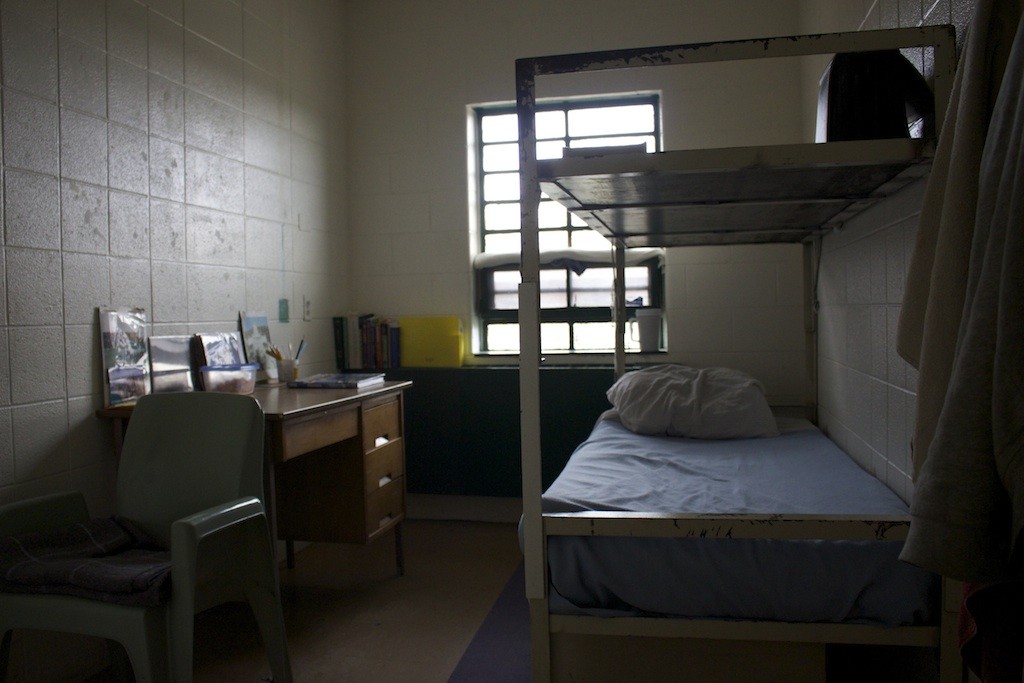
Exploring changes in treatment
Cheryl Elovirta, deputy corrections commissioner, said all detoxification is overseen by medical staff and follows clinical guidelines. She would not say whether the DOC was aware of instances where those guidelines weren’t followed.
The only time a taper might be accelerated is if a patient is caught diverting medication, she said.
The 2013 Health Department report included recommendations from a work group that the length of time prisoners could receive treatment be increased, and that patients be tapered off medication in consultation with a treatment provider in the community.
A pilot program that began in the fall of 2014 extended the window during which inmates could receive treatment drugs to 90 days at Northwestern Regional Correctional Facility in St. Albans and Chittenden Regional Correctional Facility in South Burlington.
That pilot ended in September, but DOC said it continues to make treatment drugs available for 90 days at those two facilities. Dalton said access to medication shouldn’t depend on where an inmate’s being held. Prisoners are frequently transferred around the state, he said, which can mean losing access to treatment drugs.
Changing the limit from 30 days to 90 days won’t make a difference for inmates who are involuntarily tapered, or tapered too quickly, before reaching that limit, Aronowitz said.
A 2014 law required Corrections and the Health Department to provide the Legislature a report on the outcomes of the pilot program in January 2015. That report was never submitted to lawmakers.
“The department has not completed evaluating the data and formulating recommendations,” Elovirta said. She was able to provide only limited information on the outcomes DOC was tracking.
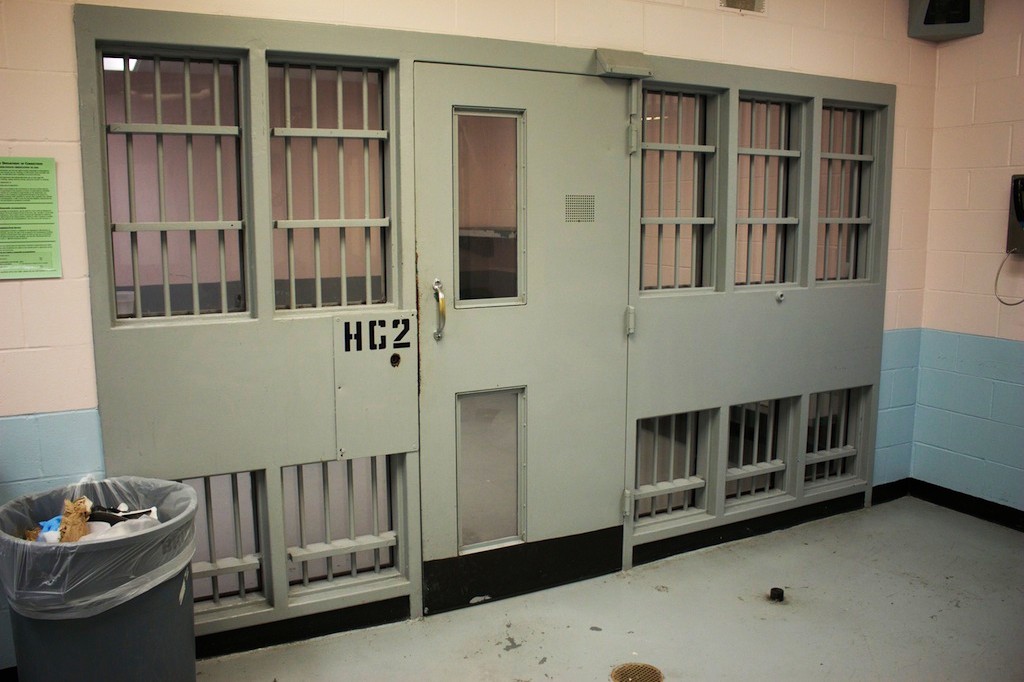
A prison black market
The Corrections Department is loath to allow opioid treatment drugs in prison, largely because of the potential for diversion.
“There is a black market, but it’s a self-created black market,” Dezotelle said. The people looking to buy Suboxone illegally in prison are those who are involuntarily tapered or who enter prison addicted to opiates but were not in treatment, and so lack legal access to it.
People who enter corrections addicted to unprescribed opiates are cut off after three days, Elovirta said.
Illicit Suboxone is frequently smuggled into prison, Dezotelle said, often by people with addiction who aren’t in treatment but fear going into withdrawal. Inmates sometimes extort Suboxone from prisoners undergoing treatment, he said.
Aronowitz found in her research that inmates reported having easy access to not just Suboxone but injection kits and a variety of illicit substances. Elovirta said of the 76 inmates given extended access to treatment drugs as part of the pilot, 59 percent “screened positive for poly-substance use,” meaning they tested positive for another drug.
That’s much higher than the 10 percent of patients at the Chittenden Clinic who test positive for other drugs while in treatment, though patients at the clinic offer a much larger sample.
Participants in Aronowitz’s research study also said they had difficulty accessing counseling and other support services available to people in treatment outside prison.
Despite the challenges presented by diversion, Aronowitz is among a growing number of people advocating for prisoners to have full access to medication-assisted treatment while incarcerated.
That group includes State’s Attorney TJ Donovan. “We can talk about whether (medication-assisted treatment) is right for everybody, but at the end of the day when you go to jail you should be able to continue your treatment,” Donovan said.
Another recommendation of the 2013 Health Department report was providing naloxone to drug-addicted inmates when they are released from prison.
DOC officials said they are “in the process of developing criteria” for who should receive naloxone. The St. Albans and South Burlington prisons are making it available to some people already, but the inmates offered naloxone have refused it to this point, Elovirta said. Still, DOC plans to make it available statewide, she said.
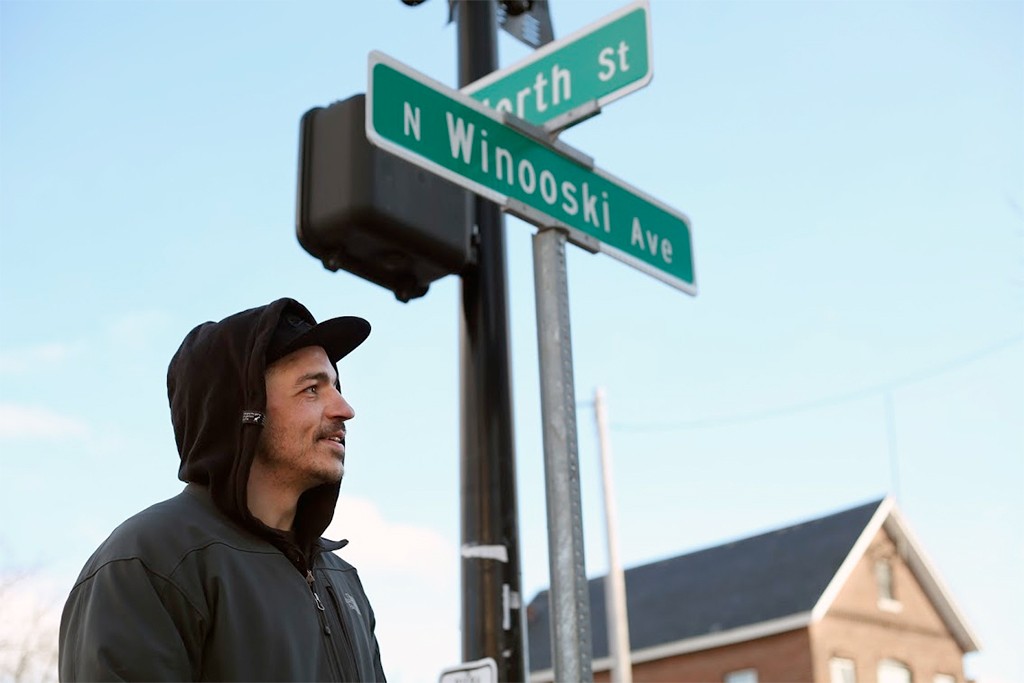
The road ahead
Donovan said inmates also need “bridges” back into treatment upon release. Aronowitz, who has worked in the Chittenden Clinic, and Dalton, who sees many of the same people at the needle exchange, said there aren’t good procedures in place to make sure people coming out of prison get back into treatment.
Dezotelle said not being able to get back into the Chittenden Clinic was a major part of why he went back to jail last March.
“It wasn’t the reason I went back to jail, but it was a crucial factor in the incident that brought me to jail, and the behaviors I was exhibiting leading up to going to jail,” he said.
Dezotelle didn’t want to say what precipitated his return to prison. Court records show his girlfriend, who is the mother of one of his children, filed a police report saying he struck her several times. In an affidavit, the officer who took the report noted bruises on her face.
Knowing he would likely go back to jail as a result, Dezotelle skipped out on furlough. He chose escape because he didn’t want to go through detox in prison again.
Police caught up with him, and he was charged with felony escape from DOC custody. The state dropped a misdemeanor domestic assault charge. Dezotelle returned to prison for 10 months.
He said it was seven months, until October, before he could get his jail caseworker to help him apply for treatment at the Chittenden Clinic.
When he got out in December, he was told it would be months before a spot opens up. The average length a person had been on the waiting list when Dezotelle applied in October was 358 days.
Dezotelle said he calls the clinic regularly and gets the voicemail system. He left a message asking for an update about his position on the waitlist. That was two weeks ago. He hasn’t heard back.
“It’s discouraging when it’s so hard to get into the clinic,” Dezotelle said. “It’s ‘Call back next month,’ and ‘Call back next month.’ Some people might not have that. If I was to relapse, I mean who knows.”
Dezotelle has blacked out from injecting opiates at times in his life. He said he’s never had an overdose that required naloxone. He’s lost friends to overdose, he said, and knows it’s a possibility.
Dezotelle said he knows Suboxone isn’t a cure-all, but in addition to helping him avoid withdrawal, it stops him from craving heroin and quiets the urge to get high.
“I’m praying I can get into this clinic, so I can get my life back together,” he said.
Dezotelle said he would like to get to a place where he doesn’t need Suboxone, but he recognizes that may be way off. Eventually, he said, he might like to work as a substance abuse counselor in order to help people who have had similar experiences to his own.
“I’d like to put back into the community that I’ve taken away from,” he said. For now he’s waiting to get back into treatment.
