

[R]epresentatives of the Vermont Judiciary system and its unionized workers will meet next week in an attempt to settle an unfair labor practices complaint filed by state employees.
The Vermont State Employees’ Association filed the unfair labor practices complaint last month with the Vermont Labor Relations Board on behalf of its judiciary bargaining unit. The union’s judiciary branch bargaining unit represents about 200 state employees in the court system and is separate from the VSEA’s executive branch bargaining unit.
At issue is the union’s request to commence negotiations on a new state contract with the Court Administrator’s Office sooner than they have historically been conducted.
Since the judiciary workers formed the union in 1998, contract negotiations have begun in January or February of the year in which the two-year agreement expires. The current contract expires in June 2016 and the union asked that negotiations begin in July 2015, citing a state statute that allows either side to request that negotiations start “at any time during the year preceding the expiration date of the agreement.”
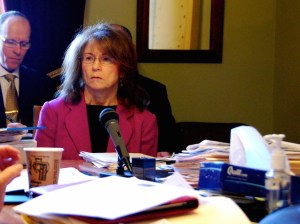
That prompted the union to file the unfair labor practices complaint, which alleges that by refusing to negotiate sooner, the judiciary branch “failed to bargain in good faith.”
The union says it wants to negotiate the next contract earlier so that any contractual changes can be accounted for in the judiciary’s budget request to lawmakers. As it is, they say, the court system hands its budget proposal to the Legislature before it has negotiated the terms of its labor contract.
“The numbers are already determined,” said Margaret Crowley, chair of the VSEA judiciary bargaining unit and a case manager for the Chittenden family court division. “They have a budget parameter and then they try to fit us into that number.”
Crowley said the union also wants to move up negotiations to be in line with the bargaining calendar used by the VSEA’s executive branch unit, which represents the bulk of state employees – about 7,000, including agency fee-payers. Those negotiations begin the summer before the contract expires, she said.
She said bargaining for pay increases and other items is difficult when the budget is already set.
“We end up bargaining against ourselves,” Crowley said, meaning that to increase spending in one area means cutting something else in the budget rather than including the increase in the budget request.
Crowley said the effort is an effort on the part of the judiciary employees to level the playing field with other state employees.
She said that judiciary workers make 20 percent less than their counterparts in the executive branch. For example, she said, docket clerks are classified at grade 15 ($14.11 per hour) while a clerk at the Department of Motor Vehicles is paid at grade 18 ($16.45 per hour).
Judiciary employees are covered by the same health insurance and benefits package as other state workers but do not have a seat at the bargaining table for those benefits, Crowley said.
Gabel, the court administrator, said she is hopeful that a settlement can be reached before a formal VLRB ruling is required.
She said she is disappointed that the union filed an unfair labor practices complaint with the board before first entering a grievance process.
“It did not have to come to this,” Gabel said.
An information session is expected to be held Thursday or Friday, officials said.
