

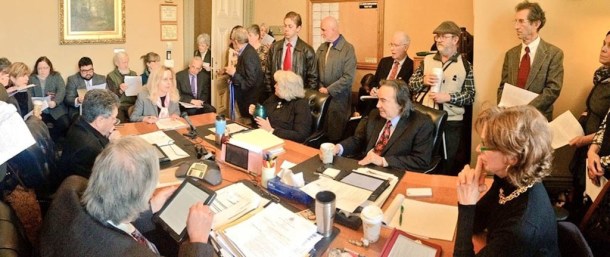
, an opponent of the law (other one is Doc Chen)
The Senate Health and Welfare Committee took testimony Thursday to assess how the law is working, and whether the safeguards should be continued.
Harry Chen, commissioner of Department of Health, said Vermont doctors have written six prescriptions for life-ending medication since the law took effect in 2013. Any accounts of how many people have taken the prescribed drugs to end their life are “anecdotal,” he said.
Linda Waite-Simpson, state director of Compassion & Choices — which advocated for the law’s passage — has said in media accounts that three of those people used the medication to end their lives.
There have been no complaints filed with the Health Department, Chen said, and he believes the law is working well. But based on the limited number of prescriptions in the first two years, it would be prudent to keep safeguards that are scheduled to sunset.
Currently, patients must initiate the conversation, they must be determined capable by a physician or psychologist, make a written and oral request for the medication, and undergo a waiting period before they receive the medication among other provisions meant to ensure people’s choice to end their lives is voluntary.
Opponents of the bill would like to see it repealed because, even with the protections, the prevalence of elder abuse and financial pressures that can influence end of life care make it likely people will be pressured to use the law to end their life, they say.
Lawmakers don’t have to decide whether to extend the safeguards this session, because the sunset won’t happen until July 2016.

