

Former Rep. Michele Kupersmith, D-South Burlington, says her new position as the state’s Workforce Development and Training Coordinator is a natural succession after her years of crafting workforce development legislation.
Kupersmith resigned from her House seat in July to fill the long-vacant spot at the Vermont Department of Labor, effective Aug. 11. Kupersmith focused on workforce development throughout her four terms in the House, from 2005 to 2008 and 2011 to 2014.
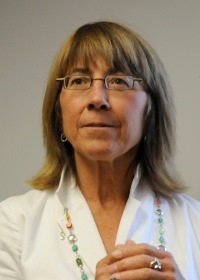
Kupersmith said she decided toward the end of the legislative session not to seek another term, partly for financial reasons.
“And I absolutely was interested in continuing doing the work I have done for many many years,” she said. In addition to time as an attorney and mediator, Kupersmith has worked in employment training positions intermittently since the 1970s.
Democrat Martin Lalonde of South Burlington is running unopposed for her Chittenden 7-1 seat. Lalonde said Kupersmith suggested his candidacy when she decided not to run for a fifth term. Kupersmith is serving as Lalonde’s campaign treasurer, he said.
“I didn’t want to run against Michele,” Lalonde said. “I think she’s been a terrific legislator.”
Labor Commissioner Annie Noonan said Kupersmith, along with all other members of the House and Senate commerce committees, received a draft version of the job description for the position Kupersmith now holds. But Kupersmith was not among the stakeholders Noonan solicited feedback from, Noonan said.
Noonan said the job, previously held by Chip Evans, had been vacant since 2012 due to the uncertainty of federal funding. Though the position is classified as exempt and Noonan could have appointed anyone at her own will, she opted to post the job opening through the state’s Department of Human Resources.
Kupersmith stood out among about 20 applicants, four of whom were interviewed Noonan recalled.
“She has wonderful experience in understanding workforce development best practices (and) the pipeline of moving people successfully into employment,” Noonan said. In her four years as commissioner, she said Kupersmith was the legislator who took workforce development conversations to a deep level and asked the most challenging questions.
Kupersmith follows a long line of state legislators who have moved on to positions within the executive branch, a “revolving door” that often raises eyebrows. Noonan said any suggestion that it was improper for Kupersmith to be selected for the job are unfounded.
“Since I’ve been in this role, I’ve had legislators apply for positions at the Department of Labor, and I have never felt any obligation or pressure to interview or hire them due to their role,” she said. “If you believe in good public service, you hire the best candidate for the position, and Michele was absolutely the best candidate with the best experience and knowledge.”
Kupersmith also dismissed any possibility of conflict of interest. She said her move into workforce development dovetails, rather than contradicts, her work in the House.
“We need people, after their service in the Legislature, doing public service,” Kupersmith said. “They should be taking the expertise they developed, taking their wisdom, and doing public service in other areas, and that’s what I did.”
In the Legislature, Kupersmith said she led the 2007 “Next Generation” workforce development bill to update the state’s training and employment programs. She was heavily involved in a 2013 summer study committee to coordinate job training programs, though the committee’s work ultimately fell apart because a satisfactory inventory of the programs couldn’t be produced.
Kupersmith’s work outside the Legislature most recently included directing a statewide internship program for the Vermont Technology Council, serving as assistant director of career services at the Vermont Law School, and providing career counseling and other services at Vermont HITEC Inc.
Her new charge will be to coordinate workforce efforts within the Department of Labor, including serving as a liaison to the state’s Workforce Investment Board and overseeing some federal and state programs. The state’s WIB has not met since June 12, 2013. Kupersmith is hopeful it will be recomposed and operational within the calendar year. She said her priorities in the position will be dictated by the priorities of the diverse board.
Kupersmith’s federally funded annual salary is $67,392.
