

Pathways Vermont, a housing and social services nonprofit, faces potential bankruptcy when federal grants expire in October unless the organization can become eligible for Medicaid payments and state funding.

There was an outpouring of support for Pathways at a public hearing Monday in which close to 50 people overflowed a conference room at the Montpelier offices of the Department of Mental Health.
The hearing was held as part of Pathways’ application with the department to become designated a “special service agency.” Designated agency status would allow Pathways to bill Medicaid for certain mental health services provided through its Housing First program.
Housing First provides housing and support services to people struggling with chronic homelessness, substance abuse, mental health and criminal justice issues.
Pathways built the program over the past four years using seed grant funding from the federal Substance Abuse and Mental Health Services Agency.
“Part of what’s in the original SAMSHA grants, and what’s in our sustainability plan, was to be able to bill Medicaid for ongoing services,” said Hilary Melton, Pathways’ executive director.
Pathways will lose $800,000 when the grants run out. If the nonprofit is allowed to bill Medicaid, it could continue to provide services, Melton said.
Federal Medicaid spending requires a state match. Paul Dupre, commissioner of the Department of Mental Health, said the state would have to come with $350,000.
Vermont’s designated agencies for mental health services, or community mental health centers, oppose Pathways’ application on the grounds that Pathways doesn’t provide distinct services that they don’t already offer.
But Pathways’ clients and other social service providers told Department of Mental Health officials that the organization offers a unique set of services to Vermonters struggling with chronic homelessness, substance abuse and mental health issues.
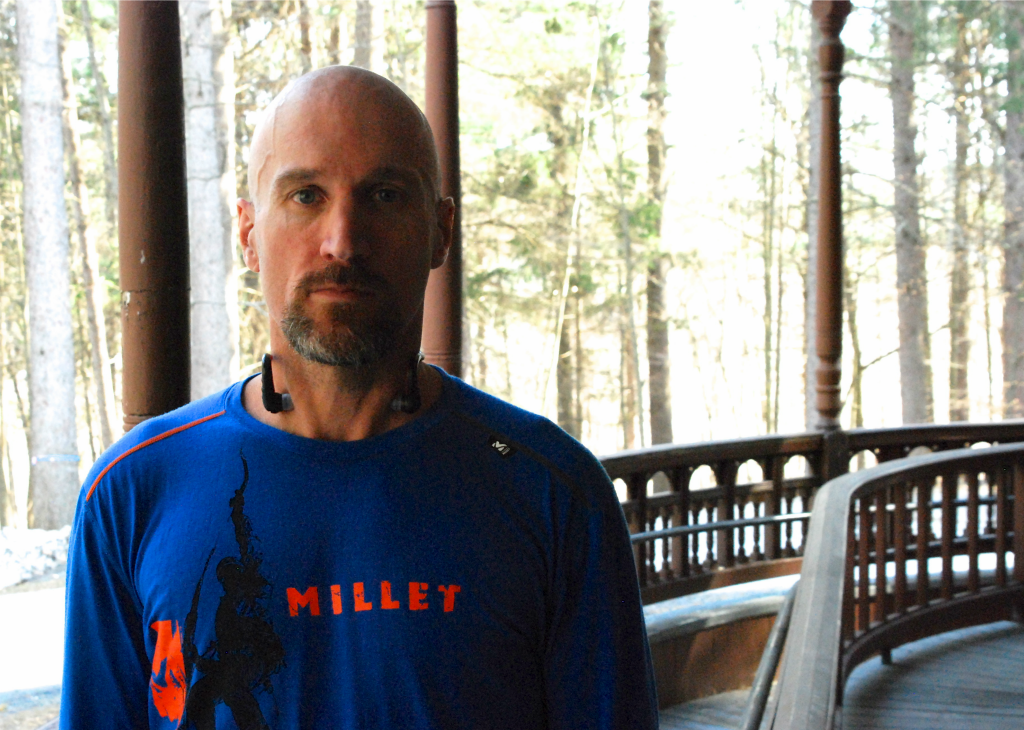
“Pathways’ approach is to meet you where you’re at,” said Rob Connor, 46, a Pathways client whose probation officer helped him connect with the Housing First program.
Housing assistance and support services offered by other mental health agencies he’d interacted previously came with requirements that were hard to meet when he was trying to get back on his feet.
Connor said that many people in need of social services prefer to work with Pathways, because they’ve had negative experiences with the state’s more established mental health agencies, the psychiatric hospitals and community mental health centers.
Close to two dozen other current and former Pathways clients echoed Connor’s sentiment in emotional testimony. They credited the organization for giving them a sense of stability — and in some cases even saving their lives.
“They’re really on that journey with the people they serve,” said Gloria van den Berg, director of Alyssum, a peer-run hospital diversion program.
Van den Berg said Pathways staff understand that homelessness and unemployment are stressors that aggravate mental health and substance abuse problems.
Karen Kurrle, with Washington County Mental Health Services Inc., the region’s designated agency, suggested expanding contracts between Pathways and existing designated agencies as a potential solution.
Dupre thanked witnesses for their testimony and said his department would look for a solution that would maintain the Housing First program, regardless of whether that means approving the application.
A decision must be made quickly, so that if it’s approved, the Legislature can decide whether to include money to fund Pathways in this year’s budget, Dupre said.
Money for the organization is not included in the governor’s proposed budget or the House-passed budget.
It could be added to either the Senate version or the agency could pay for it and seek to be reimbursed as part of next year’s budget adjustment.
