

It is too soon to increase the number of methadone clinics in the state, even though some patients travel an hour or more to get help for heroin and prescription drug addiction, a report scheduled to be discussed at the Statehouse on Thursday says.
More Vermonters than ever are asking for help to battle addiction, according to state statistics, and more addicts want treatment that includes methadone and buprenorphine, two powerful drugs that can help people recover.
Experts say the key to success for recovering addicts is finding help close to home, but with only seven methadone-dispensing clinics in the state, patients often have to travel great distances.
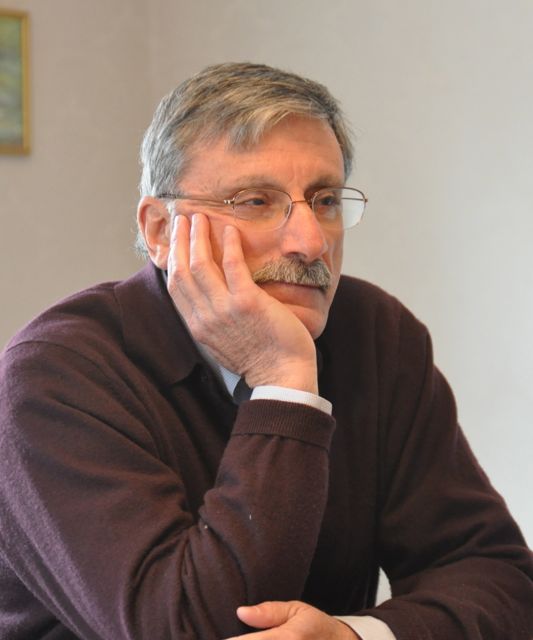
People who have services close to home are more likely to conquer their addictions, said Peter Albert, senior vice president for government relations at the Brattleboro Retreat.
“By having services that are close to home and part of the community it just makes it easier for people and that’s what this is about,” he said.
But it is premature to tackle the regulatory hurdles that would come with creating new satellite clinics to dispense the highly regulated treatment drugs, the Jan. 15 report from the Vermont Department of Health concludes.
“Until the system has some operational history, it will not be possible to determine if the system’s capacity is adequate to meet the needs of Vermonters,” it says.
Senators from the Health and Welfare and Judiciary committees are scheduled to discuss the 14-page document Thursday at 10:30 a.m. with Health Commissioner Harry Chen and Barbara Cimaglio, deputy commissioner of the Alcohol and Drug Abuse Program.
In 2012, about 2,500 Vermonters sought treatment for opiates, up from fewer than 500 in 2000, according to state statistics.
The state last year began rolling out a new system for drug addiction therapy that involves prescribing medication to patients at facilities known as “hubs and spokes.”
The state’s hub-and-spoke system, called Care Alliance for Opioid Addiction, links seven regional methadone-dispensing centers with community doctors who treat less severe addiction cases. Only the centers can dispense methadone.
Both hubs and spokes administer buprenorphine, also known as Suboxone, in less complex cases. Hubs also treat addicts who have mental health conditions.
Federal laws allow the state to set up satellite dosing sites at doctors’ offices or pharmacies but the report details the types of regulatory hurdles that would follow.
Because methadone is addictive, it is highly regulated by the Drug Enforcement Agency and other state and federal agencies.
Methadone and buprenorphine are not provided by written prescription. They are dispensed under a doctor’s order at a clinic.
The medications are ordered, stored, tracked and dispensed in a tightly controlled manner and hubs are highly regulated by federal agents.
The hub-and-spoke system is so new that officials need time to let it work, the report says. Officials should monitor waitlists and geographic patterns before deciding whether to wade through red tape to potentially reach more patients, the report says.
“Because the [hub and spoke] system is new, it is not possible to quantify any regional unmet need,” it says.
At least for now, the report concludes there is no need for new laws or hubs.
The Brattleboro in southern Vermont has a methadone hub.
People travel to Brattleboro from all corners of the state to receive addiction and mental health treatment, which often go hand-in-hand, Albert of the Brattleboro Retreat said.
Albert said he isn’t sure how far most patients travel. Some receive care every day, he said.
There is also a statewide network of recovery centers, which serve people long term, after the most intense portion of treatment is over.
Albert said players in the hub-and-spoke system are still trying to quantify the unmet need.
“I think that what we’re all wondering is ‘What is the correct capacity?’” Albert said.
The report is the result of Act 75, a law passed last year that asked the state to explore ways to increase access to opioid treatment.
It also includes statistics about the type of people seeking treatment for addiction.
In 2011, Vermont was second only to Maine in the per capita rate of admission to treatment for prescription opiates.
In Vermont, the majority of admissions in 2011, 57 percent, were people ages 20 to 29, according to a study by the Substance Abuse and Mental Health Services Administration.
Caseloads at the regional hubs, which operated before receiving that official designation, has also grown in the past year. In 2012, the hubs served 804 clients, according to a December 2013 report. By October 2013, caseloads had grown to 1,482.
Of that, the most patients, 592, were treated at the Chittenden Center, which serves Chittenden, Franklin, Grand Isle and Addison counties, according to state data.
