

In the aftermath of October’s gun violence that killed a teacher at Sparks Middle School in Nevada and last year’s shooting that killed 28 at the Sandy Hook Elementary School in Newtown, Conn., Vermont schools are reacting to violence in schools.
“We all know that we are living in a changing world,” said Gov. Peter Shumlin during a day-long Statewide School Safety Conference on Wednesday. “But the fact of the matter is, we all know as we look with extraordinary horror at what has happened around the country, that the best thing we can do is be prepared.”
Wednesday’s conference at the Sheraton Hotel in Burlington brought together over 300 members working in school crisis teams – comprised of parents, teachers, first responders and specialized service providers – to consider coordinated safety plans for schools that center on the early prevention of violence.
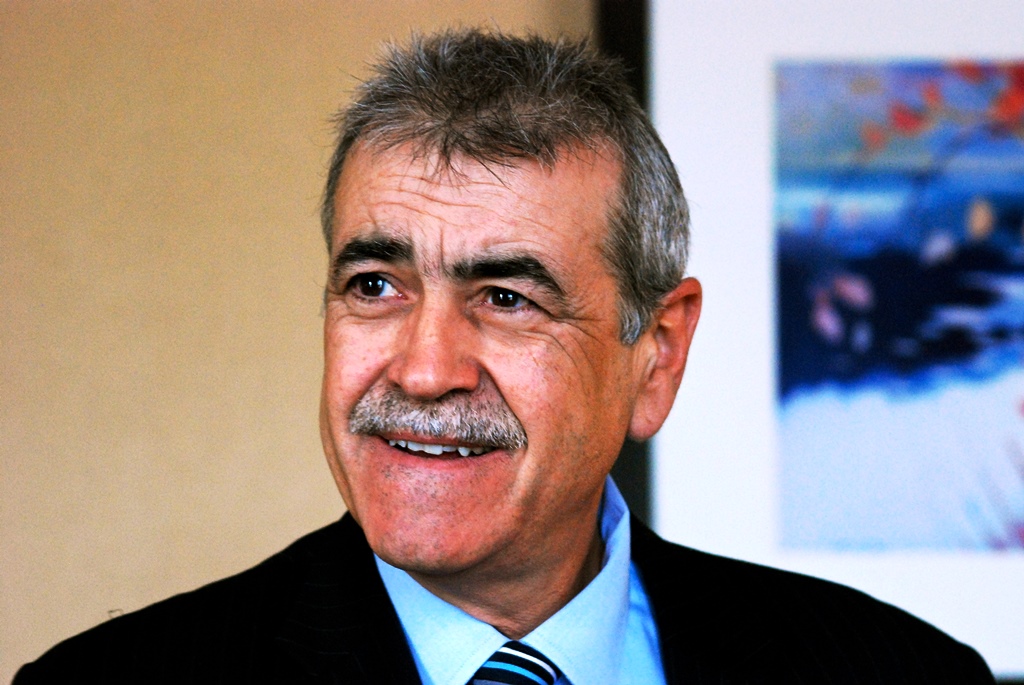
Vermont is not immune to the acts of violence that have alarmed schools across the nation in recent years, says Agency of Education Secretary Armando Vilaseca.
In 2006, a young man, Christopher Williams, opened fire at Essex Elementary School. He shot four people, killing a teacher, Alicia Shanks, after he killed his ex-girlfriend’s mother, Linda Lambesis, at her home.
There are no metal detectors or armed guards in any of Vermont’s schools because Vermont schools are designed to be a welcoming hub for many communities, Vilaseca said.
“How do you balance that welcoming and openness with school safety for kids?” he said.
Vilaseca said schools can partner with police and service providers to help students and families address early symptoms of distress before a student harms others. School resource officers can fill this role.
School resource officers are law enforcement officers who work in Vermont’s schools and pick up on early signals of a child’s distress – anything from signs of violence at home to bullying in school – before setting up a personalized plan to resolve the child’s underlying issues that could lead to acts of violence in school.
These officers are similar to “social workers with a badge,” says retired Cpl. Mark Moody, a former school resource officer with the Montpelier Police Department.
Moody, who is currently a school resource officer liaison for the Vermont Agency of Education and a member of the Vermont School Crisis Planning Team, said these officers connect students and families with a variety of state resources – such as the Department of Mental Health, the Department for Children and Families and the Agency of Human Services.
“Is that police work? Absolutely,” he said. “Because you’re preventing crime.”
This is a holistic approach to dealing with potential acts of violence that aligns with the preservation of Vermont’s traditional learning environment, Moody said.
“All of a sudden we’re treating the root causes instead of always putting Band-Aids on the issues at school,” Moody said. “When we’re talking about creating an environment for learning, it’s holistic.”
He said many children have issues at home, ranging from parents struggling with divorce to violence in the family. These issues can be resolved before they lead to violent behavior, he said.
Currently, there are more than 40 school resource officers working across the state, Moody said.
Many schools have their own crisis response and prevention plans, all of which vary in design and execution, Vilaseca said.
“Schools, I think for the most part, are all over the place on this,” he said.
Bill Waller, a behavior interventionist at Barre Town School, said the school has its own crisis response team, but not a school resource officer.
Many schools across the state have increased security, including Barre, he said. This includes installing cameras, requiring visitors to check in with a receptionist for a nametag and providing teachers and administration with cards that unlock certain doors.
Waller said kids should be engaged in the process of preventing violence in school.
“Kids are smarter than what we give them credit for sometimes,” he said. “They realize what is going on and that they can be part of the solution.”
