

The House Miscellaneous Tax Bill, H.528, which passed out of the House on March 28, imposes the sales tax on a handful of retail items that until now have been exempt from taxation.
Late last week, vocal opposition emerged to one of those items — a sales tax on dietary supplements and vitamins — that the Joint Fiscal Office estimates could raise $3.1 million in annual revenues.
Opponents argue the 6 percent sales tax would discourage the use of products that are used for preventive health care. Advocates from 16 statewide organizations came out against the tax. They say particular segments of the population could be hurt by the assessment, including pregnant women, the elderly and AIDs and HIV patients.
Members of the House Ways and Means Committee were initially loath to extend the sales tax to dietary supplements, but voted for the proposal as part of a package of sales, meals and tobacco taxes that would close this year’s gap between proposed spending and revenues of roughly $20 million.
The tax on supplements and vitamins is part of a set of new extensions of the sales tax the committee introduced as a way to generate revenue this year. Other items on the list exemptions that would be eliminated include: candy, soda, bottled water, vending machine food and clothing purchases of more than $110.
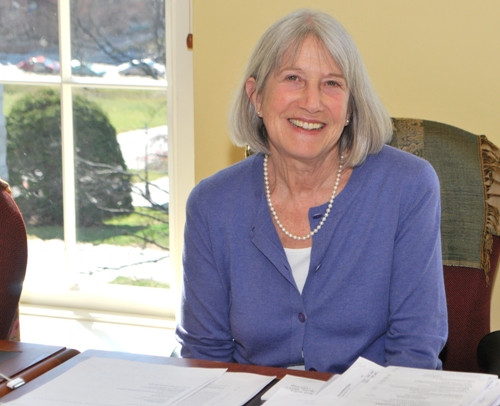
Rep. Janet Ancel, chair of Ways and Means, says one reason to revise sales tax exemptions is the need for immediate income. “Sales taxes come in quickly, while revenue from income taxes would not come in until 2015,” she said.
The items the committee selected were derived from a list from the Streamlined Sales Use and Tax Agreement. Vermont is one of 24 states participating in the national agreement.
“Streamlining-group rules say states can remove sales-tax exemptions for a category of non-foods that includes candy, soft drinks, bottled water and dietary supplements,” Ancel says, “and many states do. H.528 is just saying they aren’t food.”
The market for these products, based on a VTDigger extrapolation from the JFO tax estimate of $3.1 million, is $55 million a year, or about $85 for every man, woman and child in the state.
Dietary supplements are labeled under FDA regulations and may be “a vitamin, mineral, herb or other botanical, amino acid or a dietary substance for use by man to supplement the diet by increasing the total dietary intake; or a concentrate, metabolite, constituent, extract, or a combination of any ingredient mentioned above.” They include everything from multi-vitamins to pro-biotics, fish oil, folate, Metamucil and Airborne.
Ancel, who says she uses the supplement Airborne and is convinced it’s kept her “more or less healthy through the winter flu season,“ sees the tax on supplements as fitting “into our system of taxation in a reasonable way.” She rebuts the objection that sales taxes discourage what opponents called “taking pro-active preventive health-care measures” by noting that “there are many other things we tax that are good for people. Band-Aids are taxed.”
Also currently taxed are “clothing accessories and equipment, protective equipment, sport or recreational equipment” and grooming and hygiene products, both for humans and for animals. And among what some would say are the eccentricities of the current tax code are an exemption for “fur clothing,” downloaded computer software and “food sold through vending machines.”
The fate of the sales tax changes proposed by the House is now in the hands of Senate Finance. Tim Ashe, chair of the committee, says the only likely change to survive in the Senate counterproposal will be a tax on bottled water.
Here’s the list of organizations that oppose the sales tax on supplements:
Vermont Nurse Practitioners Association
March of Dimes, Vermont Chapter
Vermont Association of Naturopathic Physicians
AARP
Vermont Psychological Association
Community of Vermont Elders (COVE)
Planned Parenthood of Northern New England
Vermont Association of Adult Day Services
Vermont Federation of Nurses and Health Professionals
Vermont Mental Health Counselors Association
AIDS Project of Southern Vermont
HIV/HCV Resource Center
Twin States Network
Vermont CARES
Vermont People with AIDS Coalition
Voices for Vermont’s Children
